The Tuareg: People of the Sahara and the Indigo Veil
Camel caravans, men who veil their faces, women who own the family tent, and an alphabet older than most nations. Meet the Tuareg, the people who made the Sahara their home.
Topic
The many peoples and tongues of the continent.
Camel caravans, men who veil their faces, women who own the family tent, and an alphabet older than most nations. Meet the Tuareg, the people who made the Sahara their home.
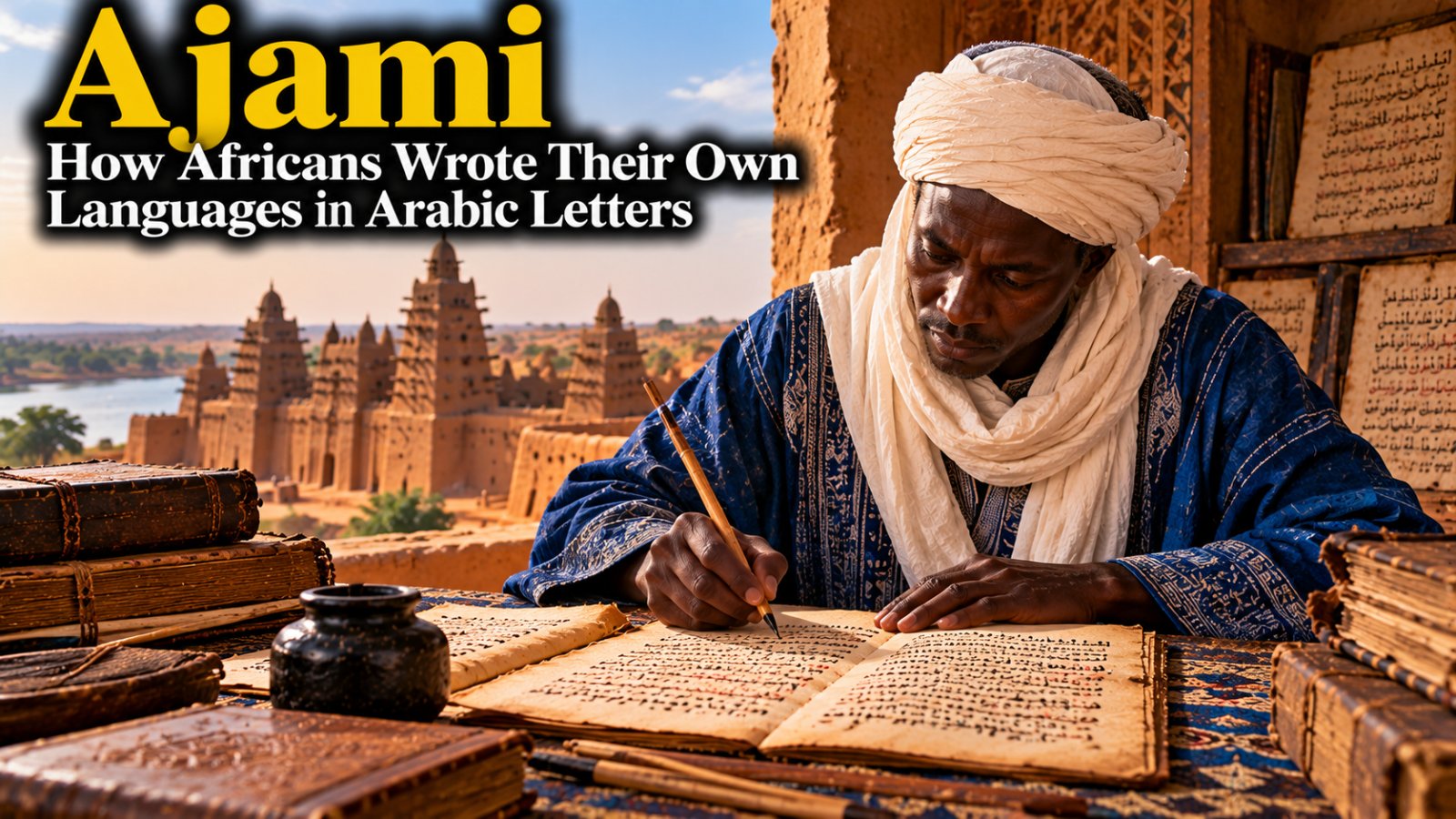
For centuries, people across West and East Africa wrote Hausa, Wolof, Fula and Swahili in an adapted Arabic script called Ajami. Colonial officials barely noticed. Here is the hidden story of Africa's other literacy.
Almost every Rwandan speaks Kinyarwanda, making Rwanda one of the few African countries where a single indigenous language is shared by nearly everyone. Here is its history, its poetry and a few words to begin.
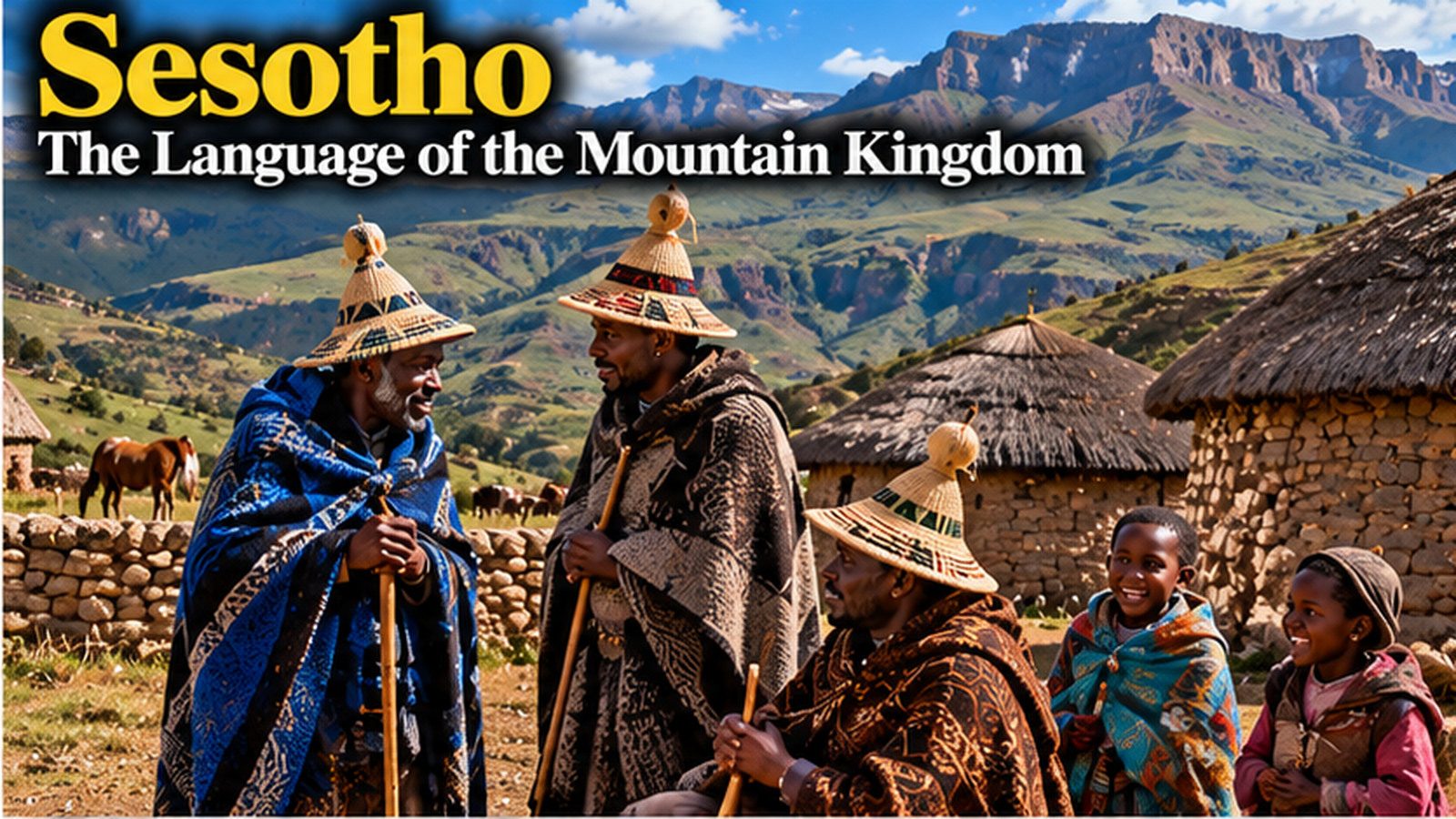
"Khotso, Pula, Nala" — peace, rain, prosperity. Sesotho is the language of Lesotho and of millions of South Africans, with a literature that includes one of Africa's earliest novels.
In the Danakil Depression, where temperatures soar and salt lies like snow, the Afar people herd camels, cut salt by hand and keep a strong tradition of independence.
In northern Tanzania, around a thousand Hadza people still live largely by hunting and gathering. They speak a unique click language and have taught scientists much about human life, but their land is under pressure.
Speakers of Afaan Oromoo, keepers of the Gadaa system and celebrants of the Irreecha thanksgiving, the Oromo are one of Africa's largest peoples. Here is an introduction.
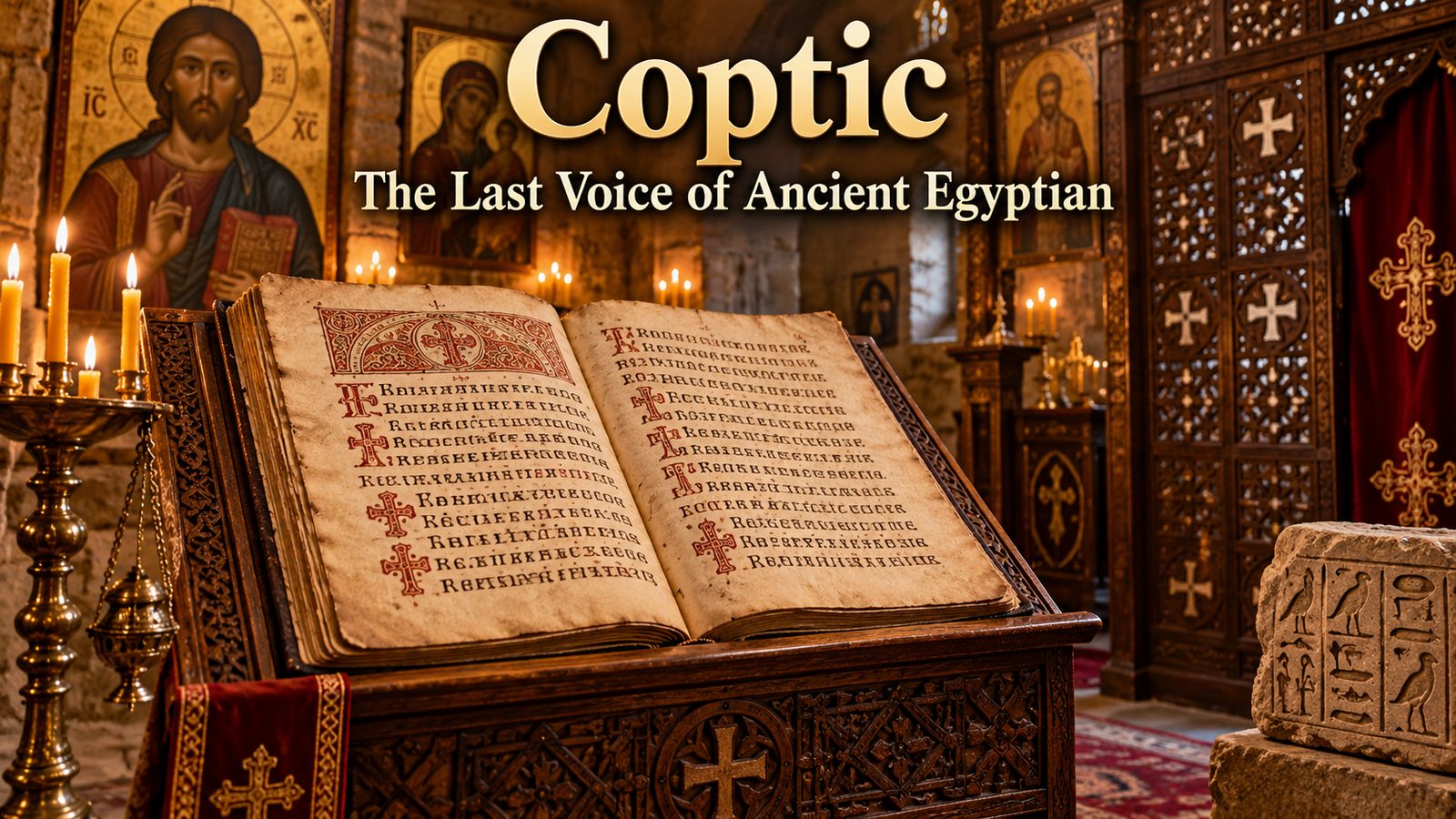
The language of the pharaohs did not simply vanish. Its final stage, Coptic, written in Greek letters, is still chanted in Egyptian churches today, and it helped unlock the secret of hieroglyphs.
Born in a city founded for freed Africans, Krio mixes English words with African grammar and Yoruba spice. It is the shared language of Sierra Leone.
"Akwaaba!" — welcome. Twi, a form of the Akan language, is spoken by millions of Ghanaians and understood by many more. Here is its history, its sounds and its proverbs.
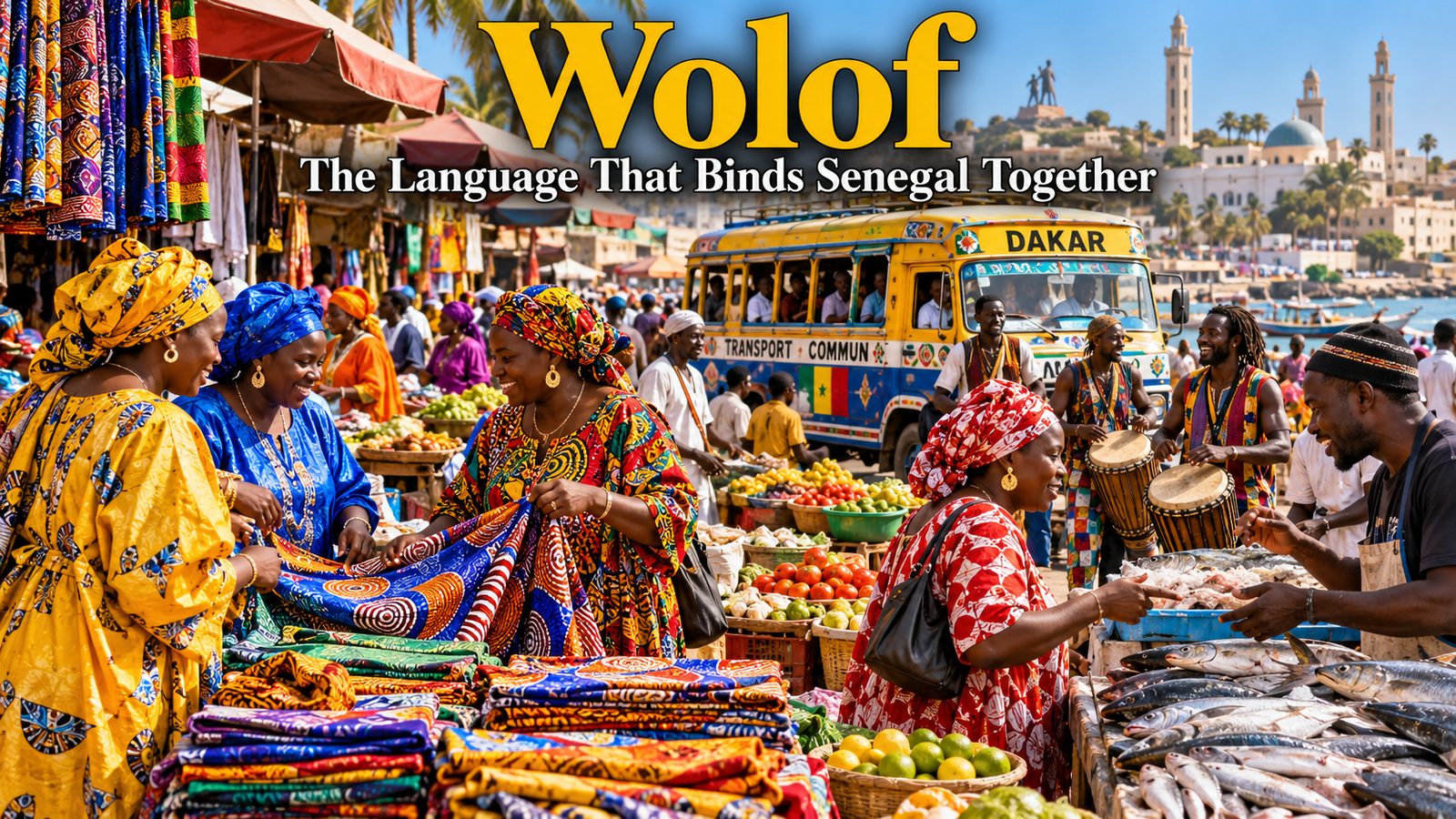
From the markets of Dakar to the wrestling arenas and the sabar drum circles, Wolof is the language most Senegalese share. Here is its history, how it works and a few words to start with.
Born from the trade talk of the Congo River, spread by soldiers and missionaries, and carried across Africa by rumba, Lingala is one of the continent's great lingua francas.
Spoken by the majority of Zimbabweans, Shona is a Bantu language with a rich tradition of proverbs, praise poetry and song. Here is an introduction.
Spoken by tens of millions in southeastern Nigeria, Igbo is rich in proverbs and tones, and has a growing literature. Its speakers are working hard to keep it strong for the next generation.
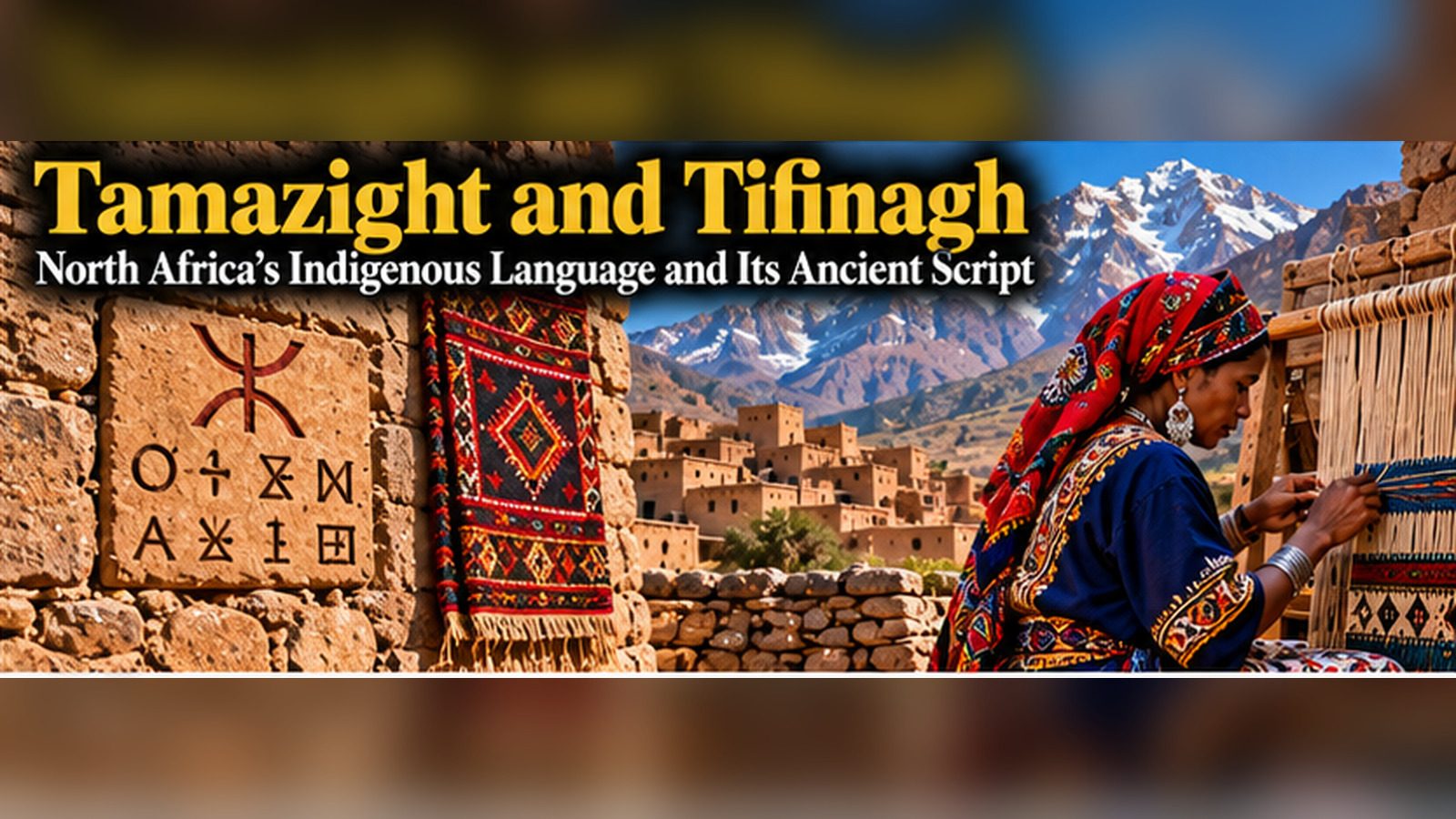
Long before Arabic and French, North Africa spoke Amazigh languages and wrote in Tifinagh. After decades of struggle, both are now official in Morocco and Algeria.
Written in the ancient Ge'ez script and spoken by tens of millions, Amharic is Ethiopia's working language, with a literary tradition famous for poetry that hides a second meaning.
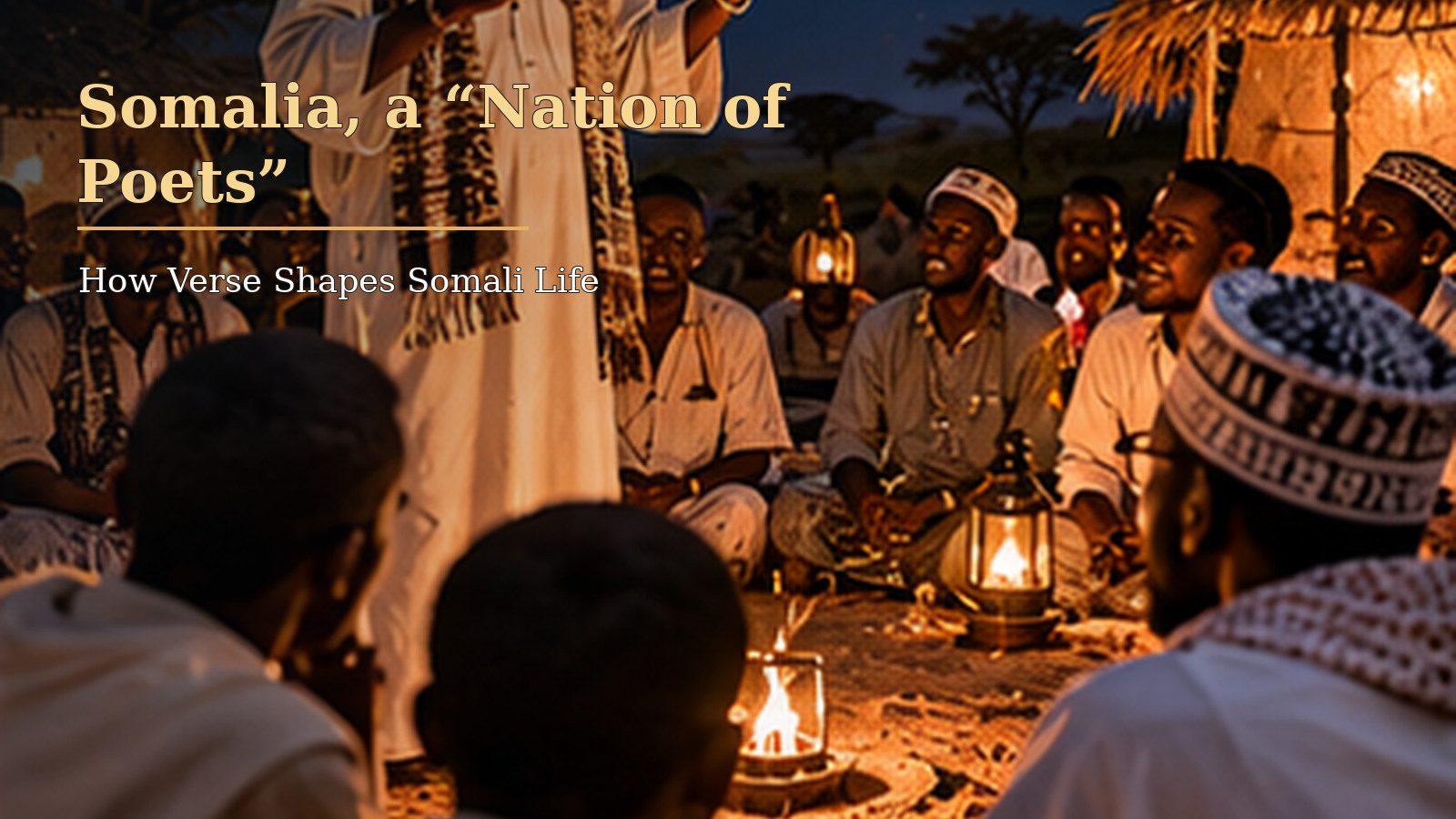
In Somali culture, poetry has been used to court lovers, settle feuds, praise camels, start wars and make peace. Here is why Somalis are often called a nation of poets.
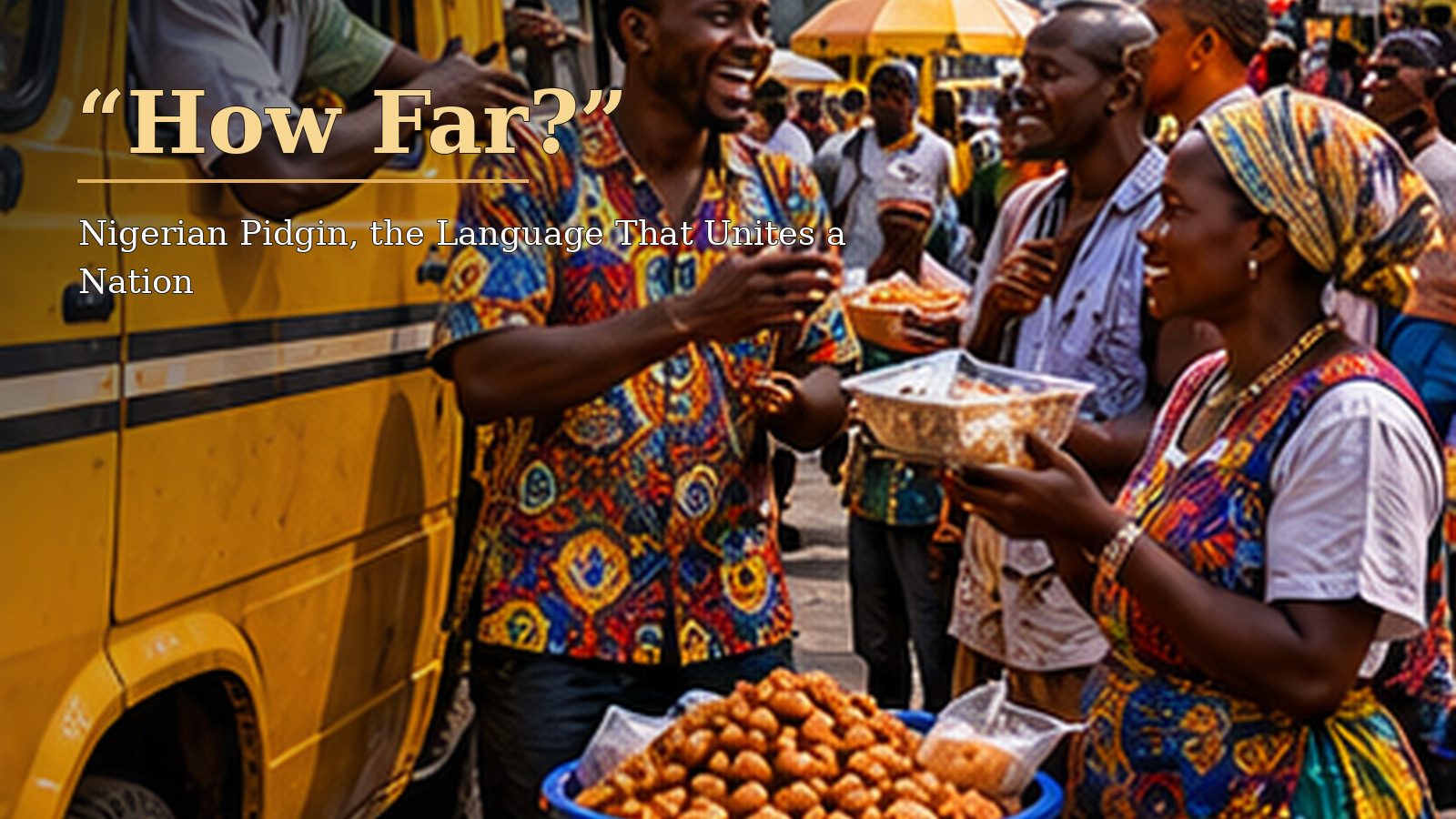
In a country of more than 500 languages, Nigerian Pidgin is the one that almost everyone shares. Once dismissed as "broken English," it is now a language of music, news and pride.
Spread across some 20 countries from Senegal to Sudan, the Fulani are among Africa's most widespread peoples. Here is their history, language and moral code.
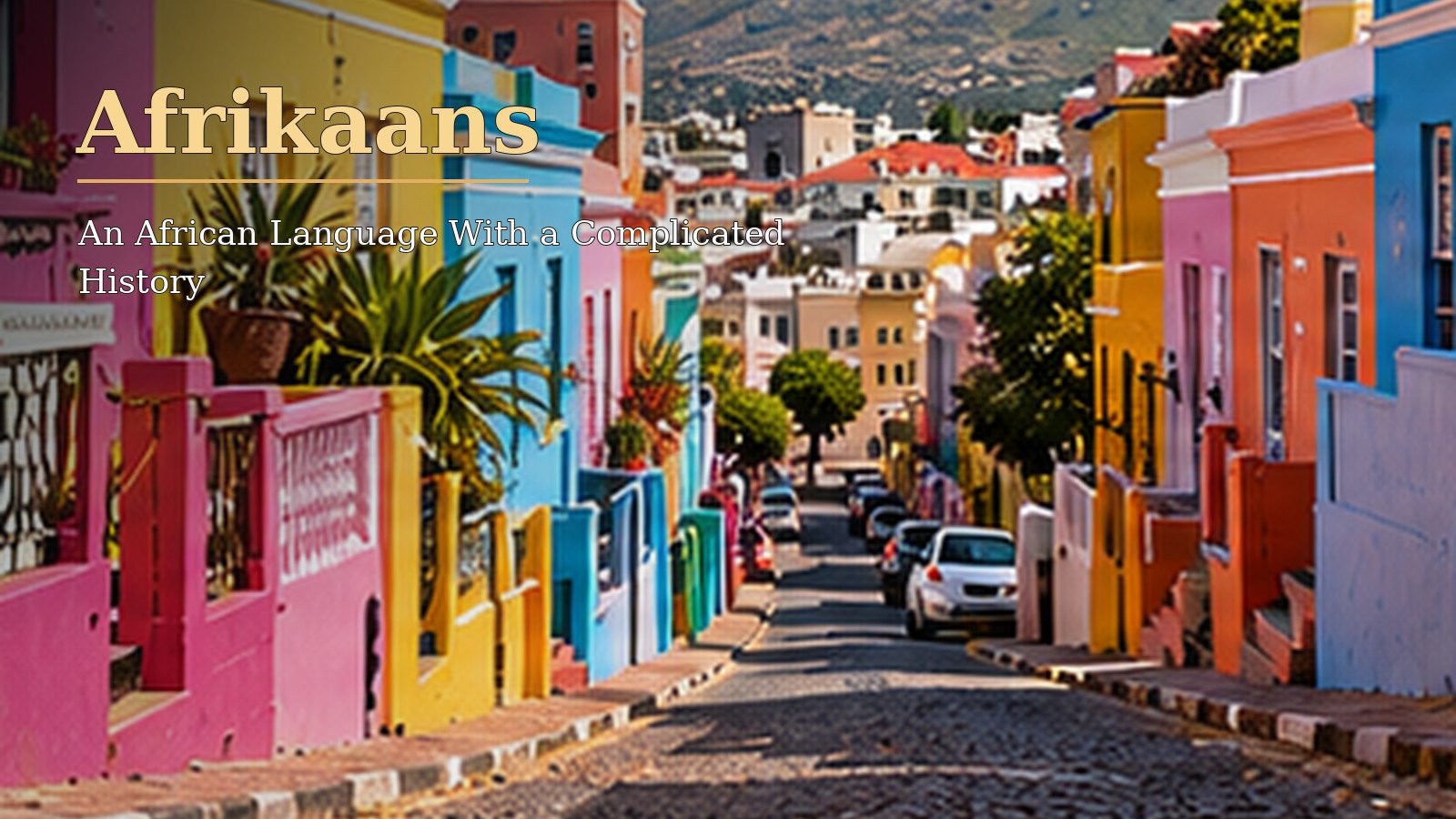
Born from Dutch at the Cape and shaped by enslaved people and Khoekhoe speakers, Afrikaans is both a language of apartheid's rulers and of the people they oppressed.
Spoken by tens of millions in Nigeria, Benin and Togo, and kept alive in Cuba and Brazil, Yoruba is one of Africa's great languages. Here is what makes it special.
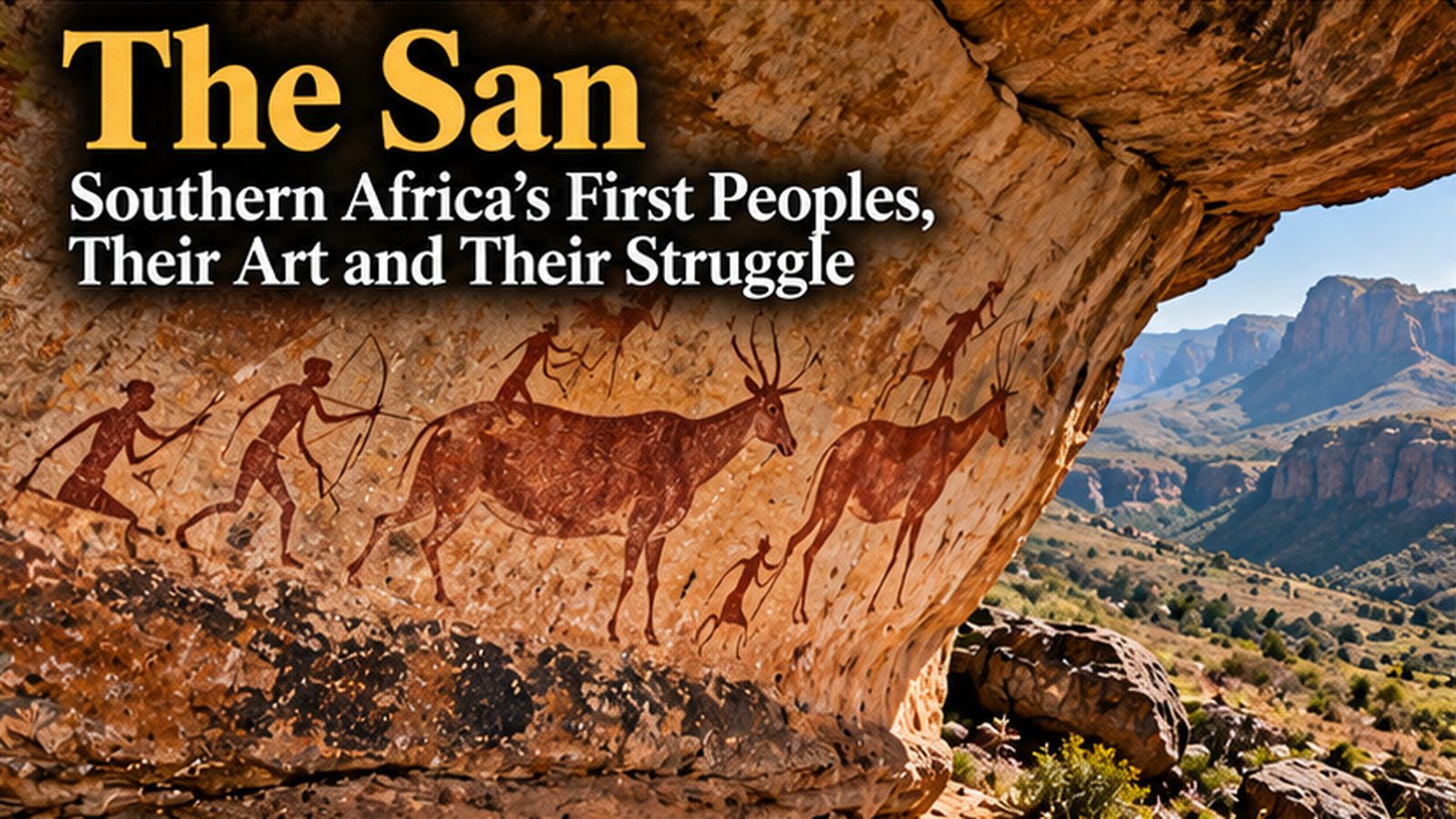
Descendants of some of humanity's oldest lineages, the San of southern Africa left tens of thousands of rock paintings and still fight for their land. Here is their story.
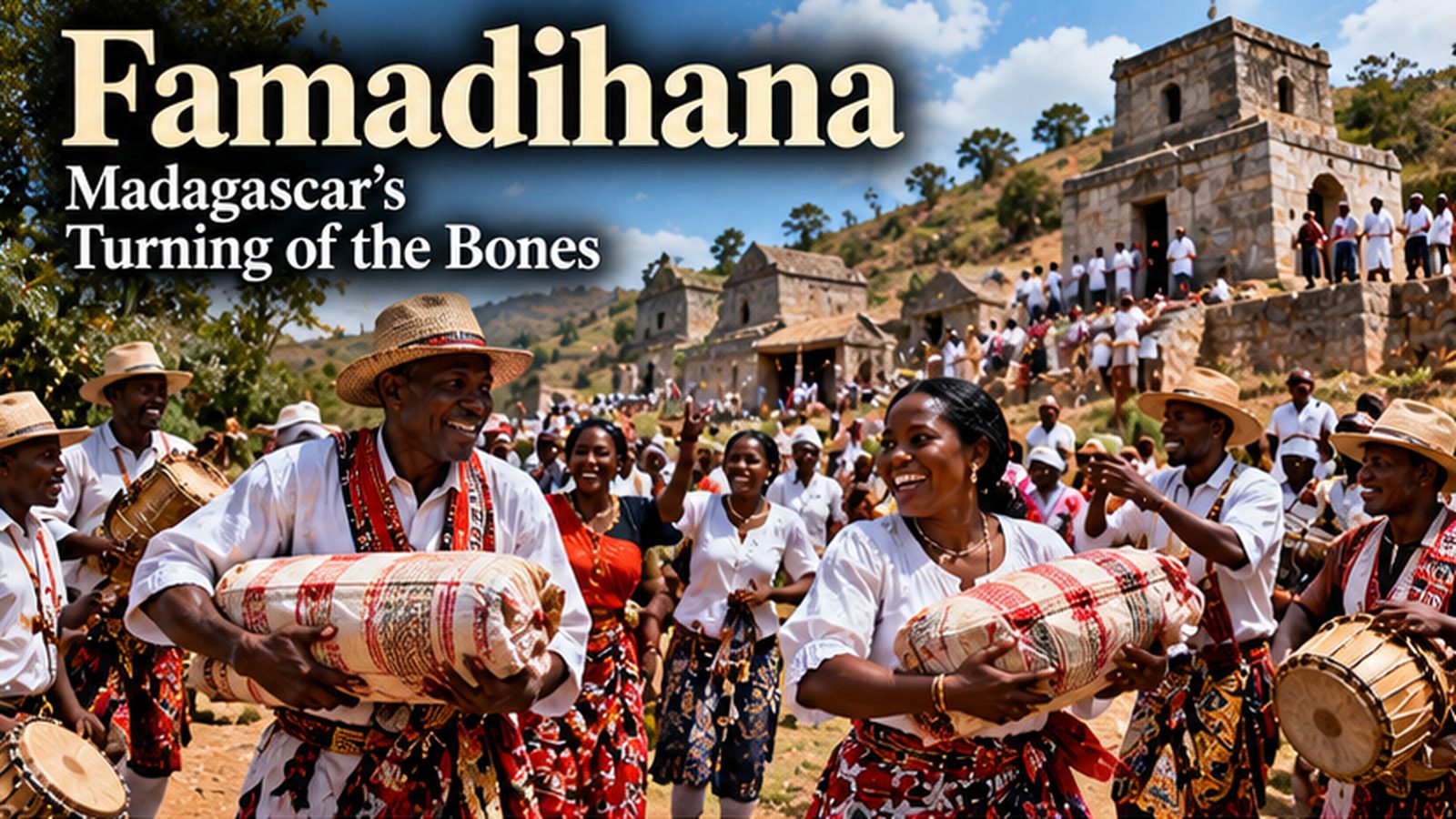
Every few years in Madagascar's highlands, families open their ancestral tombs, rewrap the remains of loved ones in fresh shrouds, and dance with them. Here is what famadihana means.
Spoken by tens of millions across Nigeria, Niger and beyond, Hausa is one of Africa's most important languages, with a writing tradition in Arabic script centuries old.
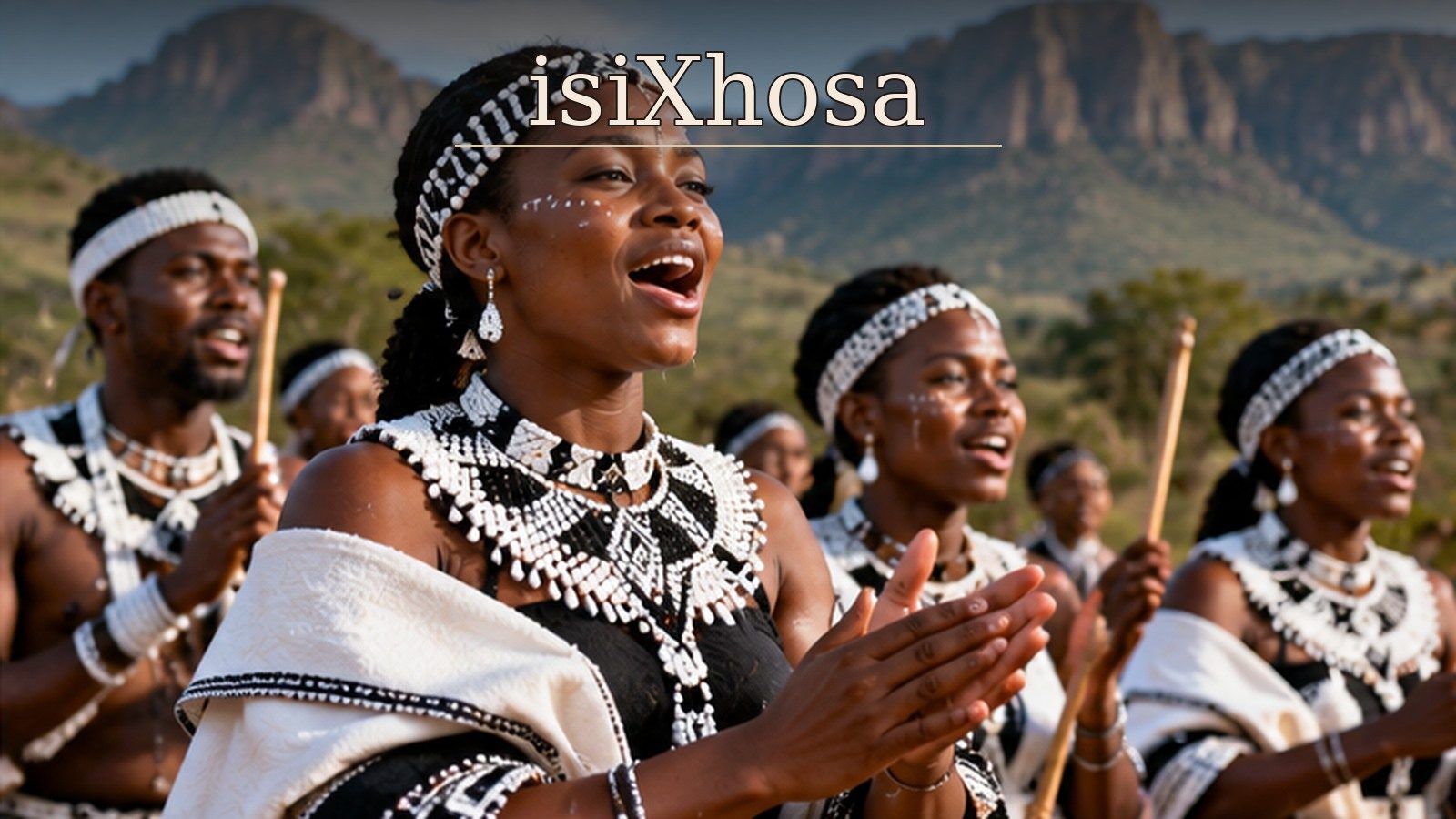
Spoken by millions in South Africa, isiXhosa is famous for its click consonants. Here is where the clicks come from, how they work, and the people who made the language famous.
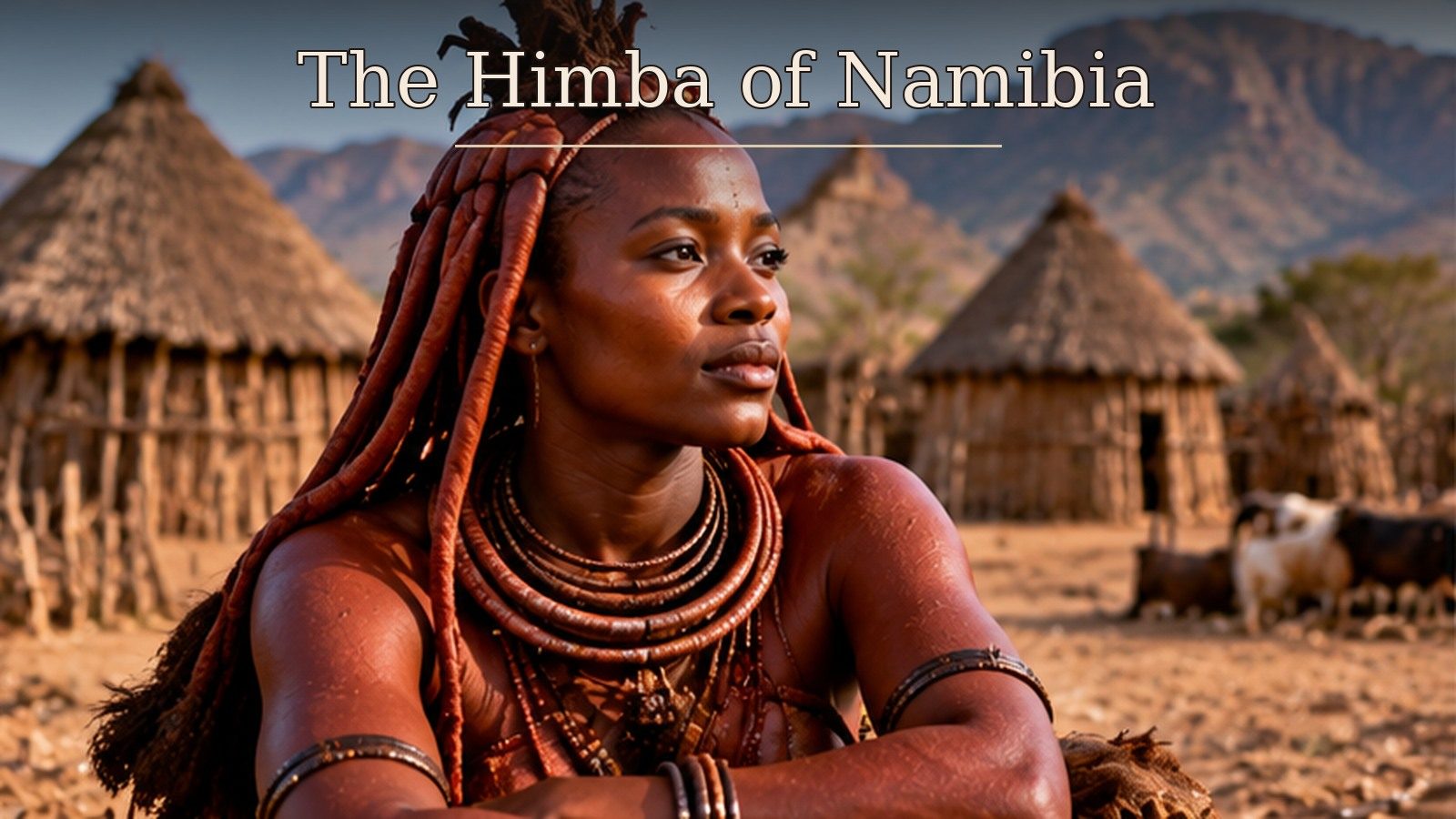
In Namibia's arid northwest, Himba women cover their skin and hair with a red paste called otjize. Here is the culture behind one of Africa's most photographed peoples.
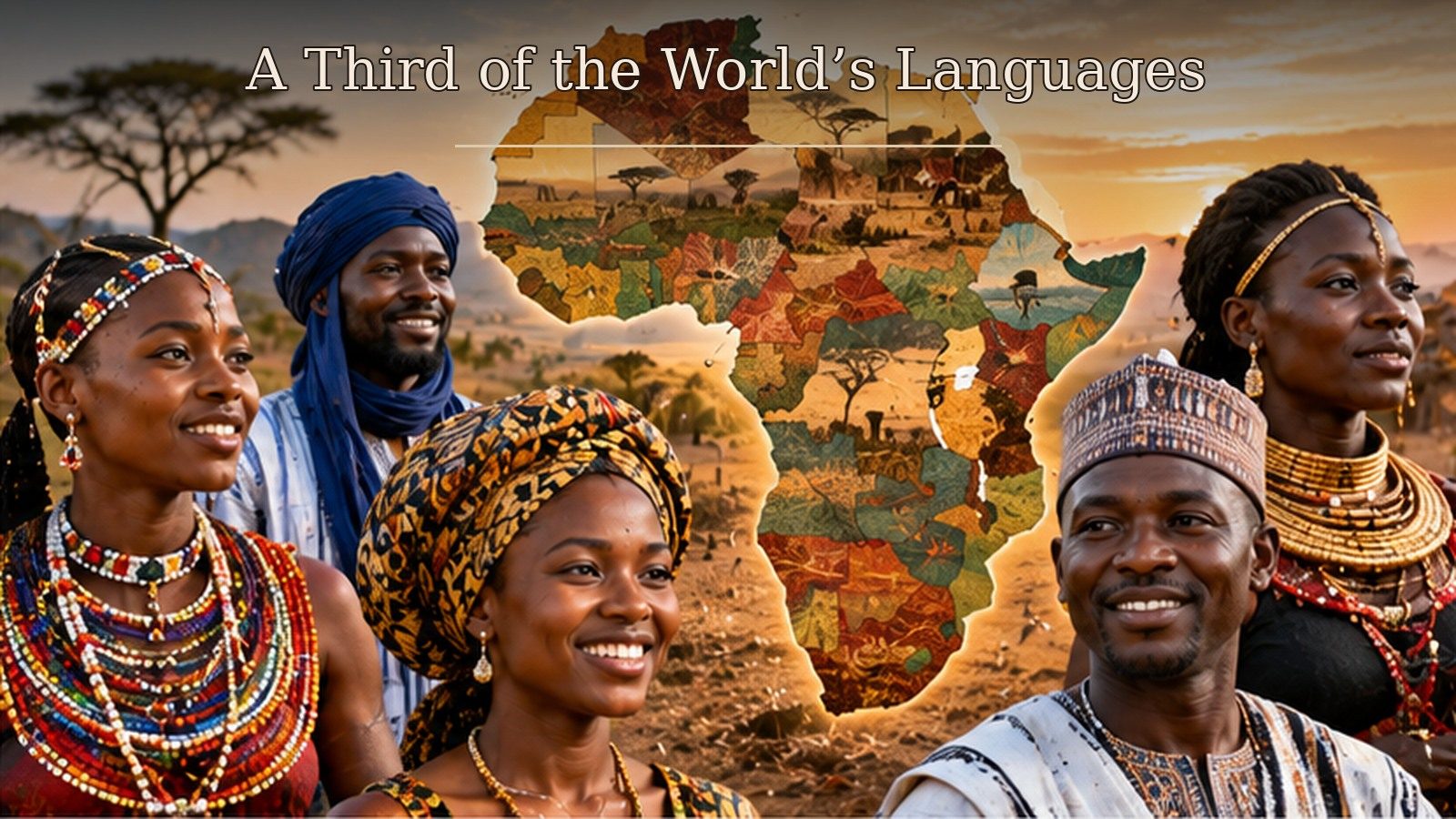
Africa is home to somewhere between 1,500 and 3,000 languages. On International Mother Language Day, here is a guide to the continent's linguistic riches — and the risks they face.
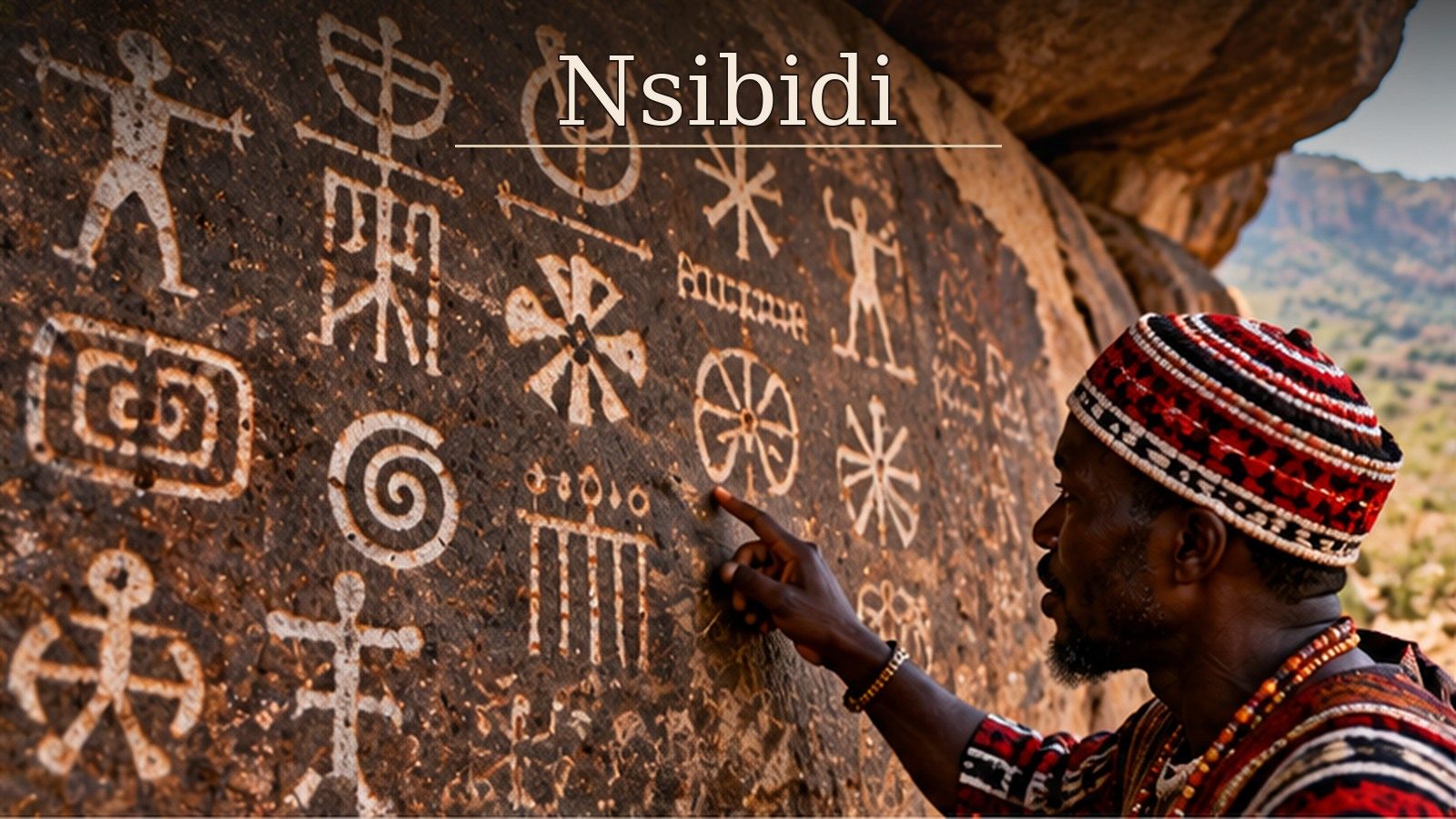
Long before colonial schools, people in southeastern Nigeria communicated with nsibidi, a system of signs guarded by the powerful Ekpe society. Here is what we know about it.
From Zanzibar's harbours to the halls of the African Union, Kiswahili connects East Africa and beyond. Here is how it grew, and a few words to get you started.
Every few years, a generation of Maasai warriors gathers for Eunoto, a ceremony that ends their years as moran. Here is what happens, and how it is changing.
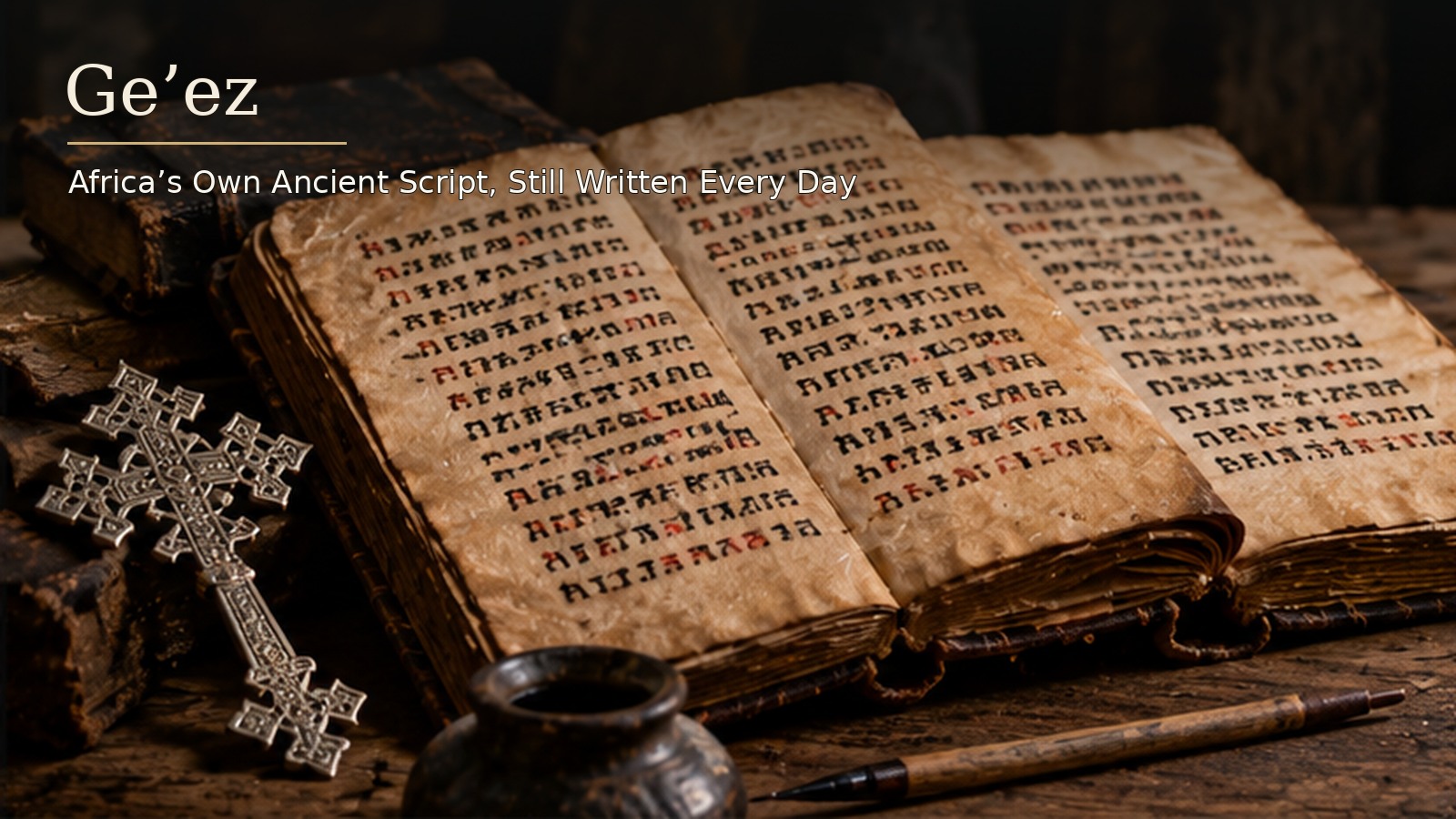
Ethiopia and Eritrea write with a script that has developed on African soil for around two thousand years. Here is how Ge'ez works and why it is unique.
In Ghana, many people carry a name that tells everyone the day of the week they were born. Here is how the Akan day-name system works — and what each day means.