The Fulani: West Africa's Great Herders and the Code of Pulaaku
Spread across some 20 countries from Senegal to Sudan, the Fulani are among Africa's most widespread peoples. Here is their history, language and moral code.

Travel almost anywhere across the Sahel and West Africa — from the Senegal River to Lake Chad, from the highlands of Guinea to the plains of Cameroon — and you will meet the Fulani. You may see a young herder walking behind a herd of long-horned cattle, a woman selling fresh milk and butter in a market, or a scholar teaching the Qur'an. The Fulani are one of Africa's most widespread peoples, found in some twenty countries, and their history is woven through the story of West Africa.
Many names
The Fulani are known by different names in different places:
- Fulani — from the Hausa name, used widely in English.
- Fulɓe (singular Pullo) — their own name for themselves.
- Peul — in French-speaking countries.
- Fula — another common English form.
Their language is called Fula, Pulaar (in Senegal and Mauritania) or Fulfulde (further east). It belongs to the Niger-Congo family and is notable for its complex system of noun classes. Millions speak it as a first language, and many more as a second.
Herders on the move
The Fulani are best known as pastoralists — herders of cattle, sheep and goats. Over many centuries, Fulani herders spread eastward from the region of the Senegal River, moving with their herds in search of pasture and water. Cattle are at the heart of traditional Fulani culture: a source of milk, wealth, status and pride, and the subject of songs, poems and stories.
Today, many Fulani are settled farmers, traders, civil servants and city dwellers, while others continue a nomadic or semi-nomadic life. Groups such as the Wodaabe, famous for their Gerewol festival, maintain an especially strong herding tradition.
Scholars and states
The Fulani played a major role in the spread of Islam in West Africa. In the 18th and 19th centuries, Fulani scholars and leaders founded powerful Islamic states:
- Futa Jallon, in the highlands of present-day Guinea.
- Futa Toro, along the Senegal River.
- The Sokoto Caliphate, founded after the jihad of the scholar Usman dan Fodio beginning in 1804, which united much of northern Nigeria and became one of the largest states in Africa.
- Massina, in the inland Niger Delta of Mali.
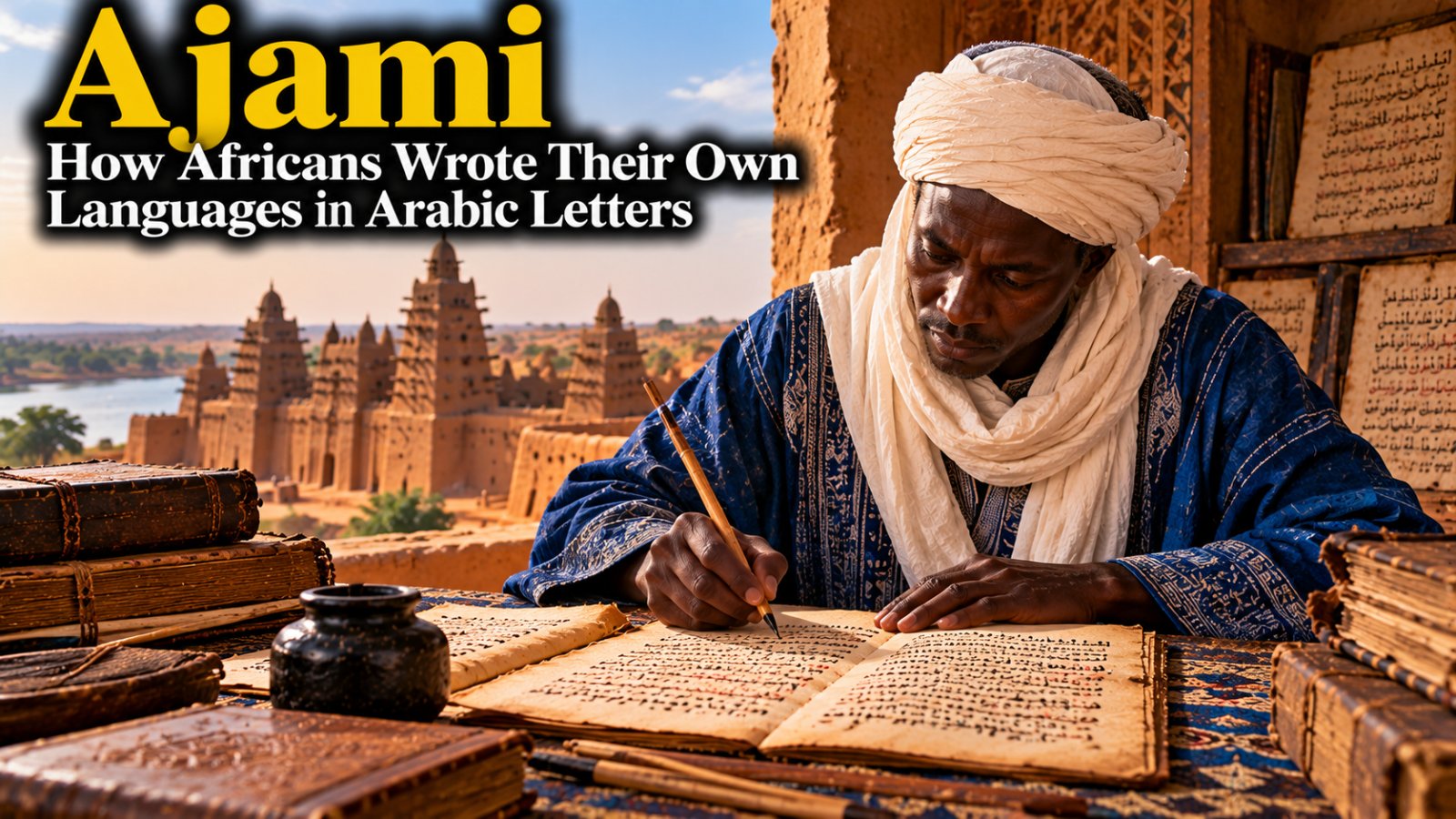
These states produced a rich tradition of Islamic scholarship, with books and poetry written in Arabic and in Fulfulde using Arabic script (Ajami).
Pulaaku: the Fulani way
At the heart of Fulani identity is a moral code called pulaaku — "Fulani-ness." Its key values are often described as:
- Munyal — patience, endurance and self-control.
- Semteende — modesty, reserve and a sense of shame that guides behaviour.
- Hakkillo — wisdom, good sense and foresight.
- Sagata — courage and hard work.
A person with pulaaku is calm, dignified and restrained in public, generous to guests, and loyal to family. Scholars have noted that pulaaku helped Fulani communities keep a strong identity even when spread across many countries.
Challenges today
Many Fulani herders face serious challenges. Drought and desertification have reduced pasture; growing populations and farmland have closed traditional migration routes; and in parts of Nigeria, Mali and Burkina Faso, competition over land and water has contributed to violent conflicts between herders and farmers, worsened by armed groups and insecurity. Fulani communities have often been unfairly stereotyped as a result, and many are themselves victims of violence. Leaders and organisations across the region are working on solutions, from grazing reserves to dialogue between communities.
Why it matters
The Fulani story spans empires, religions, languages and landscapes. They have been herders and scholars, state-builders and poets, and their code of pulaaku — patience, modesty, wisdom and courage — is a philosophy of dignity that has carried them through centuries of change. Understanding the Fulani is essential to understanding West Africa itself.
Further reading
- Mirjam de Bruijn and Han van Dijk, Arid Ways: Cultural Understandings of Insecurity in Fulbe Society, Central Mali (Thela, 1995)
- Paul Riesman, Freedom in Fulani Social Life (University of Chicago Press, 1977)
- Murray Last, The Sokoto Caliphate (Longman, 1967)