Ugali: East Africa's Everyday Staple and How to Eat It
A firm, white mound of maize meal, eaten by hand with stew, greens or grilled meat. Ugali feeds millions every day from Kenya to Zambia, where it goes by many names. Here is its story.
New stories every week
Afrym is your window into Africa, with new stories every week. We look at the traditions, makers, music and ideas of all 54 countries of Africa — told with care, sourced, and written for curious readers everywhere.
A firm, white mound of maize meal, eaten by hand with stew, greens or grilled meat. Ugali feeds millions every day from Kenya to Zambia, where it goes by many names. Here is its story.
Camel caravans, men who veil their faces, women who own the family tent, and an alphabet older than most nations. Meet the Tuareg, the people who made the Sahara their home.
A loose, colourful tunic from West Africa became a statement of Black pride in 1960s America, and its famous "Angelina" print is now worn worldwide. Here is the story of the dashiki.
For nearly two centuries, an all-female army fought for the kings of Dahomey in what is now Benin. Here is the true history of the Agojie, the women behind The Woman King, with its glory and its hard truths.
Born in the bars of Douala, Cameroon, makossa mixed local rhythms with rumba, funk and brass. One 1972 song, "Soul Makossa", carried it to New York dance floors and into pop history.
In July 1956, Gamal Abdel Nasser announced that Egypt would run the Suez Canal itself. Within months, three armies invaded. Here is how an African country faced down two empires and won.
In the 1980s and 1990s, travelling video clubs in Ghana hired local painters to advertise films on flour sacks. The results were wild, bloody, funny and brilliant, and now hang in galleries around the world.
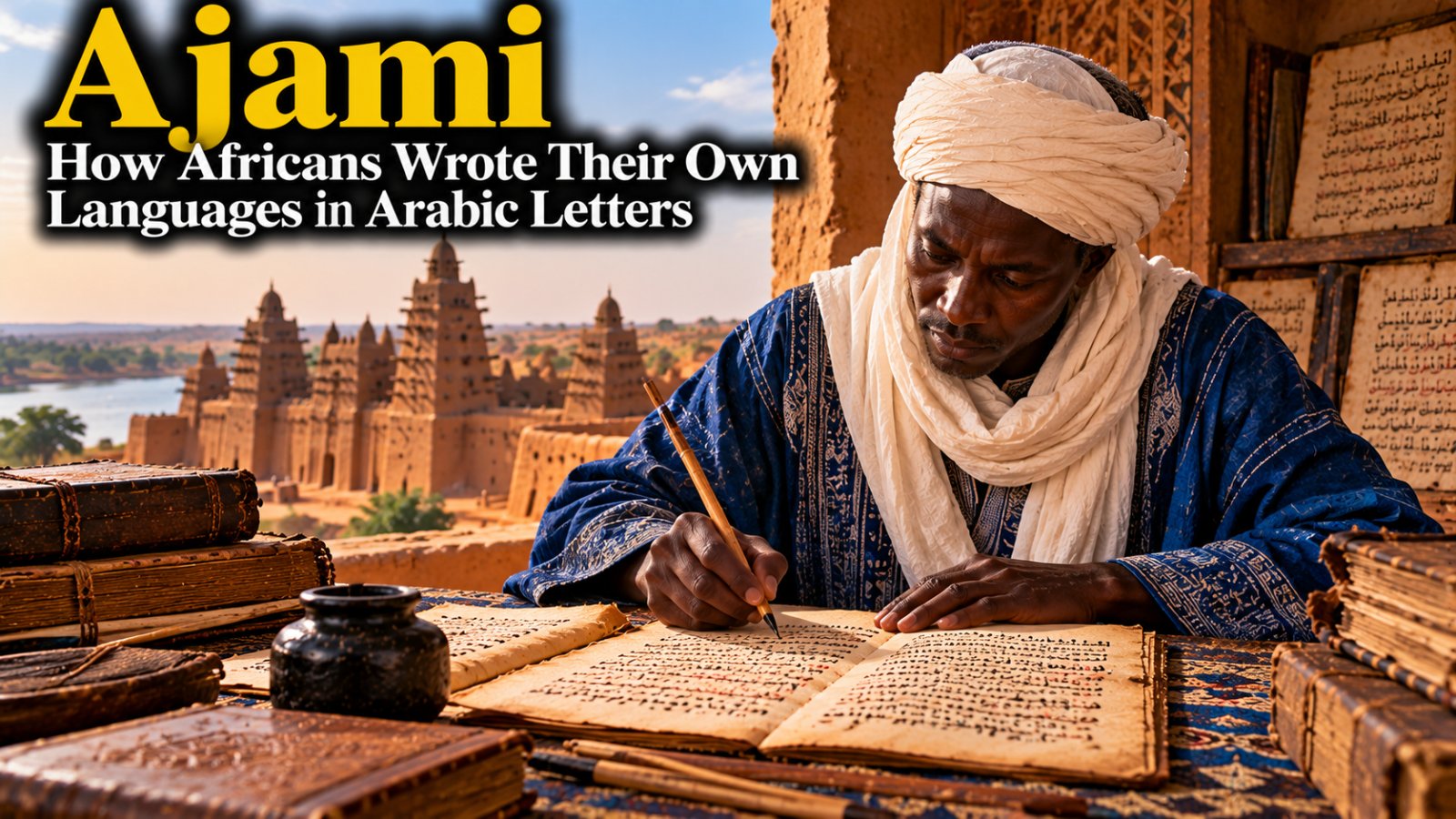
For centuries, people across West and East Africa wrote Hausa, Wolof, Fula and Swahili in an adapted Arabic script called Ajami. Colonial officials barely noticed. Here is the hidden story of Africa's other literacy.
Family manuscript libraries in Mali, parchment books in Ethiopian monasteries, colonial files hidden for decades in an English country house. Africa's written past is far bigger than most people think.
In the 1600s, an Ethiopian scholar hid in a cave and asked how anyone could know which religion was true. His answer, the Hatata, is one of Africa's most remarkable works of philosophy, and one of its most debated.
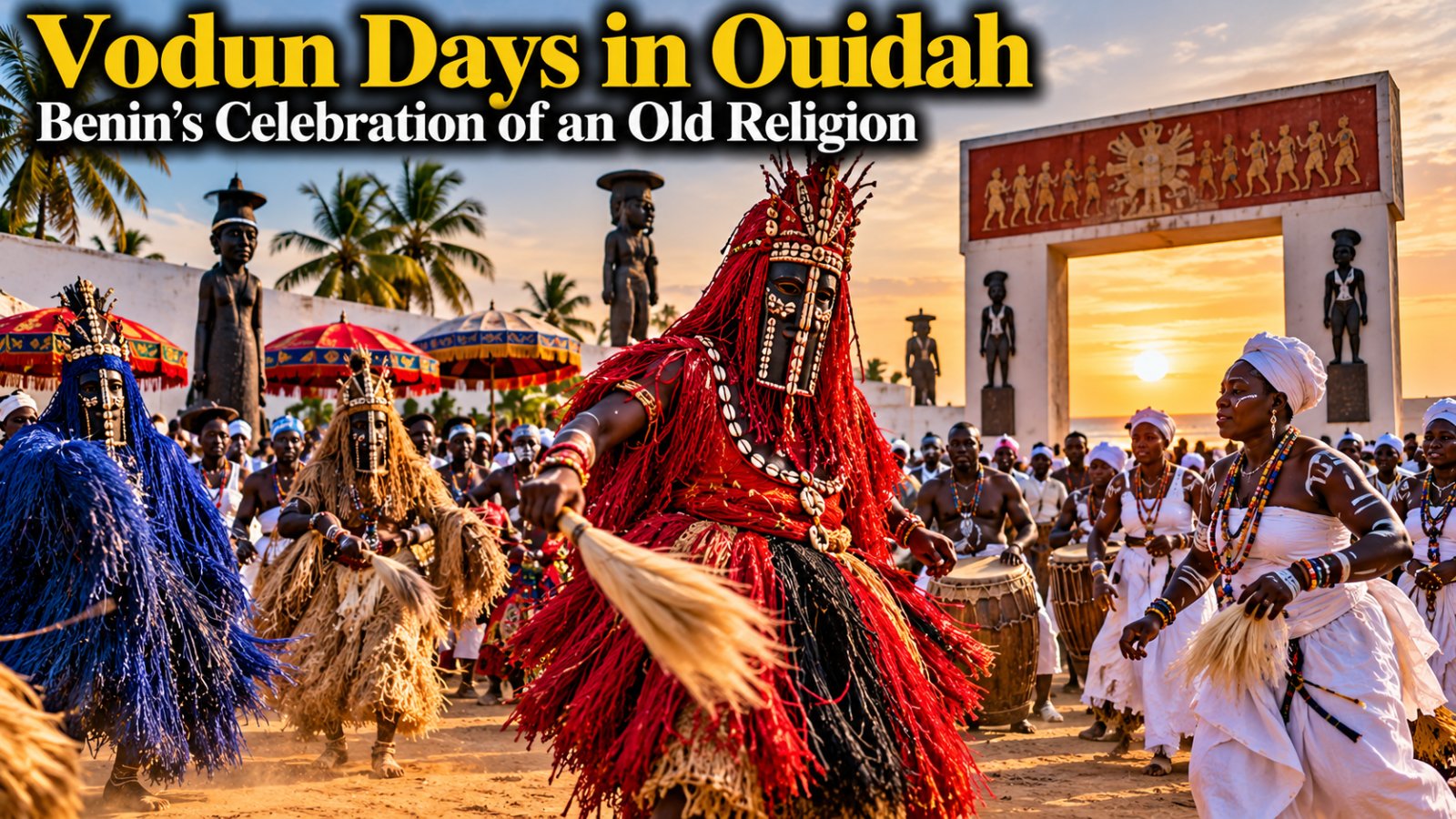
Every January, drums, masquerades and pilgrims fill the coastal town of Ouidah. Benin's Vodun Days honour a religion that is often misunderstood, and show what it really means to its followers.
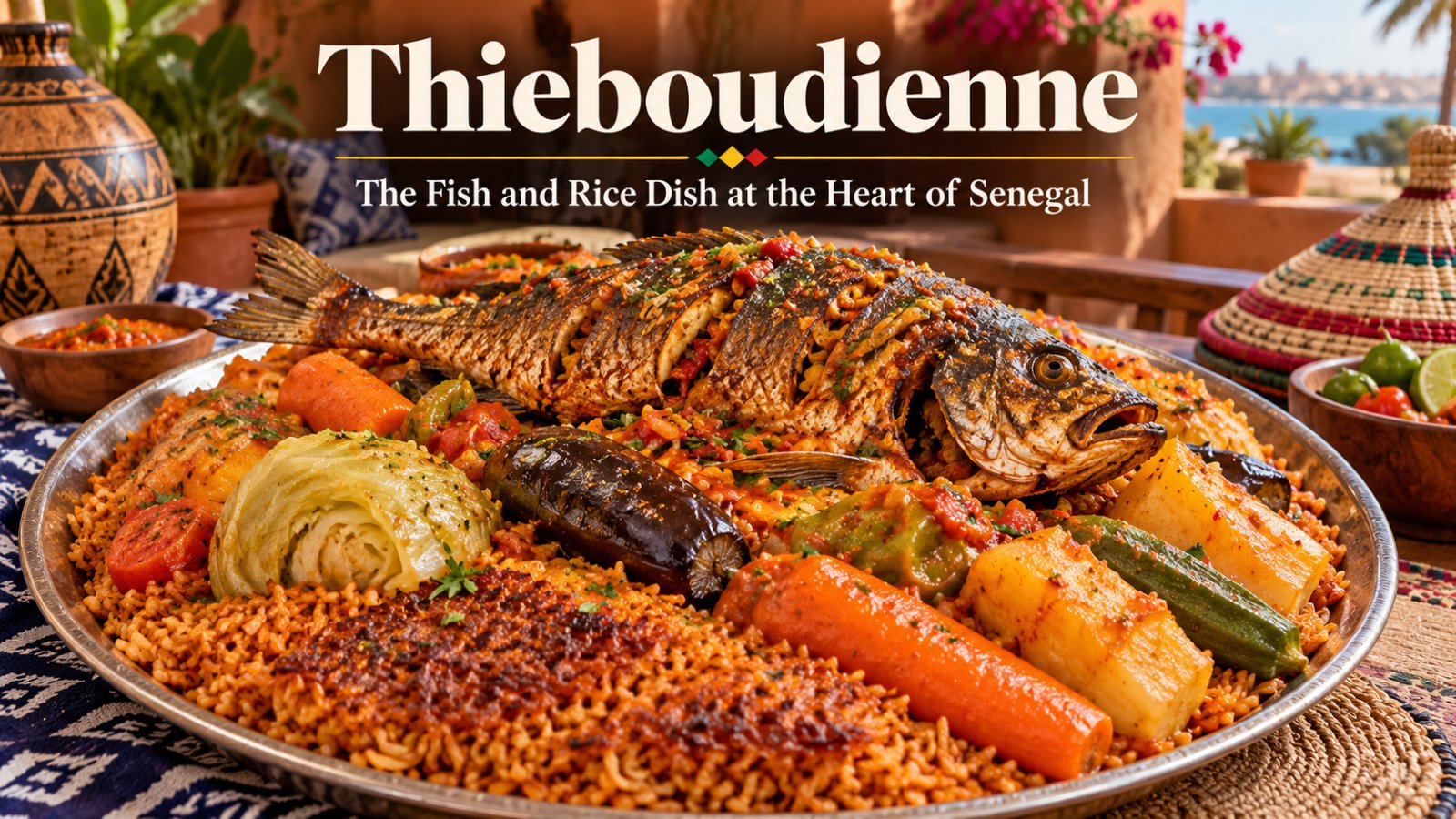
Stuffed fish, vegetables, tomato-red rice and a crispy crust everyone fights over. Thieboudienne is Senegal's national dish, recognized by UNESCO, and every family thinks theirs is the best.