Makossa: The Sound of Douala That Got the World Dancing
Born in the bars of Douala, Cameroon, makossa mixed local rhythms with rumba, funk and brass. One 1972 song, "Soul Makossa", carried it to New York dance floors and into pop history.
Topic
Rhythms, instruments and the movements they inspire.
Born in the bars of Douala, Cameroon, makossa mixed local rhythms with rumba, funk and brass. One 1972 song, "Soul Makossa", carried it to New York dance floors and into pop history.
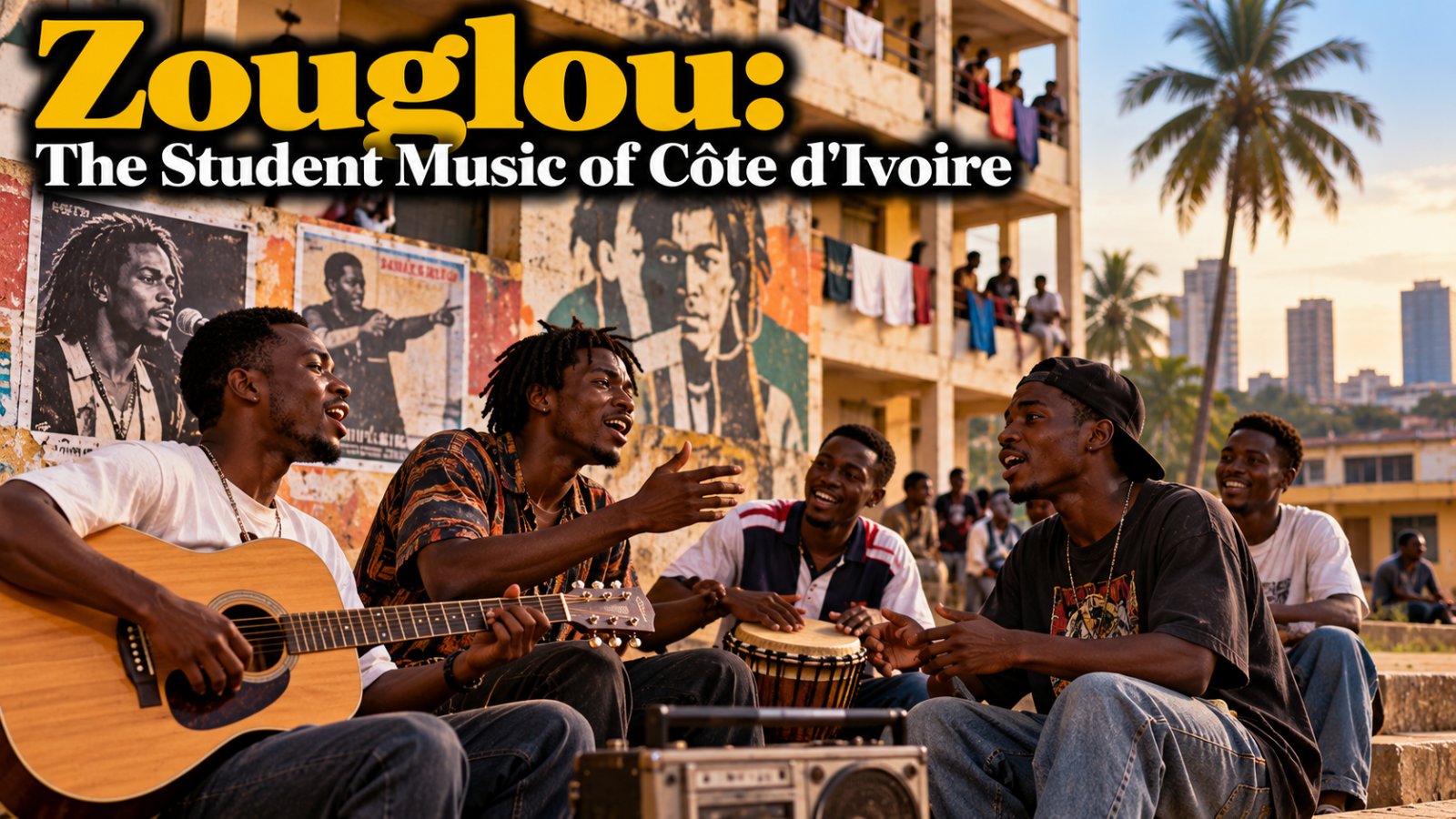
Born in the crowded dormitories of Abidjan's university in the early 1990s, zouglou mixed humour, social criticism and street slang. Its biggest hit, "Premier Gaou", went around the world.
Thundering talking drums, praise singing and Islamic vocal styles, born from Ramadan wake-up music. Fuji is one of Nigeria's great popular musics, and it is named after a Japanese mountain.
Electric guitars played like the mbira, songs in Shona and a message of liberation. In the 1970s, Thomas Mapfumo's chimurenga music became the soundtrack of Zimbabwe's war of independence.
Shoulders bounce, the chest pulses and the neck slides from side to side, faster and faster. Eskista, the shoulder dance of the Ethiopian highlands, is one of the most striking dances in the world.
Slapping rubber boots, stamping feet and jangling bottle caps. The gumboot dance grew out of the harsh world of South Africa's mines and became a celebrated art form.
She sang in Xhosa clicks before the United Nations, was banished from her homeland for thirty years, and became the voice of a continent. The life of Miriam Makeba.
For decades, on the first Thursday of the month, streets from Cairo to Baghdad fell silent as millions listened to Umm Kulthum sing. Who was Egypt's "Star of the East"?
Carnival rhythms, church hymns, township marabi and American jazz all meet in Cape jazz. Its anthem, "Mannenberg", became a song of hope under apartheid.
Slowed-down house beats, chanted township slang and an attitude all its own. Kwaito was the soundtrack of young Black South Africans in the first years after apartheid.
In the 1990s, young Tanzanians began rapping and singing in Kiswahili over hip hop and R&B beats. The result, bongo flava, became East Africa's biggest pop sound.
In Addis Ababa's azmari bets, singers improvise teasing verses about the audience, accompanied by the masinko fiddle. They are heirs to centuries of Ethiopian minstrel tradition.
Auto-tuned vocals, pounding electronic beats and lyrics from the alleys: mahraganat began at weddings in Cairo's working-class districts and became Egypt's most controversial pop.
Born in the port city of Oran, raï gave a voice to desire, frustration and freedom. It made stars of Cheikha Rimitti and Cheb Khaled, and its singers paid a price for speaking out.
Talking drums, shimmering guitars, a pedal steel and praise songs that last for hours: jùjú is one of Nigeria's great popular musics, and King Sunny Adé took it worldwide.
From the lively semba of 1950s Luanda to the slow, close embrace of kizomba, Angola's music and dance have spread from local parties to salsa clubs around the world.
Not to be confused with Fela's Afrobeat, Afrobeats is the 21st-century pop sound of Nigeria and Ghana. Here is how it grew, and how it went global.
From the forests of southern Mali comes Wassoulou music, built on hunters' harps. Its greatest star, Oumou Sangaré, used it to challenge forced marriage and polygamy.
Fast, bright guitar lines and a bouncing bass: benga is Kenya's homegrown popular music, born when Luo musicians played the patterns of the nyatiti lyre on electric guitars.
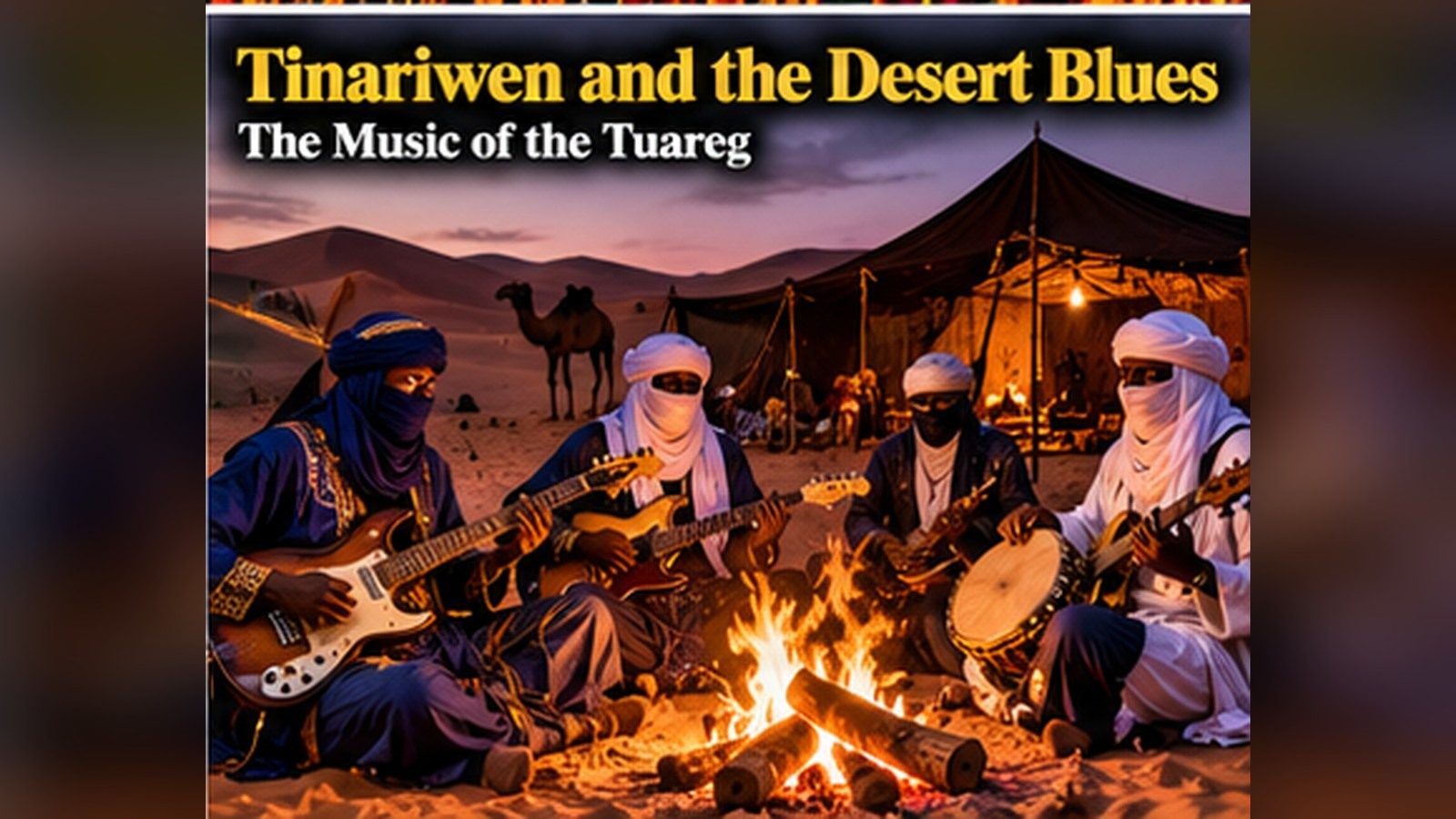
Electric guitars, hypnotic rhythms and songs of exile: Tinariwen began in refugee camps and rebel bases and became the world's best-known Tuareg band.
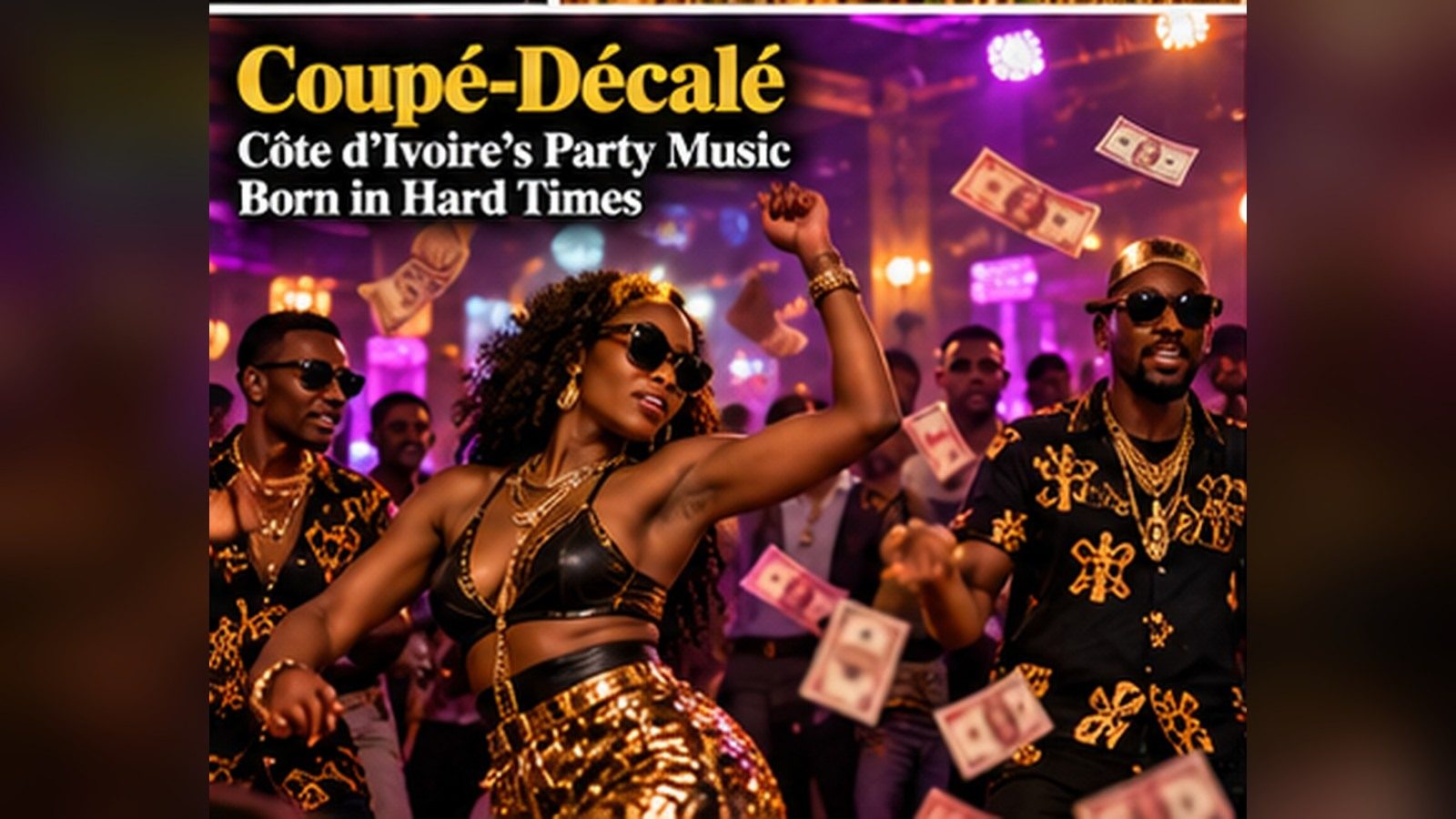
Flashy clothes, dance crazes and banknotes thrown in the air: coupé-décalé began among young Ivorians in Paris and became the soundtrack of a country at war.
Fast guitars, hip-swinging dance and lyrics full of double meanings: marrabenta grew in colonial Lourenço Marques and became the national music of Mozambique.
Born in the hostels of South African migrant workers, isicathamiya is a cappella singing with soft, gliding dance steps. Ladysmith Black Mambazo carried it to the world.
Rapid-fire sabar drums, soaring vocals in Wolof and electric guitars: mbalax is the sound of Senegal, and Youssou N'Dour carried it around the world.
Squeeze the cords of an hourglass-shaped dùndún drum and its pitch rises and falls like a voice. In a tonal language like Yoruba, that means the drum can actually talk.
Mysterious minor melodies, vibraphone and horns: Ethio-jazz mixes Ethiopian modes with American jazz. Here is the story of the sound and the man who created it.
Jazzy piano chords, a deep "log drum" bass and a slow, rolling groove: amapiano grew in South Africa's townships and became one of the world's hottest dance sounds.
Long songs, blazing horns and fearless lyrics: Fela Anikulapo-Kuti built Afrobeat in Lagos and used it to challenge Nigeria's military rulers. Here is his story.
Born at a sultan's court and made famous by a former slave's daughter, taarab blends Swahili poetry with Arab, Indian and African sounds. Here is its story.
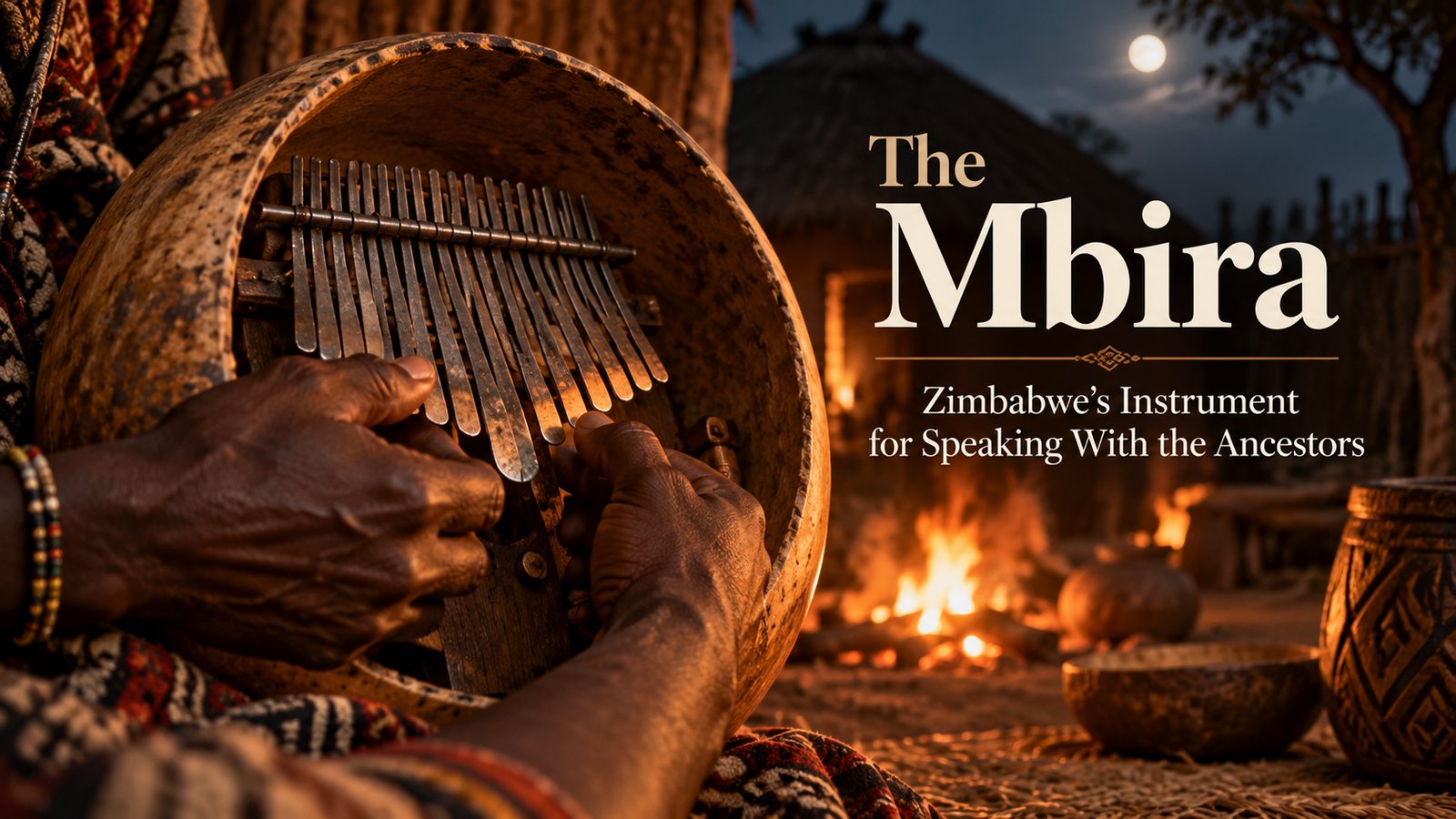
Metal keys on a wooden board, played with the thumbs inside a gourd: the mbira has called the spirits of the Shona for centuries, and now plays on world stages.
Wooden keys, gourds that buzz like insects and a sacred instrument said to be eight centuries old. The balafon has been the voice of Mande kings, griots and village celebrations for generations.
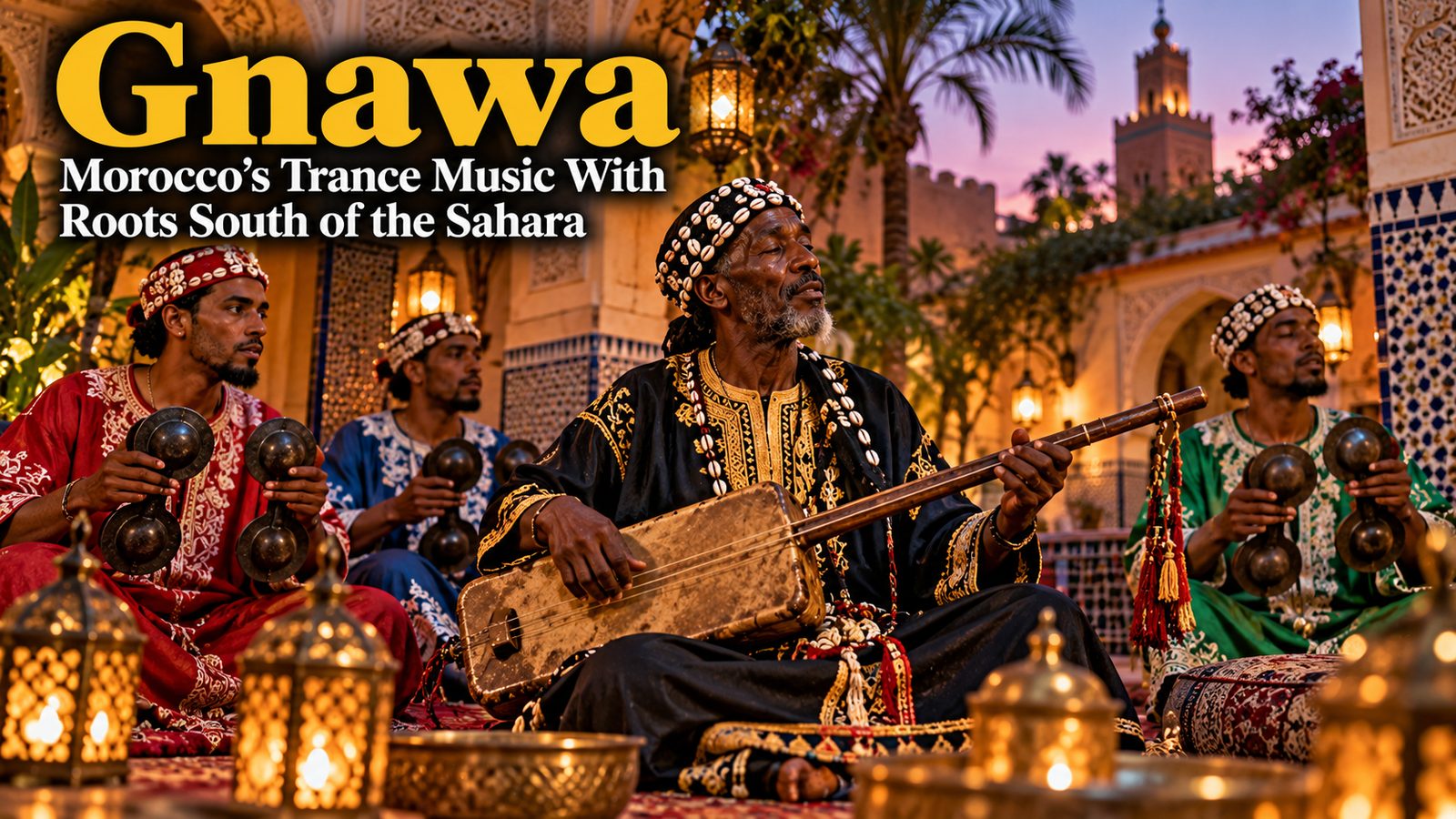
With a three-stringed bass lute, iron castanets and all-night ceremonies, Gnawa music carries the memory of people brought across the Sahara into Morocco.
Born in Ghana's dance halls and palm-wine bars, highlife became the soundtrack of West African independence. Here is how it began and who made it famous.
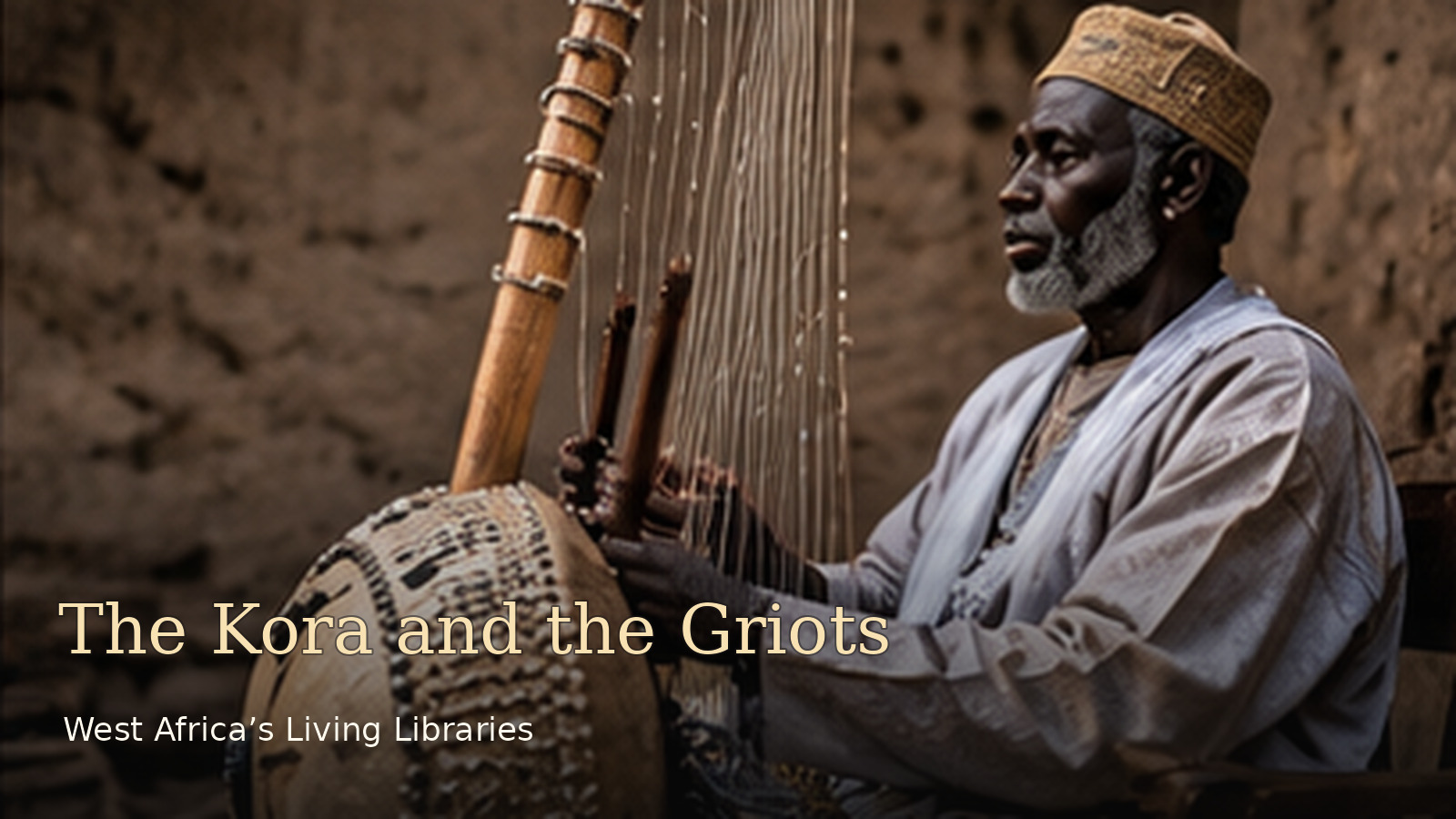
With 21 strings and a body made from a giant calabash, the kora carries centuries of West African history, sung by hereditary musicians called jeli or griots.
Born on both banks of the Congo River and recognised by UNESCO in 2021, Congolese rumba shaped popular music across Africa. Here is its story.