Stories Under the Neighbourhood Tree: Mama Koki Remembers Omdurman
Shared soup and kisra beneath a great tree, coffee among the mothers, and evening tales told by elders. Mama Koki, now living in France, shares her memories of community life in Omdurman, Sudan.
In a neighbourhood of Omdurman, Sudan, there was a great tree. A swing hung from one of its branches. Families from the surrounding houses gathered in its shade to share a meal, while the children played and the mothers made coffee and talked until the afternoon. In the evening, after dinner, everyone gathered again, this time inside one of the larger houses, to listen to the elders tell stories.
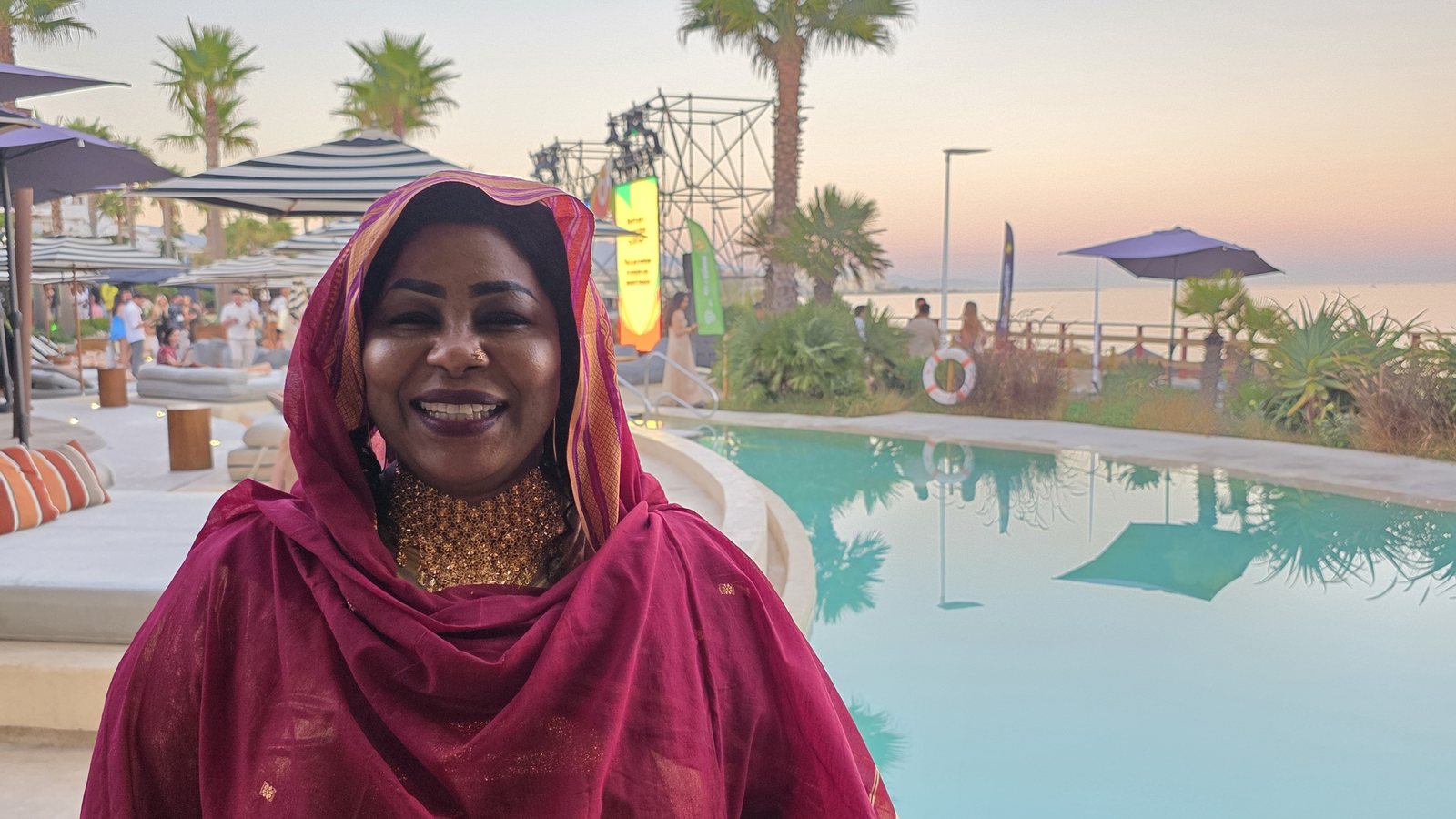
That is how Mama Koki remembers her childhood. Today she lives in France, where her work includes short fiction and spoken videos for an audience online. She agreed to share her memories with Afrym, in a written interview arranged by her son, Wissam Bachir. Her answers are her own family's experience, told in her own words.
A city of neighbours
Omdurman lies on the west bank of the Nile, facing Khartoum near the point where the Blue and White Niles meet. For generations it has been known as one of Sudan's great cultural cities, a place of markets, poetry, music and close-knit neighbourhoods.
Since 2023, war has caused enormous suffering in Sudan, and Omdurman has been badly affected. Millions of Sudanese have been forced from their homes, and many families now live far from the streets where they grew up. That makes memories like hers all the more precious.
The meal under the tree
"The families of the neighbourhood lived in quite similar conditions and shared what they had," Mama Koki recalls.
One neighbour's family ran a butcher's shop at the Great Market and would bring home offal and beef bones. The mothers worked together to cook a large pot of soup, which everyone ate with kisra, the thin Sudanese flatbread that was the foundation of their daily diet.
Kisra is made from sorghum flour mixed with water and left to ferment, then spread as a very thin batter on a hot iron plate and peeled off in seconds. Its slightly sour taste will be familiar to anyone who has eaten Ethiopia's injera, another fermented flatbread of the Nile region.
For Mama Koki, the memory is about more than food. "It is also a memory of a way of living together," she says. "The women pooled their efforts, and we shared the meal under the neighbourhood tree." After the meal, the mothers prepared coffee and talked, a custom of hospitality shared across the region, from the Ethiopian coffee ceremony to the tea circles of the Sahel.
Evening stories from the elders
"During our childhood, our fathers, our mothers and our grandparents told us stories," Mama Koki remembers. "They were much more than entertainment. Through them we learned wisdom, the values of our society and our popular heritage."
This is the same tradition we explored in When an Elder Dies, a Library Burns: knowledge passed from one generation to the next by voice and memory, in the evening, when the day's work is done.
Among the figures associated with these stories in Sudan is Sheikh Farah Wad Taktouk, a celebrated character of Sudanese folk wisdom to whom many short, witty tales are attributed. One of them has stayed with Mama Koki all her life.
"Eat, my sleeve"
As she tells it, the sheikh was once invited to a banquet at the home of an important man in the town. He went straight from work, still in his ordinary clothes. He did not receive the welcome he expected, and some of the guests even looked at him with disapproval.
So he went home. He washed, put on his finest clothes, his cloak and his turban, perfumed himself, and returned to the banquet. This time everything changed. "Welcome, sheikh of the Arabs!" they said. People hurried around him and served him the best dishes.
The sheikh then turned to the sleeve of his robe and said: "Eat, my sleeve, before my mouth!" As if to say that all these honours had been meant for his clothes, not for him.
The story reminds Mama Koki of a Sudanese saying, «الهيبة تحت الثياب», which can be rendered approximately in English as "presence (or prestige) lies beneath the clothes". For her, it carries two lessons at once: the importance of cleanliness, self-care and a neat appearance, and an honest reminder of how much appearance can influence the way people are welcomed and treated.
Like the trickster tales of Anansi in West Africa, the story is short, funny and sharp, and it leaves the listener with something to think about. You can find many more sayings like it in our collection of African proverbs.
How the children took part
"We took part first of all by listening to the elders," Mama Koki says. "These stories were part of our education. They spoke to us about sincerity, honesty, courage and the consequences of our actions. They helped us understand how people behave."
Around the tree, the children also played, especially on the swing. "Play, the shared meal and listening to the stories were all part of those moments of collective life."
From the evening circle to the screen
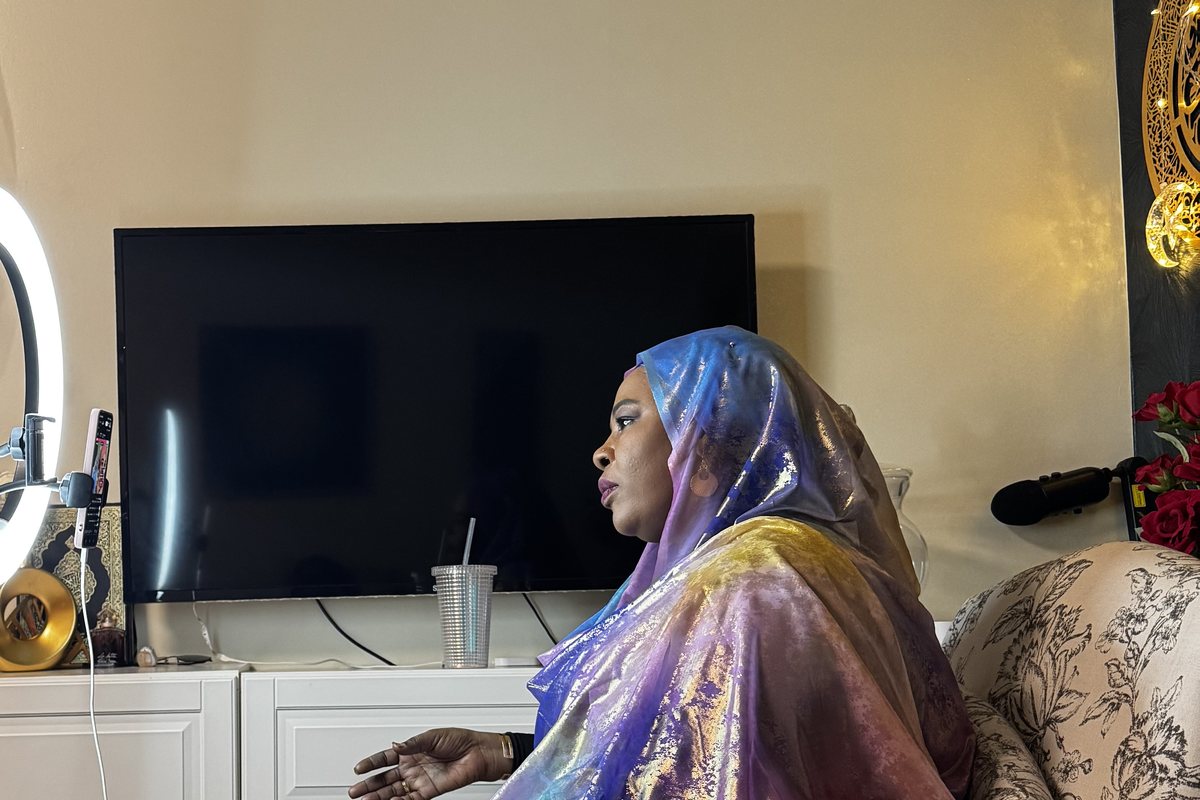
Photo: Wissam Bachir
Mama Koki sees a clear thread between those evenings in Omdurman and the way she tells stories today. She first wrote short stories based on situations she had lived or observed, then shared texts on Facebook, and later began making videos.
"The formats have changed, but the place of the story has remained," she says.
She also felt that something was missing for many people: the presence of an elder who listens, advises and guides. Through stories close to everyday life, she tries to open conversations on subjects that can be hard to raise directly, including the confidence of young girls, respect for women and the protection of children.
"I carry with me something of those elders who passed things on through stories," she says, "and of those mothers who shared the meal and the worries of the neighbourhood."
You can follow her work on TikTok and Facebook, and read a longer French-language interview with Mama Koki on FasoAmazone.
What she hopes young Sudanese will keep
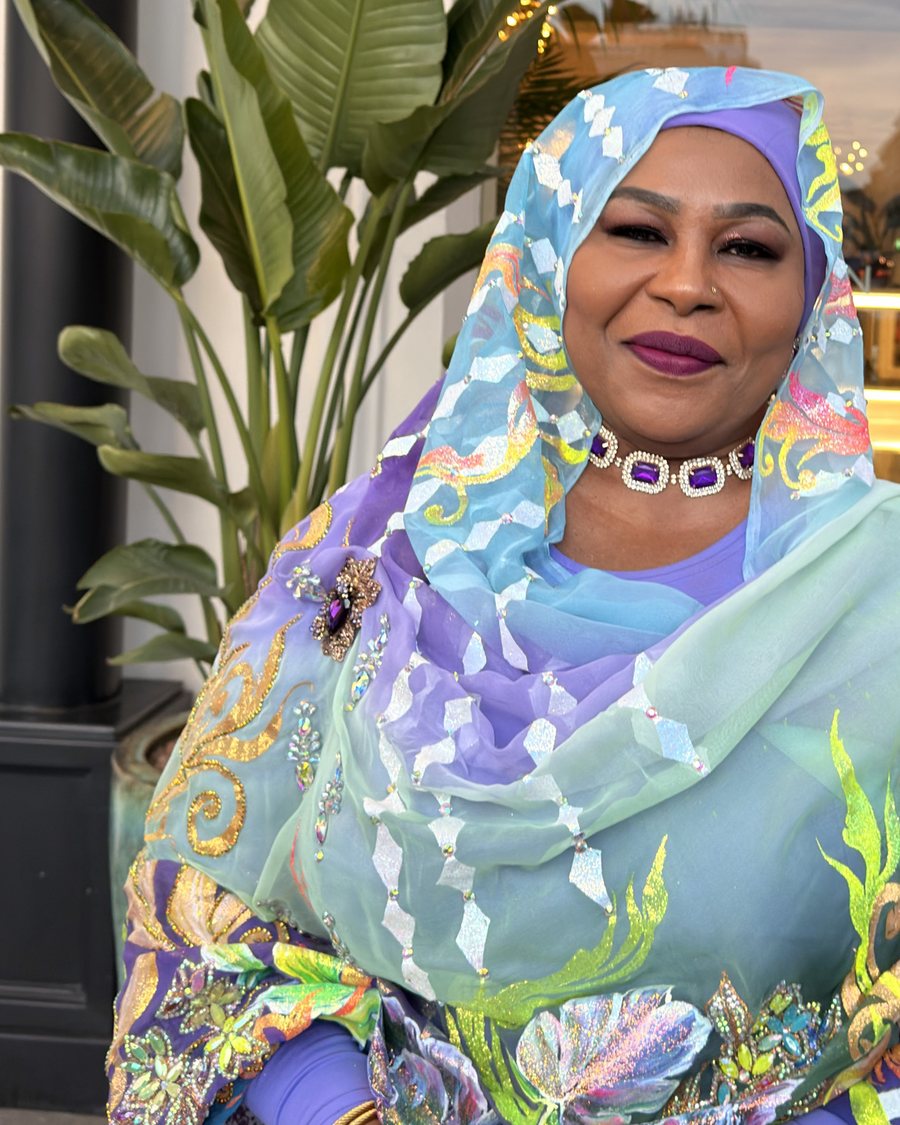
Photo: Wissam Bachir
We asked Mama Koki which tradition from Omdurman she would most like young Sudanese living abroad to pass on. Her answer was not a dish or a festival, but a way of caring for one another.
"I would like them to pass on the spirit of solidarity and mutual support that we knew in Omdurman," she says. "Social ties were strong, and families lived like one big family. We shared joys, we supported each other through hardship, and everyone had someone to ask after them and stand by their side."
She hopes families will teach their children to check on the people around them, to support those in need and to keep up their ties with relatives and neighbours, wherever they live.
"When we carry these values with us and live them every day, the distance weighs less heavily. Our beautiful Sudanese traditions stay alive, even far from home."
It is an idea found across Africa, in the Southern African philosophy of Ubuntu, in Kenya's spirit of Harambee and in Senegal's teranga: a person is never truly alone when a community stands with them.
Why it matters
History books tell us about kings, wars and empires, from the ancient Kingdom of Kush on the Sudanese Nile to the present day. Memories like Mama Koki's tell us something just as important: how ordinary families lived, shared and raised their children together.
A pot of soup cooked by several mothers, a swing on a branch, a funny story about a sheikh and his sleeve. These are small things, but they hold the values of a whole community. By sharing them, Mama Koki keeps that tree in Omdurman standing, for her family and for everyone who reads her words.
Mama Koki's answers were given in Arabic, written in French by her family, and translated into English by Afrym. Our thanks to Mama Koki and to Wissam Bachir for sharing them.
Cover photograph: Wissam Bachir.
Further reading
- Interview with Mama Koki by Afrym, conducted in writing through Wissam Bachir (November 2026), translated from Arabic into French by the family and from French into English by Afrym
- FasoAmazone — Mama Koki: de l'héritage soudanais à la parole qui redonne confiance aux femmes (October 2026)
- Frontiers in Nutrition — Sensory evaluation of kisra, a Sudanese fermented flatbread (2025)
- OkayAfrica — Hana Baba's Folktales Tell a Different Story About Sudan