Benga: The Kenyan Guitar Sound That Grew From an Ancient Lyre
Fast, bright guitar lines and a bouncing bass: benga is Kenya's homegrown popular music, born when Luo musicians played the patterns of the nyatiti lyre on electric guitars.
Every year in late winter, tens of thousands of young women in Eswatini cut tall reeds, carry them to the Queen Mother's royal residence, and dance. Here is what Umhlanga means.
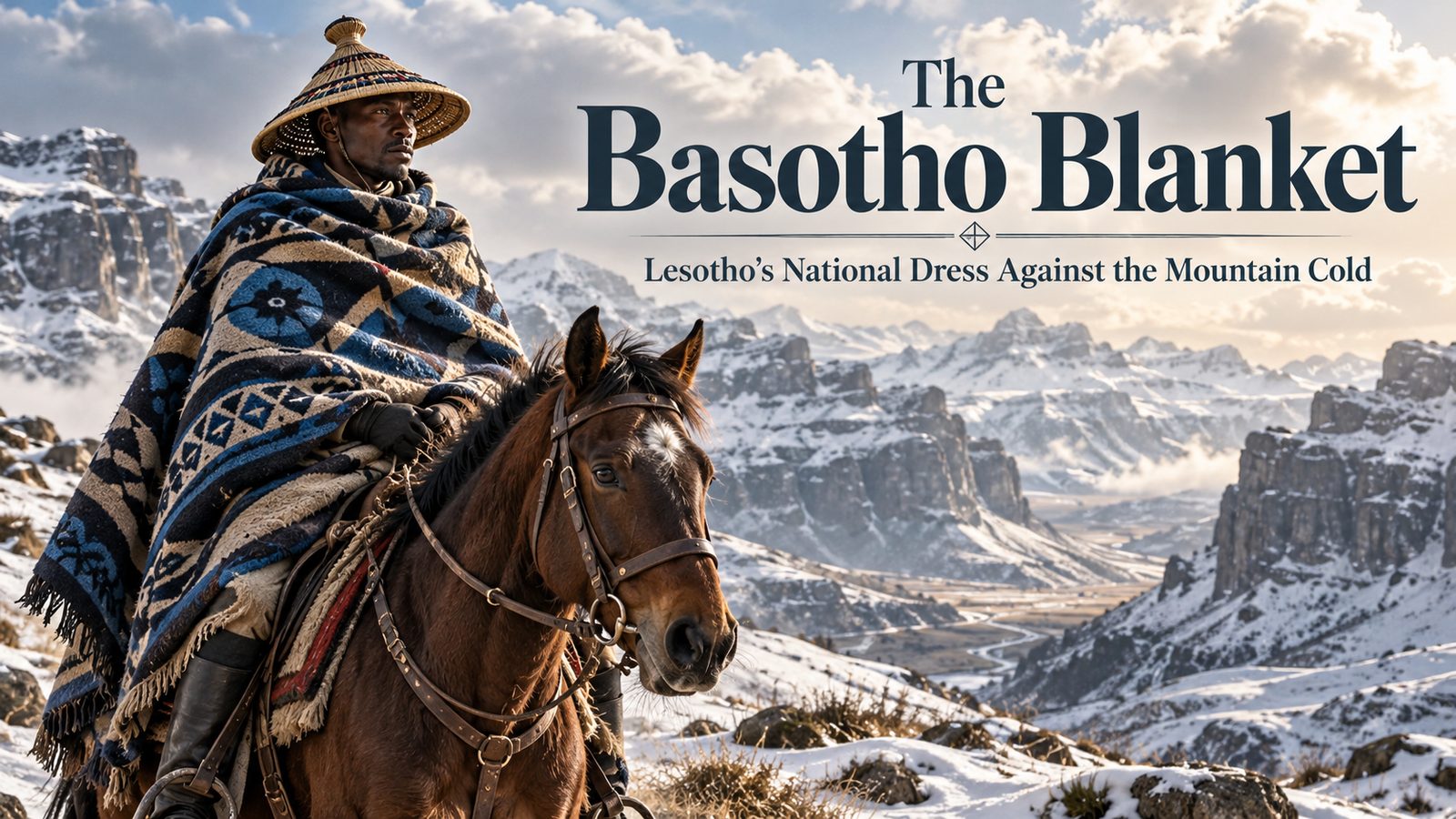
In the mountain kingdom of Lesotho, a thick wool blanket worn like a cloak marks every stage of life. Here is the story of the Basotho blanket and the mokorotlo hat.
Born from Dutch at the Cape and shaped by enslaved people and Khoekhoe speakers, Afrikaans is both a language of apartheid's rulers and of the people they oppressed.
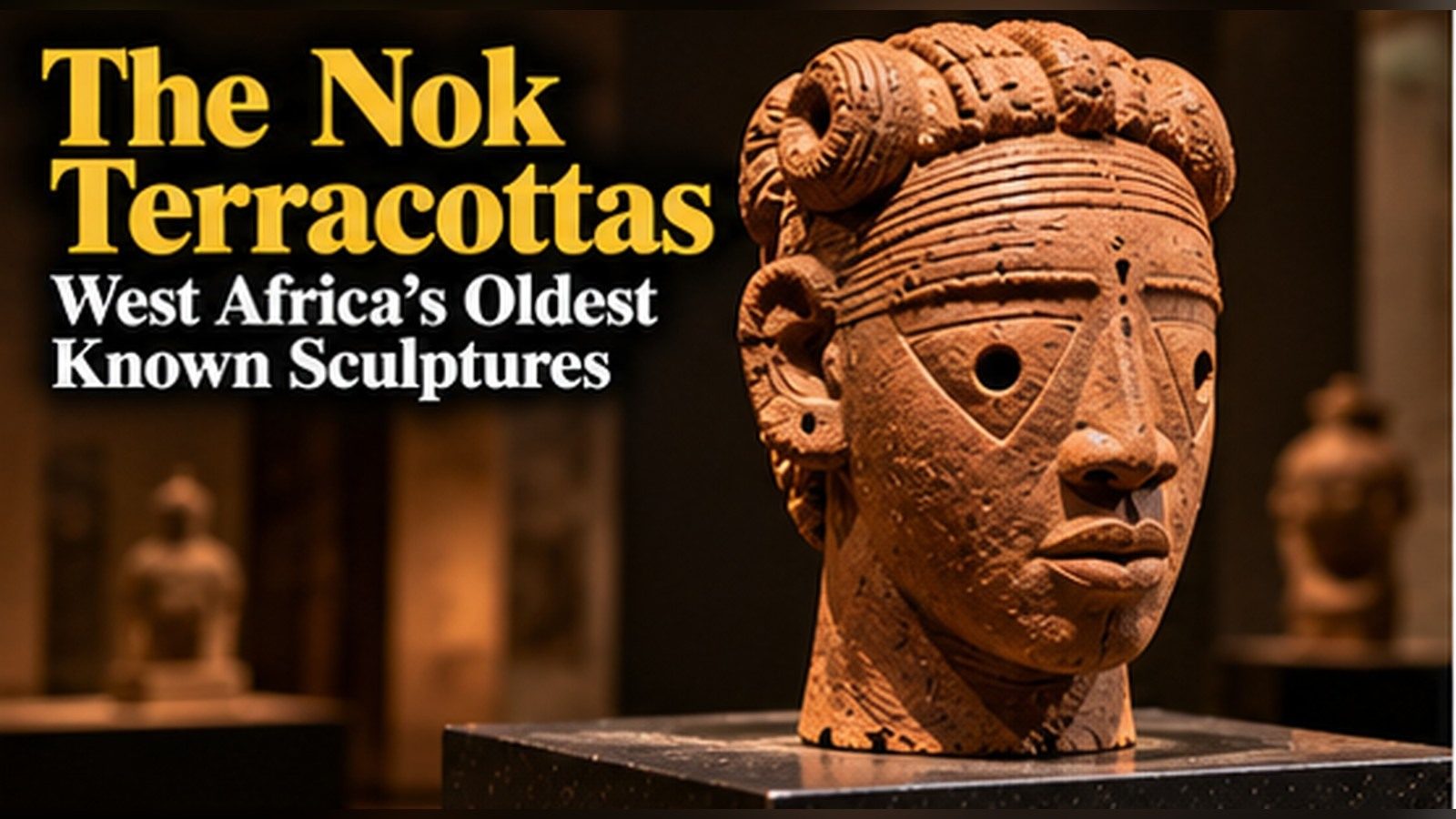
More than two thousand years ago, people in central Nigeria made striking clay heads and figures with triangular eyes and elaborate hairstyles. Here is what we know about Nok.
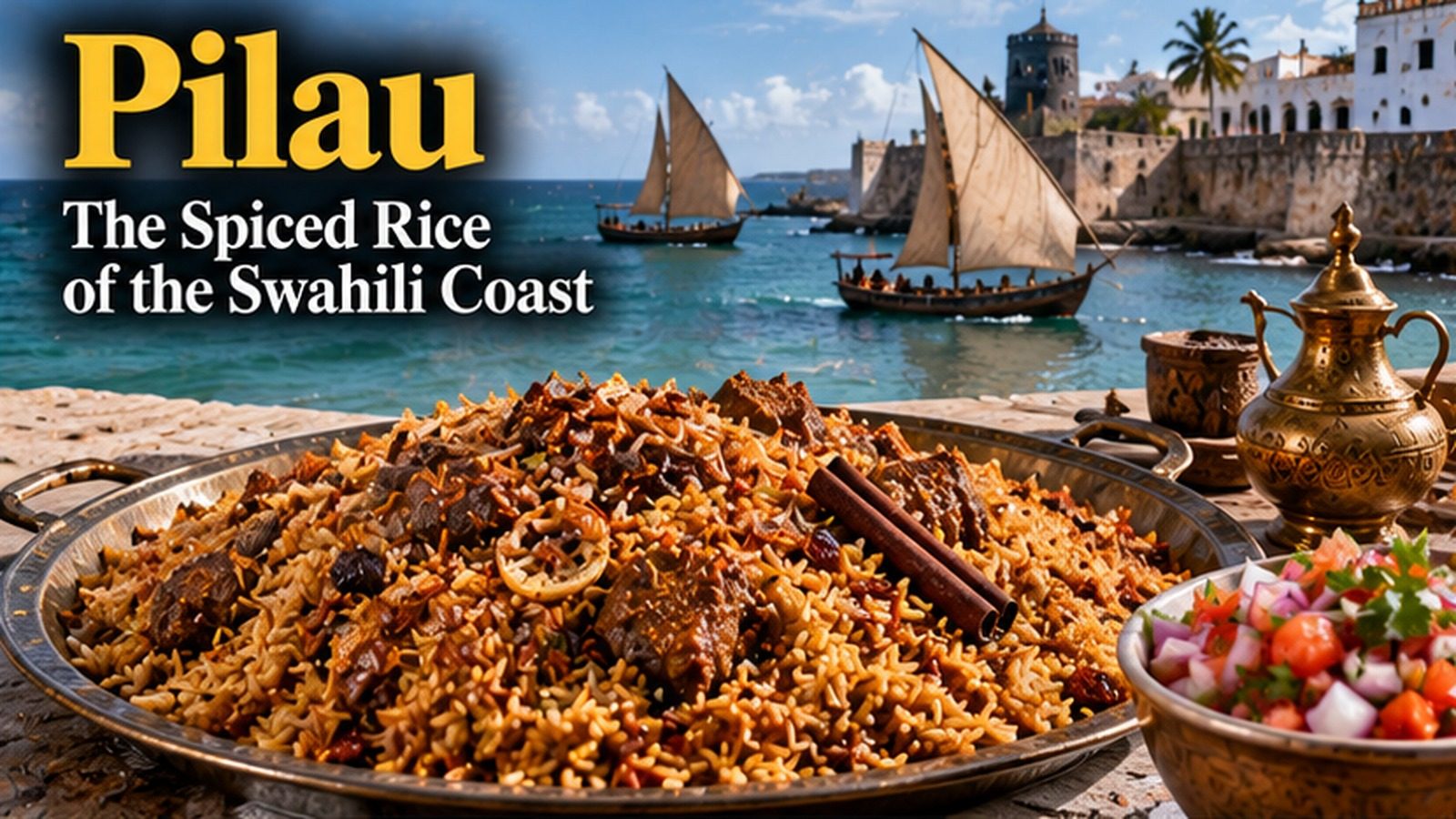
Fragrant with cumin, cardamom, cinnamon and cloves, pilau is the festive rice of East Africa's Swahili coast. Its spices tell a story of the Indian Ocean trade.
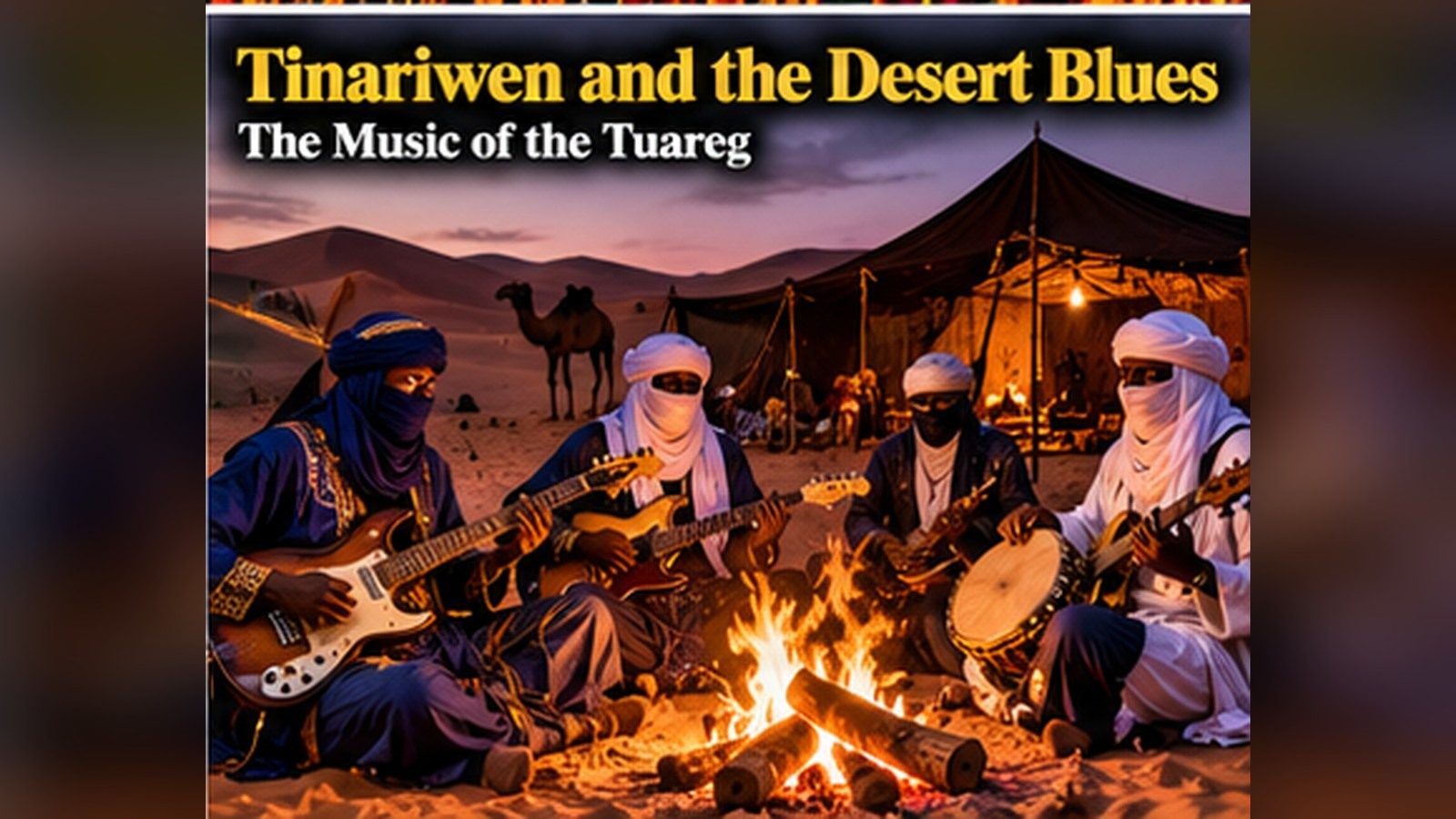
Electric guitars, hypnotic rhythms and songs of exile: Tinariwen began in refugee camps and rebel bases and became the world's best-known Tuareg band.
At the old slave castles of Cape Coast and Elmina, Ghana's Pan-African Historical Theatre Festival invites the African diaspora to remember, reflect and reconnect.
Every year on 7 April, Rwanda begins a period of national remembrance for the victims of the 1994 genocide against the Tutsi. Kwibuka means "to remember."
Tanzania's first president built a national philosophy on ujamaa, the Swahili word for familyhood. It united a nation, but its economic experiment largely failed.
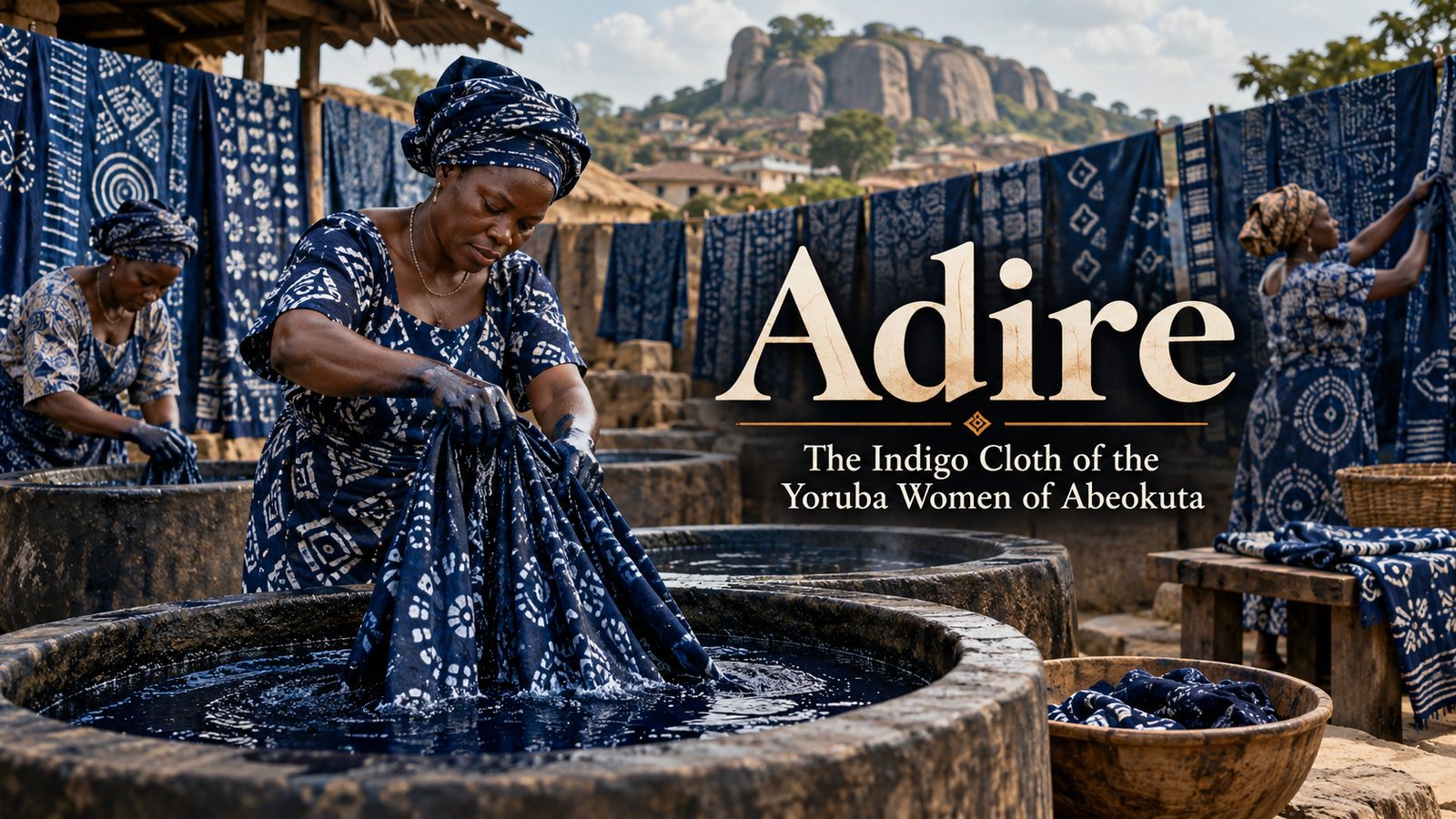
Patterns tied, stitched or painted on with cassava paste, then dyed deep blue in indigo: adire is the resist-dyed cloth of the Yoruba, a craft led by women for generations.
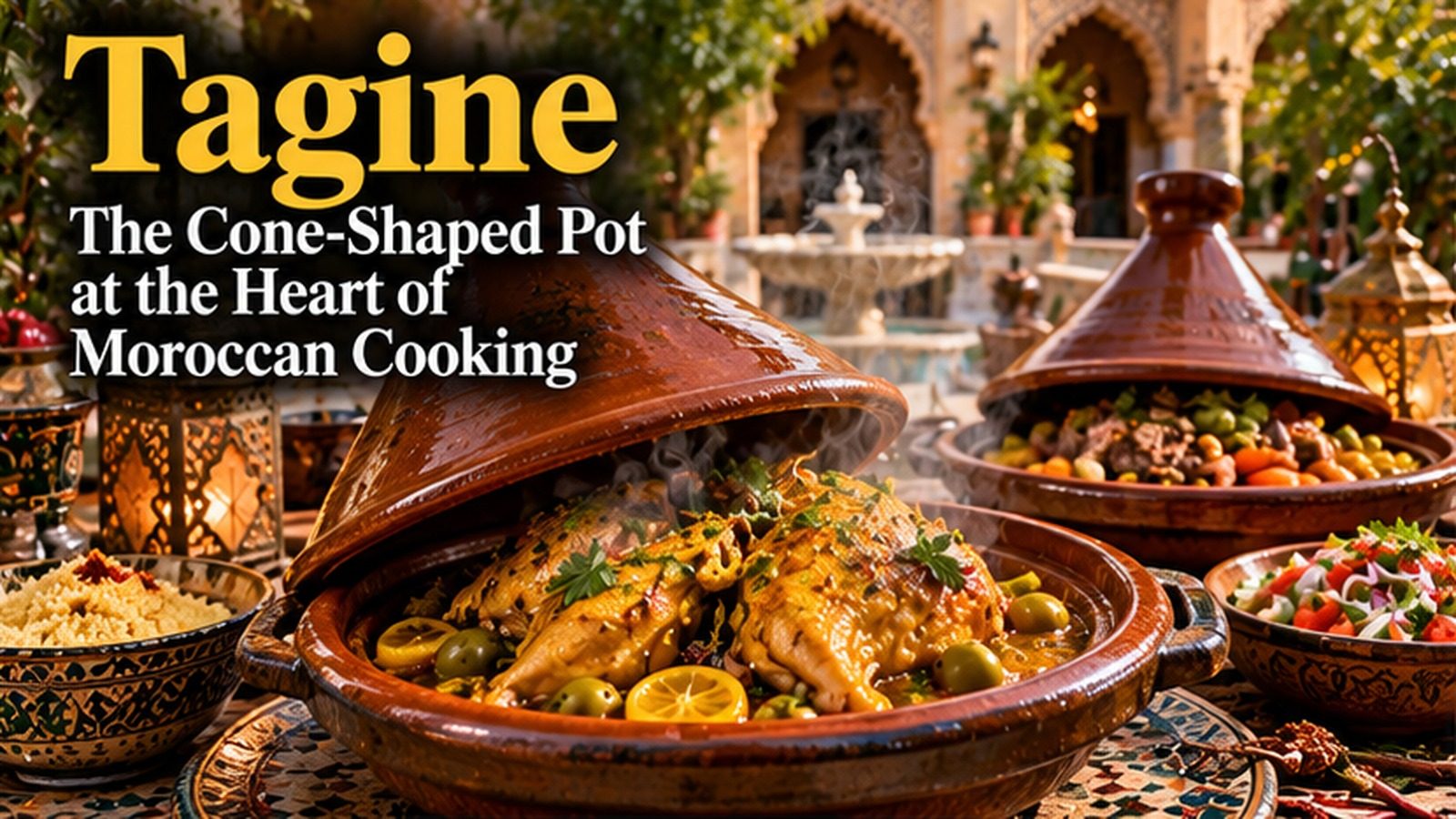
A tagine is both a clay pot with a tall pointed lid and the slow-cooked stew made in it. Here is how the pot works, what goes in it, and where it comes from.