Food & Ceremony
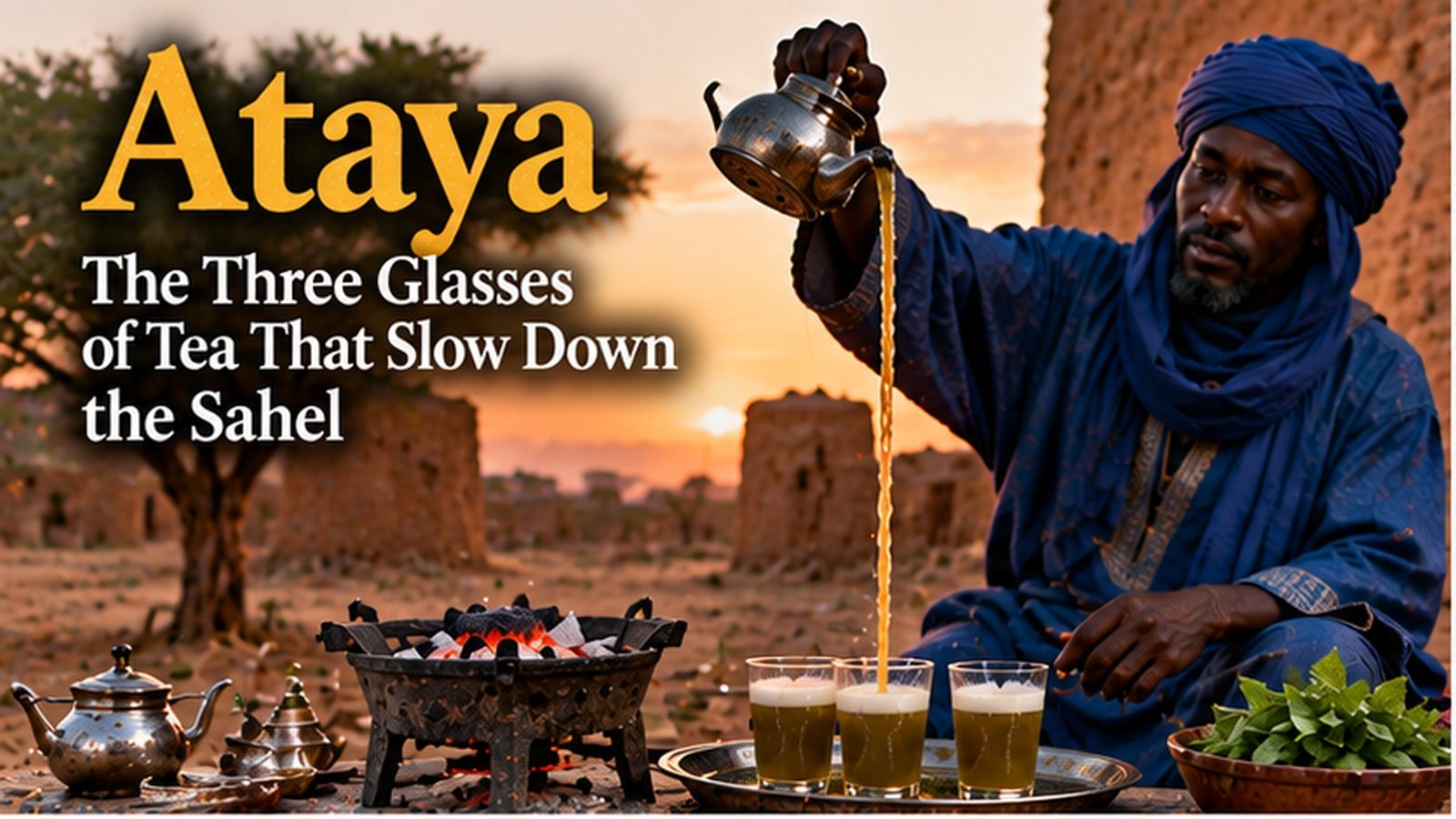
Ataya: The Three Glasses of Tea That Slow Down the Sahel
Brewed over charcoal, poured from a great height and served in three rounds, Sahelian green tea is less a drink than a ritual of conversation. Here is how ataya works.
Brewed over charcoal, poured from a great height and served in three rounds, Sahelian green tea is less a drink than a ritual of conversation. Here is how ataya works.
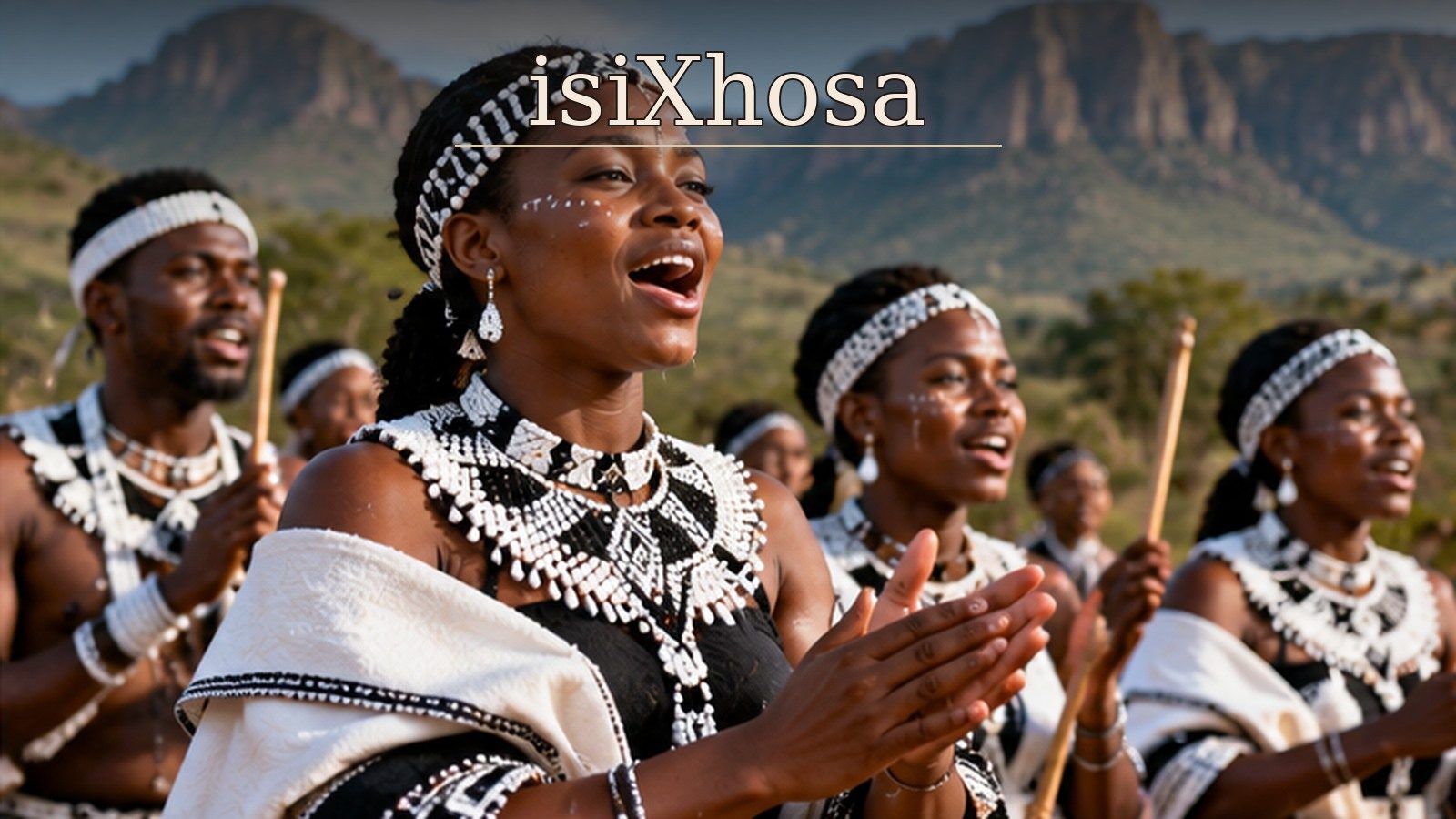
Spoken by millions in South Africa, isiXhosa is famous for its click consonants. Here is where the clicks come from, how they work, and the people who made the language famous.
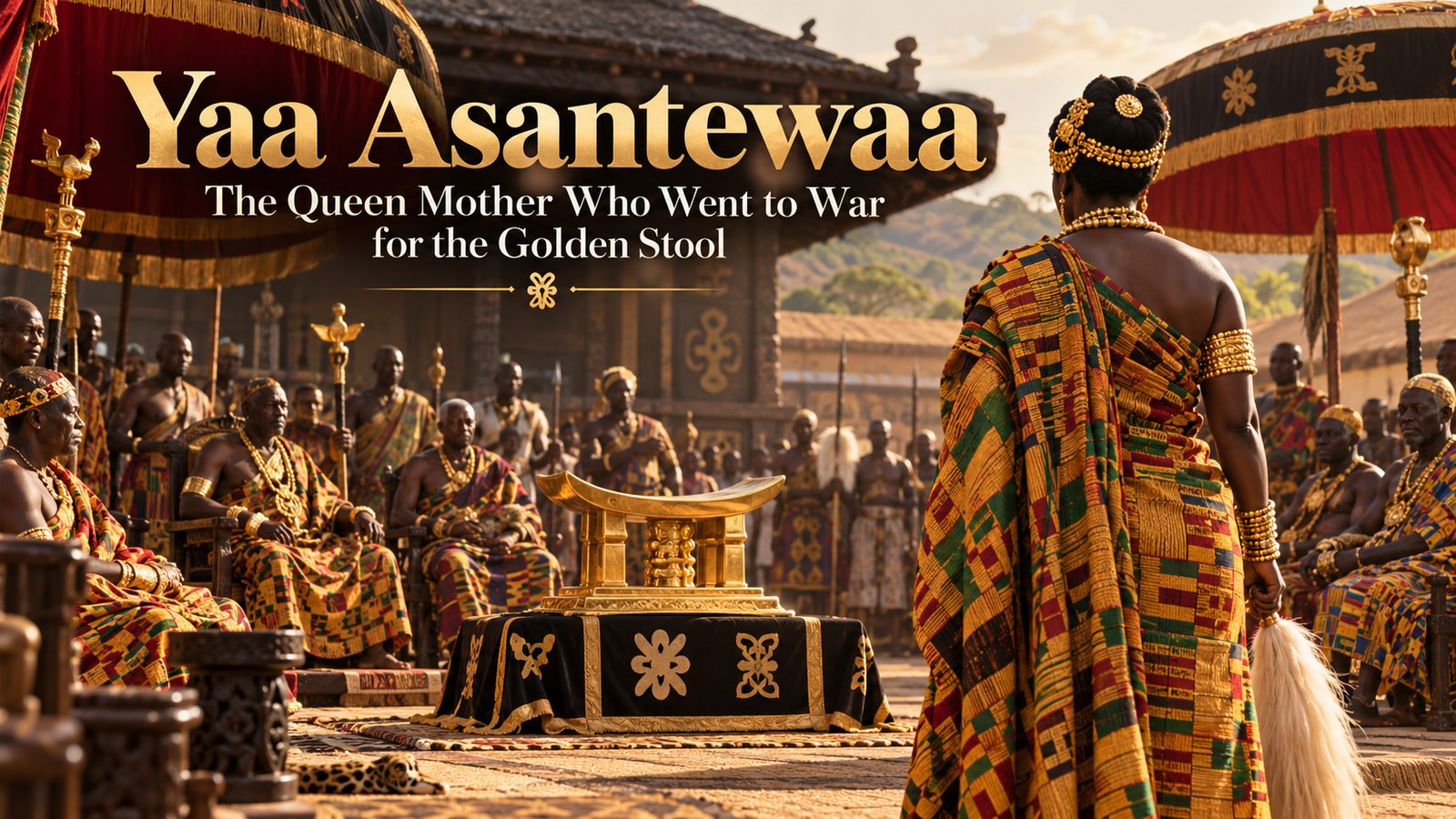
In 1900, when a British governor demanded to sit on the sacred Golden Stool of the Asante, a queen mother in her sixties rallied an army. For International Women's Day, her story.
Squeeze the cords of an hourglass-shaped dùndún drum and its pitch rises and falls like a voice. In a tonal language like Yoruba, that means the drum can actually talk.
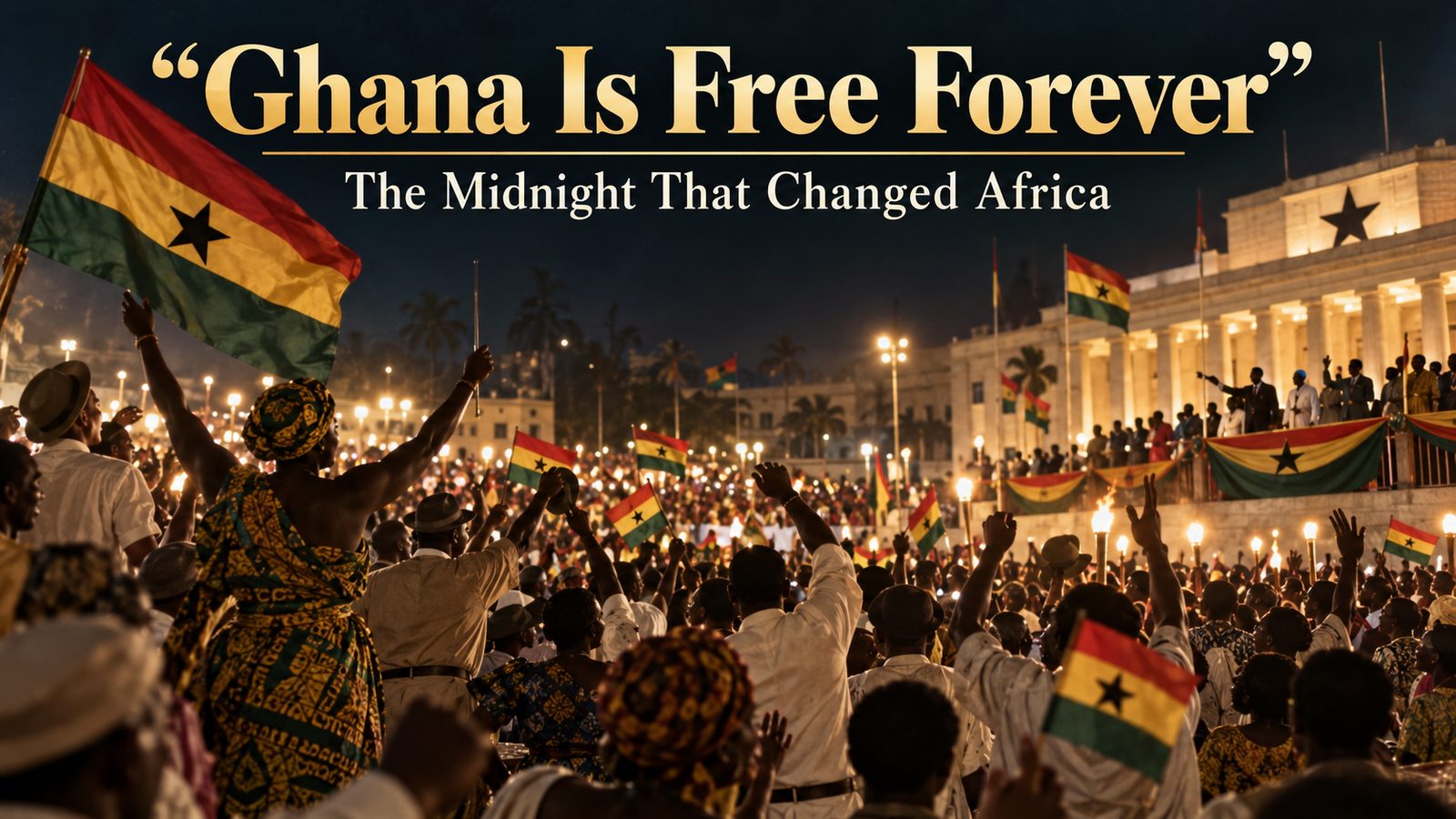
On 6 March 1957, Ghana became the first sub-Saharan African colony to win independence. Here is the story of that night, and why it inspired a continent.
A hollowed-out loaf of white bread filled with fiery curry, eaten with your hands: bunny chow is Durban's signature dish, and it carries a whole history of South Africa.
Mysterious minor melodies, vibraphone and horns: Ethio-jazz mixes Ethiopian modes with American jazz. Here is the story of the sound and the man who created it.
In the Congo, the Kuba peoples turn raffia palm fibre into embroidered "velvet" and patchwork skirts many metres long. Here is how it is made and what it meant.
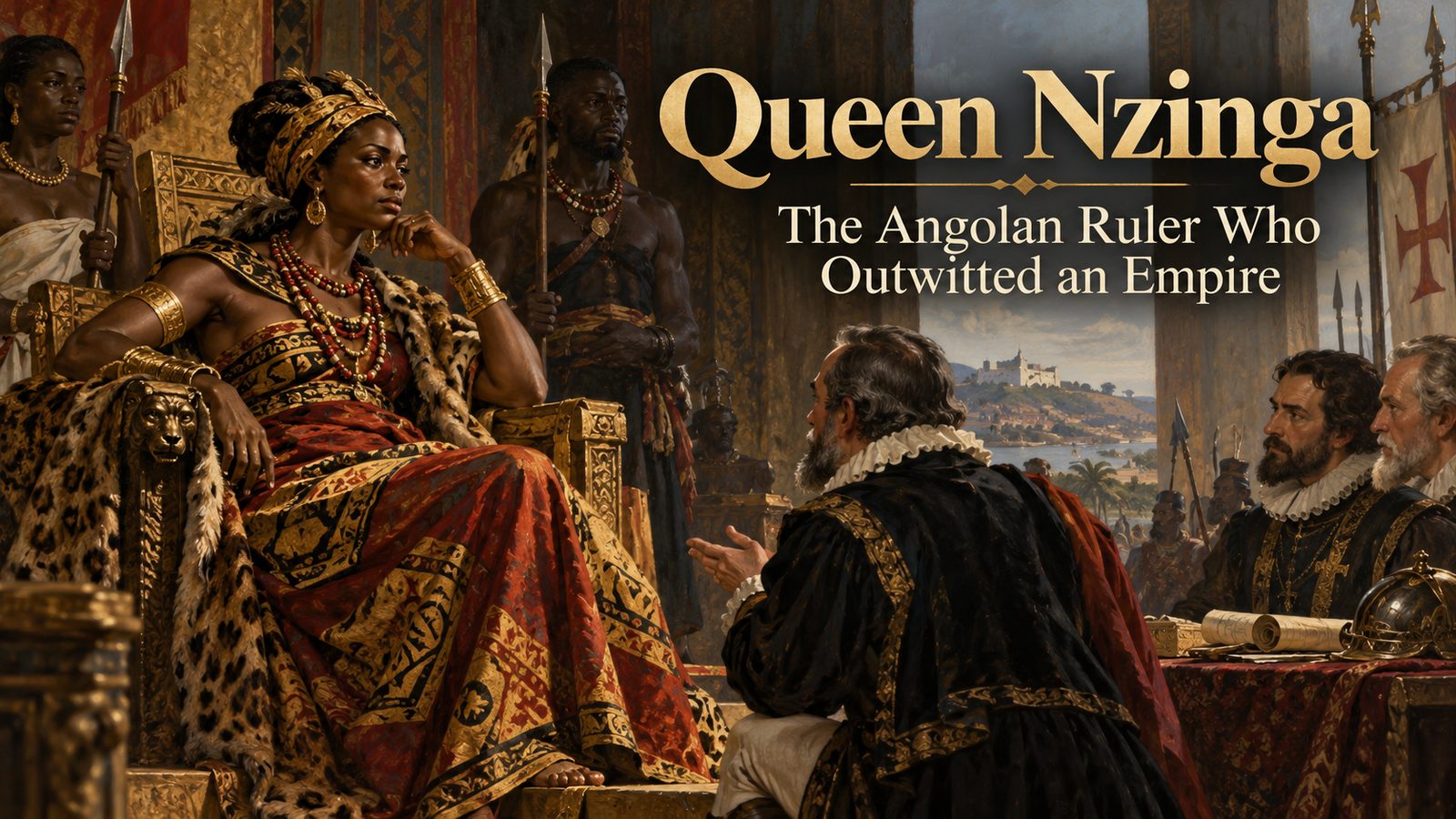
In the 17th century, Nzinga Mbande of Ndongo and Matamba resisted Portuguese expansion for decades through diplomacy, war and sheer audacity. Here is her story.
As Ramadan begins, Muslim communities from Cairo to Khartoum, Dakar to Zanzibar break their fast in their own ways. Here is a tour of the month's African traditions.
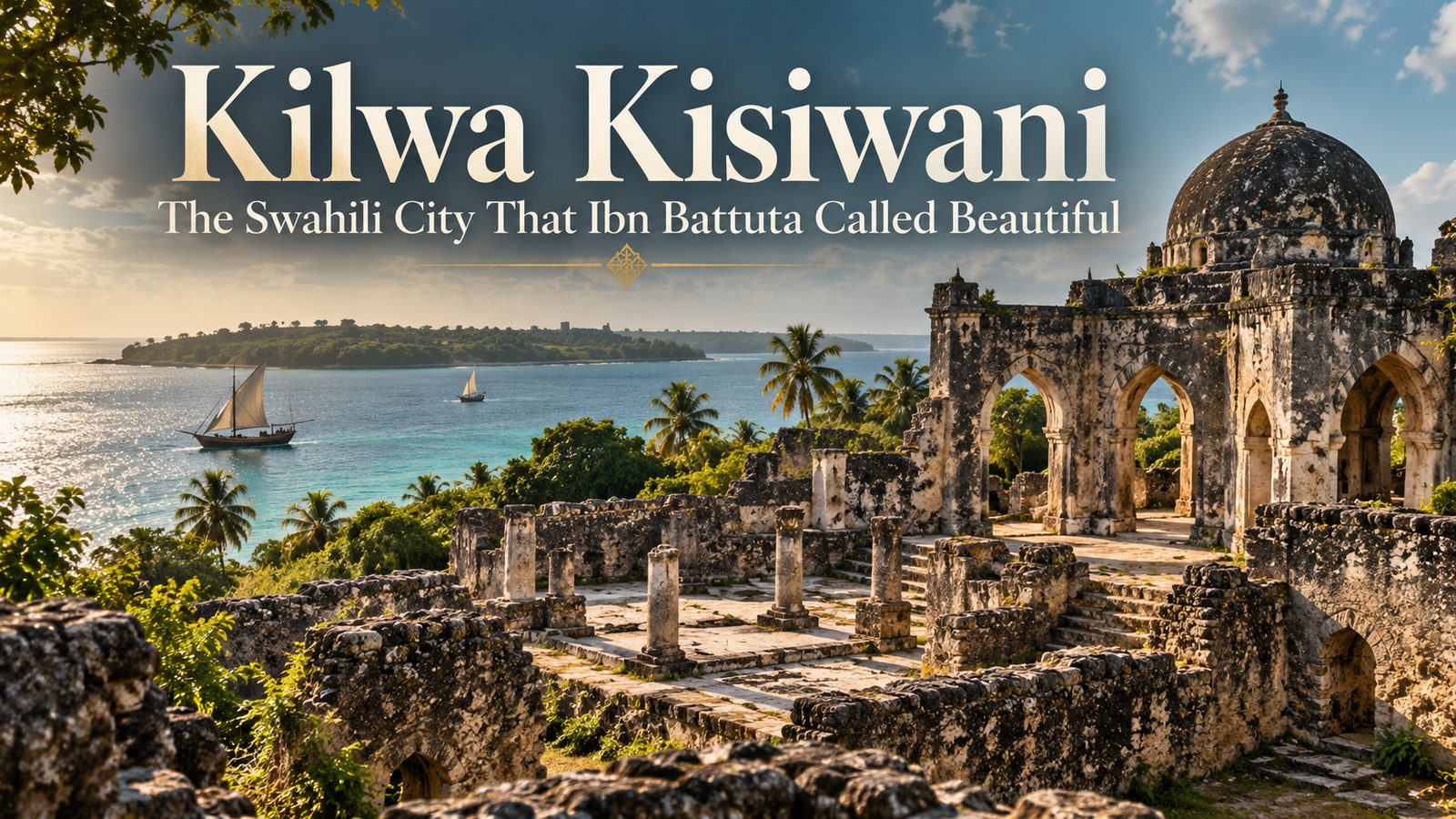
On a small island off Tanzania stand the ruins of a medieval city that minted its own coins and controlled the gold trade of East Africa. Here is the story of Kilwa.
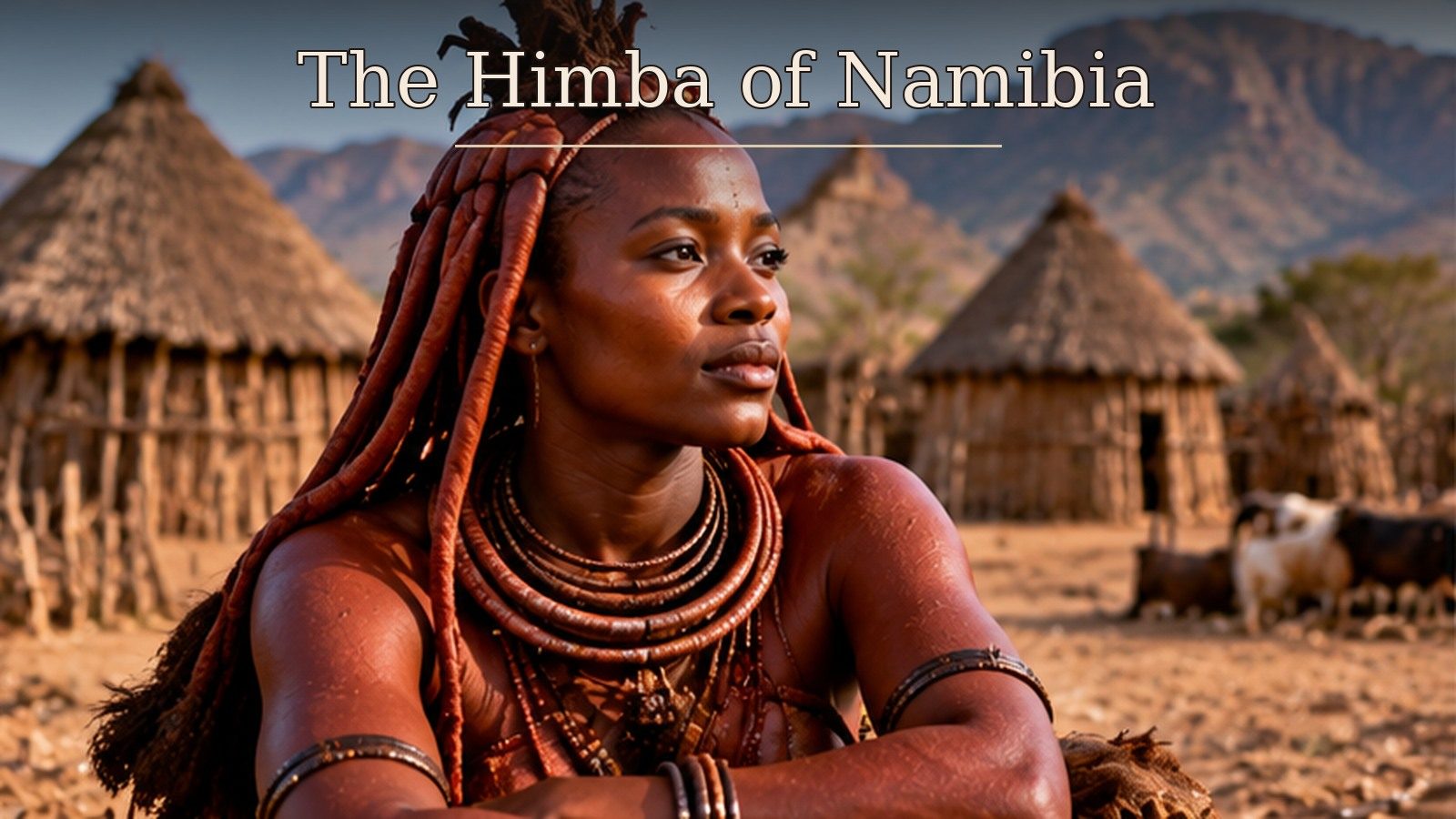
In Namibia's arid northwest, Himba women cover their skin and hair with a red paste called otjize. Here is the culture behind one of Africa's most photographed peoples.