Tabaski: Senegal's Festival of the Ram
This weekend, Muslims around the world celebrate Eid al-Adha. In Senegal and much of West Africa, it is called Tabaski, and a beautiful ram is the centre of every household.
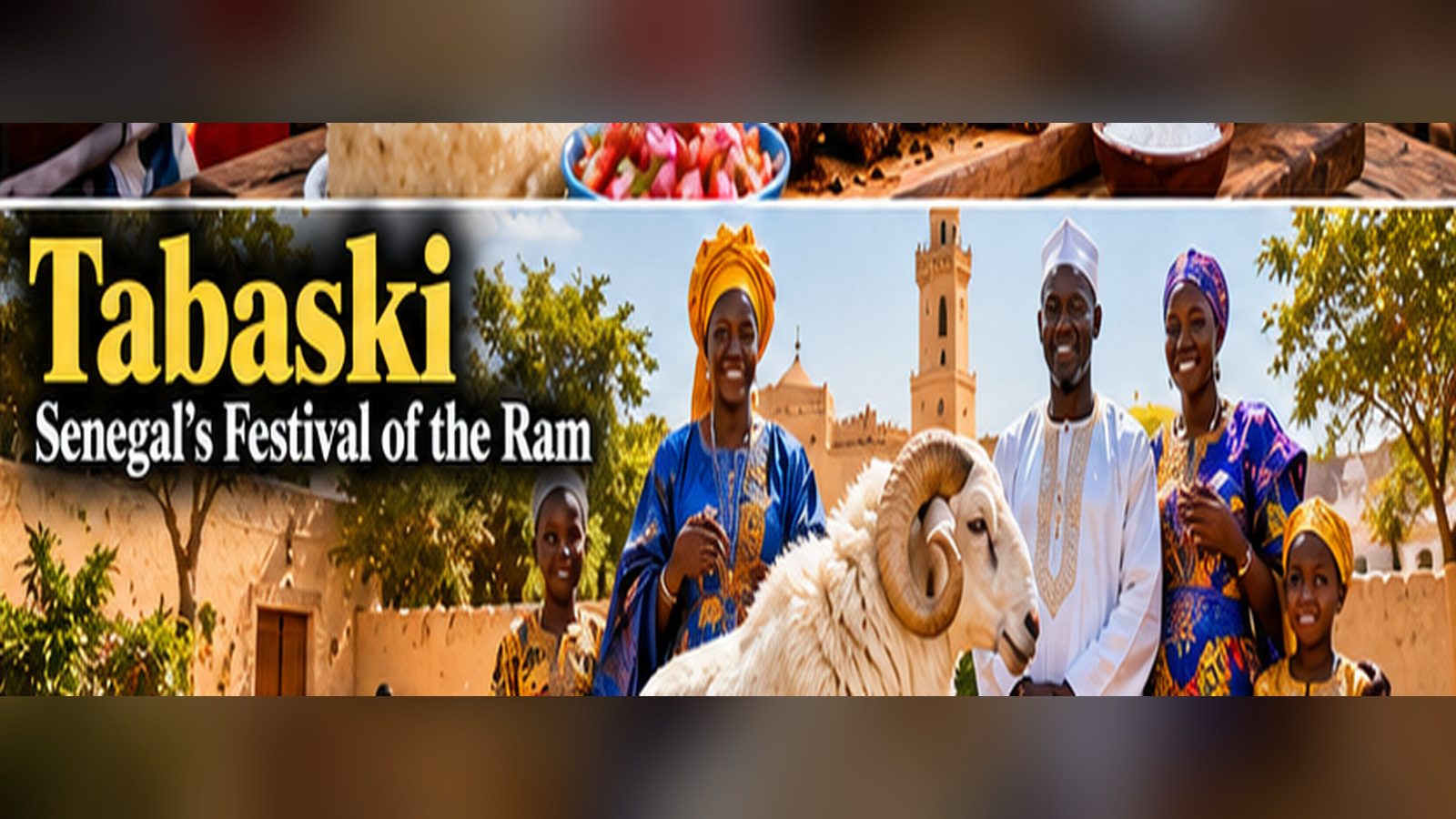
In the weeks before the festival, the streets of Dakar change. Herds of sheep appear on roadsides, in vacant lots, on rooftops and even in apartment courtyards. Buses and trucks arrive from the countryside and from neighbouring Mali and Mauritania loaded with animals. Families gather to inspect, haggle and argue over the perfect ram: tall, healthy, with fine horns. For many Senegalese families, it is the biggest purchase of the year. This is the season of Tabaski, the West African name for Eid al-Adha, which Muslims celebrate this weekend.
The festival of sacrifice
Eid al-Adha, the "Festival of Sacrifice," is one of the two great festivals of Islam. It commemorates the story, told in the Qur'an and the Bible, of the prophet Ibrahim (Abraham), who was willing to sacrifice his son in obedience to God, until God provided a ram to sacrifice instead. The festival falls during the season of the Hajj, the pilgrimage to Mecca, on the 10th day of the Islamic month of Dhu al-Hijjah.
On the day of Eid, Muslims who can afford it sacrifice an animal — a sheep, goat, cow or camel — and share the meat with family, neighbours and the poor.
In Senegal, Mali, Guinea, Côte d'Ivoire, Burkina Faso, Niger and other West African countries, the festival is called Tabaski. The name is often linked to older words used in the region, and it has become one of the most important days of the year, celebrated by Muslims and often joined in spirit by their Christian neighbours.
The ram
In Senegal, the ram is at the heart of Tabaski. Families take enormous pride in choosing a good one. Prices rise sharply in the weeks before the festival, and buying a ram can be a serious financial strain for many households. News reports often follow the market prices closely, and the government sometimes takes steps to ensure enough animals are available.
Senegal is also famous for the Ladoum, a breed of large, elegant rams bred for size and beauty. The finest Ladoum rams are pampered, groomed and even entered in beauty contests, and the best can sell for extraordinary sums. For their owners, they are a matter of great prestige.
The day of Tabaski
On the morning of Tabaski:
- Prayer. Families dress in new or best clothes — often elaborate boubous and outfits made especially for the occasion — and men go to the mosque or open-air prayer grounds for the special Eid prayer.
- Sacrifice. After prayers, the head of the household, or someone on his behalf, sacrifices the ram according to Islamic rules.
- Cooking. The meat is prepared in many ways — grilled, fried, in stews. In Senegal, a classic dish is grilled or fried lamb with an onion and mustard sauce, served with bread or fries.
- Sharing. A portion of the meat is given to the poor and to neighbours, and families share meals together.
- Visiting and forgiveness. People visit relatives and friends, and it is customary to ask for and offer forgiveness for any wrongs of the past year — often with the Wolof phrase "Baal ma aq" ("forgive me my wrongs").
A national homecoming
Like Christmas in some countries, Tabaski is a great homecoming. Many Senegalese living in Dakar travel back to their home towns and villages, causing huge traffic as roads and buses fill up. Migrants abroad send money home to help families buy rams.
The spirit of Tabaski — sharing food, welcoming guests, forgiving one another — expresses Senegal's famous culture of hospitality, teranga.
Why it matters
Tabaski is a festival of faith, family and generosity. It turns the story of Ibrahim's devotion into a day when no household should go without meat, when families gather from far away, and when people ask one another's forgiveness. In Senegal, the bleating of rams in the city is the sound that tells everyone: the feast is coming.
Further reading
- Al Jazeera — Eid al-Adha coverage
- Leonardo A. Villalón, Islamic Society and State Power in Senegal (Cambridge University Press, 1995)
- BBC News Afrique — Tabaski au Sénégal