FESPACO: Africa's Biggest Film Festival and the Golden Stallion
Since 1969, filmmakers from across Africa and its diaspora have gathered in Ouagadougou, Burkina Faso, for FESPACO. Its 29th edition opens this month.
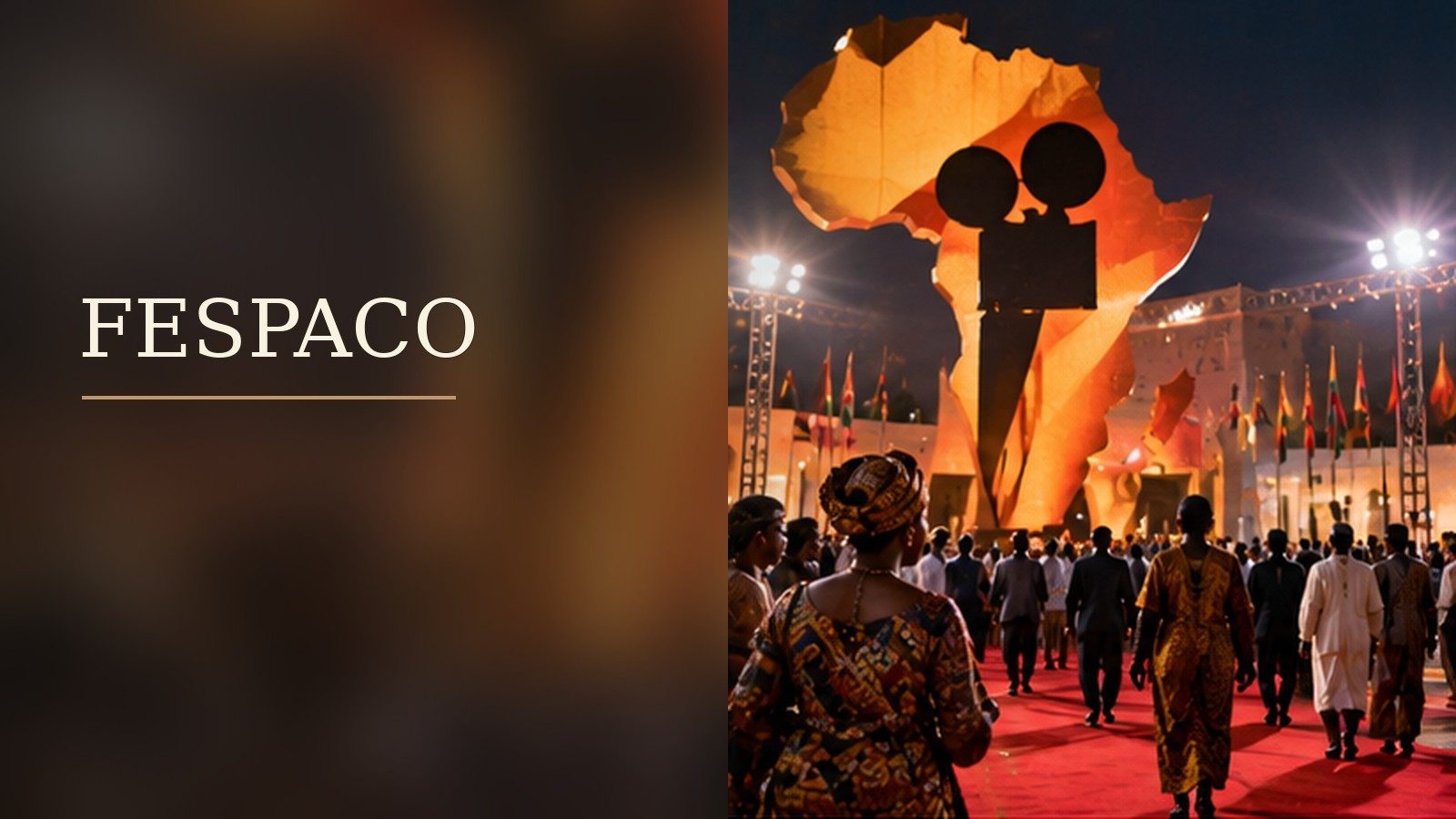
Every two years, the capital of one of the world's poorest countries becomes the capital of African cinema. Filmmakers, actors, critics and fans pour into Ouagadougou, Burkina Faso. Screens go up in cinemas, hotels and open-air courtyards. Crowds pack the stadium for the opening ceremony. For a week, the city lives and breathes film. This is FESPACO — the Pan-African Film and Television Festival of Ouagadougou — and it is the largest and oldest festival of its kind.
How it began
FESPACO started modestly in February 1969, as a "Week of African Cinema" organised by a group of film enthusiasts in what was then the Republic of Upper Volta. Only a handful of countries and films took part. But the timing was right. The 1960s were the decade of African independence, and a generation of filmmakers wanted to tell African stories through African eyes, after decades in which the continent had been filmed mainly by outsiders.
The festival grew quickly, gained government support and became a permanent institution. It is now held every two years (in odd-numbered years), usually in late February or early March. The 29th edition is scheduled for 22 February to 1 March 2025.
The Golden Stallion of Yennenga
FESPACO's top prize is the Étalon d'or de Yennenga — the Golden Stallion of Yennenga. The trophy shows a warrior princess on a rearing horse. It honours Yennenga, a legendary princess celebrated by the Mossi, Burkina Faso's largest ethnic group, as the mother of their people. According to the story, she was a skilled horsewoman and warrior who rode away from her father's kingdom and founded a new dynasty. Her image — strong, independent and on horseback — has become a symbol of Burkina Faso itself.
Winning the Golden Stallion is the highest honour in African cinema, and past winners include some of the continent's most celebrated directors.
Politics and purpose
From the beginning, FESPACO has been about more than glamour. It grew alongside a movement of filmmakers — such as Senegal's Ousmane Sembène, often called the father of African cinema — who saw film as a tool for education, political awareness and cultural pride. In 1969, the same year FESPACO began, filmmakers founded the Pan-African Federation of Filmmakers (FEPACI), which has campaigned for African control over the production and distribution of African films.
The festival has also been shaped by Burkina Faso's own history. Under the revolutionary president Thomas Sankara in the 1980s, FESPACO received strong state support and became a showcase for the country's ambitions. Despite coups, economic hardship and, in recent years, serious security challenges in the Sahel, the festival has continued to be held.
Inside the festival
A typical FESPACO includes:
- Competitions for feature films, documentaries, short films, television series, animation and films by the diaspora.
- Screenings across Ouagadougou, many open to the public at low prices.
- MICA, the African film and television market, where producers and distributors meet.
- Workshops, debates and tributes, often focusing on a guest country or theme.
- The Avenue of Filmmakers, where monuments honour great directors.
The festival's popular side is important: ordinary Burkinabè fill the cinemas, and seeing local audiences react to African films is part of the experience.
The changing world of African film
Since FESPACO began, African film has changed enormously. Nigeria's Nollywood became one of the most prolific film industries in the world, producing low-budget video films that reached audiences across the continent. Streaming platforms now commission African series and films. FESPACO has adapted, adding categories for television and digital work, while still championing the auteur cinema it was built on.
Storytelling has always had a central place in African cultures — from griots and their kora to the folk tales told at night. FESPACO carries that tradition onto the big screen.
Why it matters
FESPACO is proof that a small country can host a huge idea: that Africa should tell its own stories and see itself on screen. For more than half a century, it has given filmmakers a stage, audiences a mirror, and African cinema a home.
Further reading
- FESPACO — About the festival
- Project MUSE — FESPACO Film Festival
- Manthia Diawara, African Cinema: Politics and Culture (Indiana University Press, 1992)