Ideas & Philosophy
Oware: Africa's Game of Seeds, Strategy and Mathematics
Two rows of pits, 48 seeds and a lot of counting. Oware, Ghana's favourite board game, belongs to a family of "sowing games" played across Africa.
Two rows of pits, 48 seeds and a lot of counting. Oware, Ghana's favourite board game, belongs to a family of "sowing games" played across Africa.
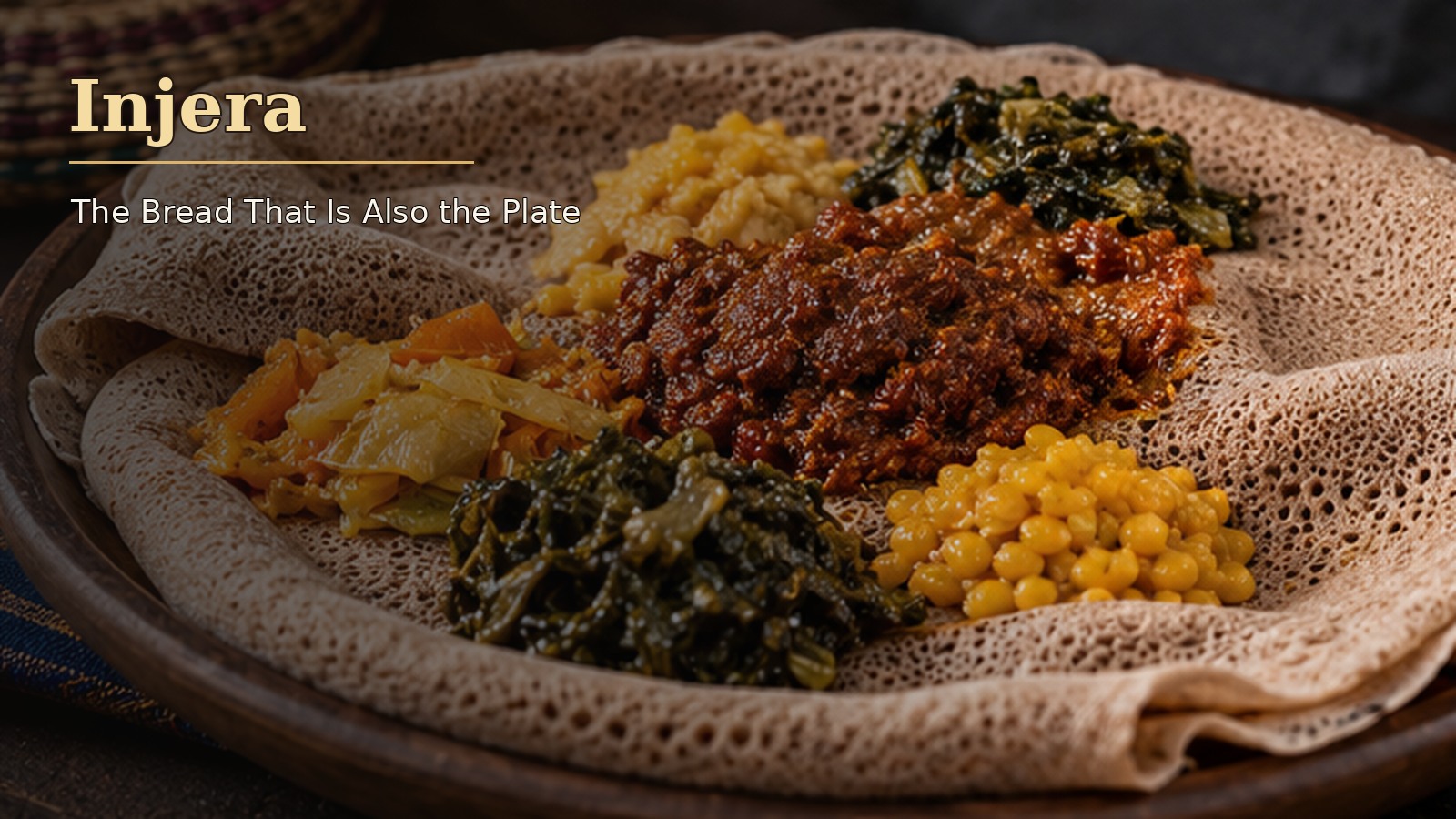
Spongy, sour and full of tiny holes, Ethiopia's injera is made from teff, one of the world's smallest grains. Here is how it is made and how to eat it properly.
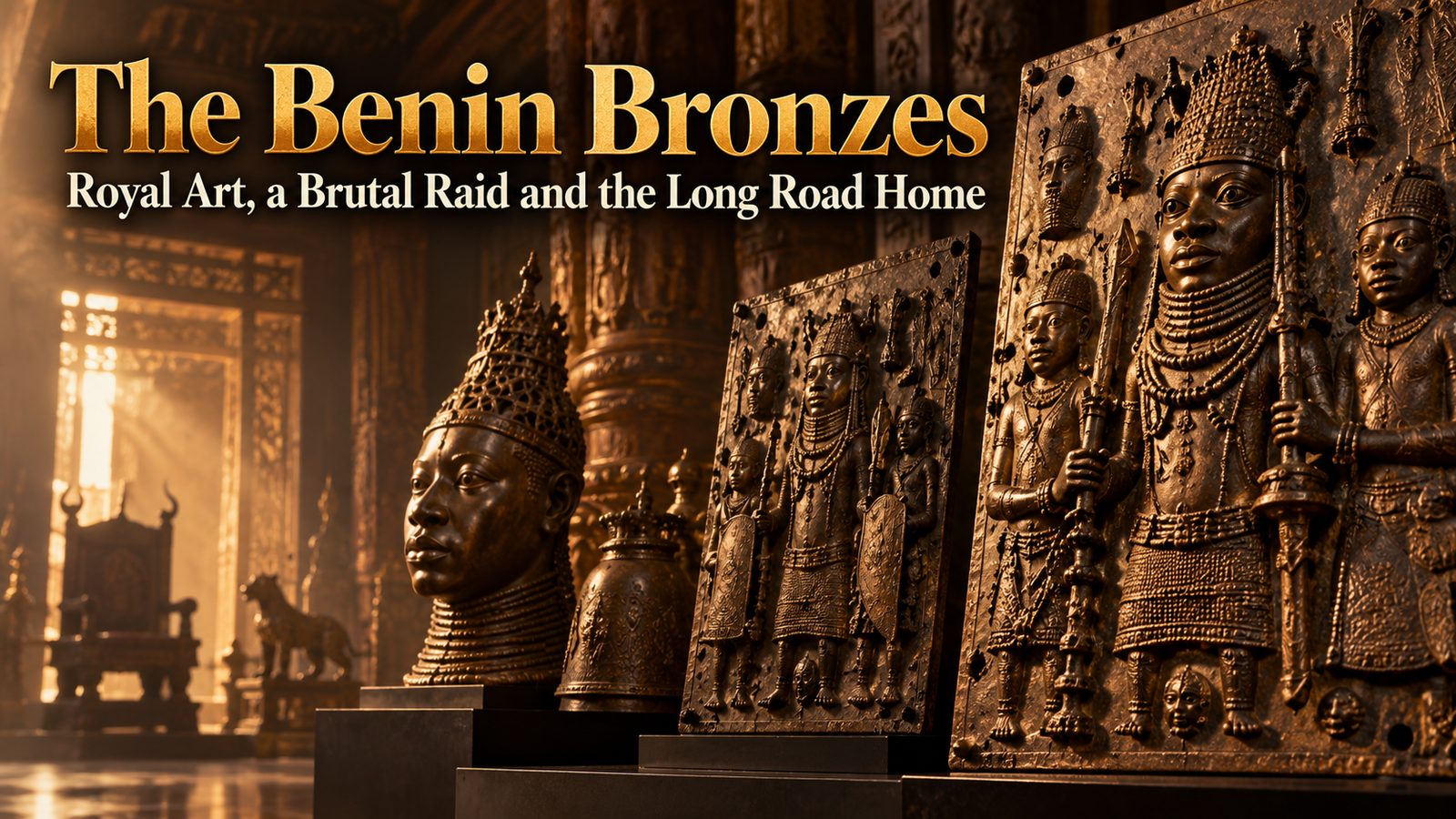
The Benin Bronzes recorded the history of a West African kingdom in metal. In 1897, British troops looted thousands of them. Here is their story.
The bold geometric murals of South Africa's Ndebele women began on homestead walls and ended up on a BMW. Here is the story, and the woman who carried it worldwide.
Born in Ghana's dance halls and palm-wine bars, highlife became the soundtrack of West African independence. Here is how it began and who made it famous.
Around 800 years ago, Ethiopians carved eleven churches downward out of solid volcanic rock at Lalibela. They are still used for worship today.
In Zanzibar and Lamu, a house's front door was its proudest possession. Here is how to read the carved doors of East Africa's Swahili coast.
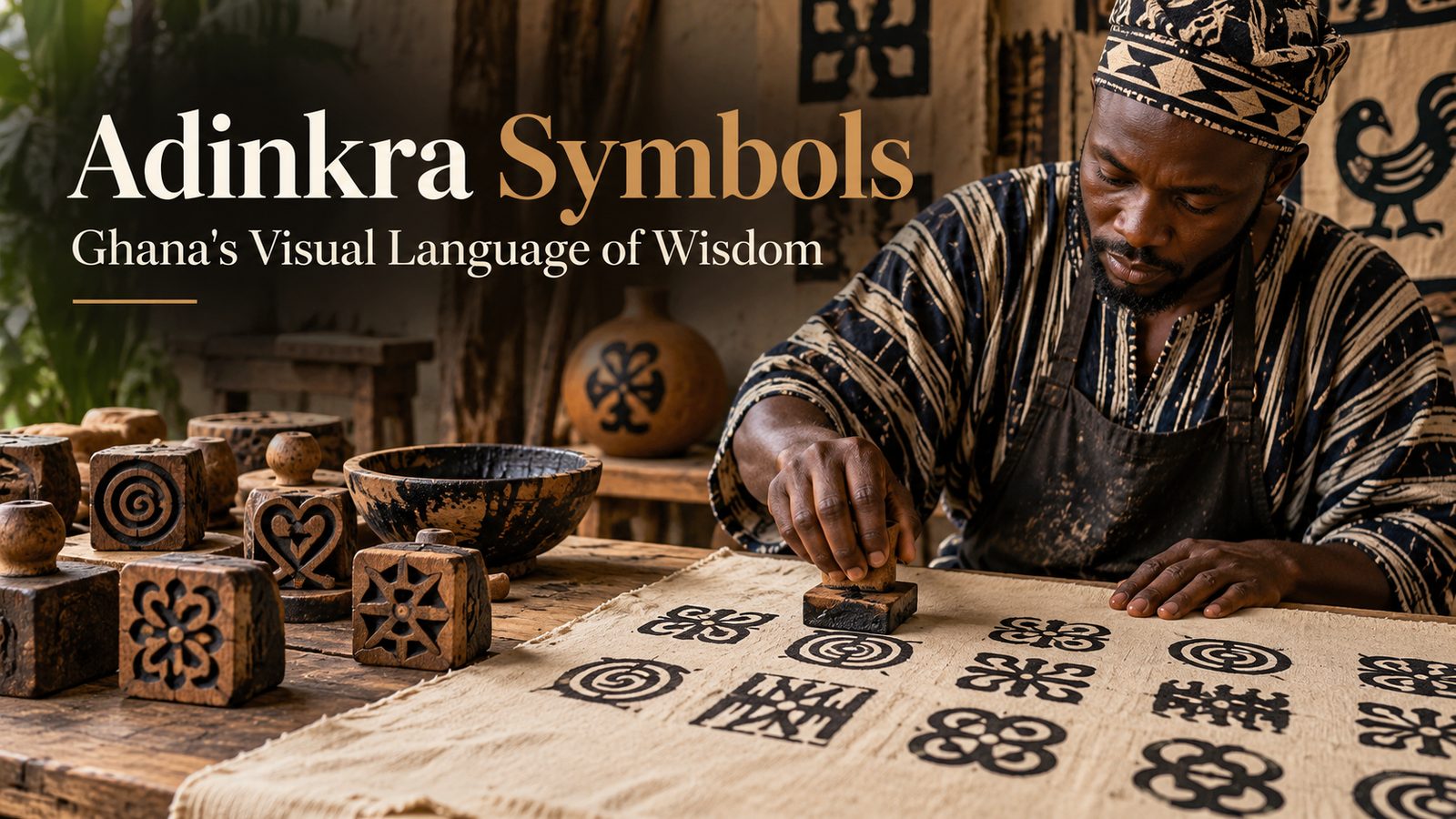
Gye Nyame, Sankofa, Dwennimmen — Ghana's adinkra symbols pack whole proverbs into simple shapes. Here is where they come from and what they mean.
Every year, the Ga people of Accra "hoot at hunger" with a month of silence, a feast of kpokpoi and joyful celebration. Here is the story behind Homowo.
Every January, Amazigh communities from Morocco to Egypt's Siwa Oasis welcome a new year counted from 950 BCE. Here is the story, the food and the meaning of Yennayer.
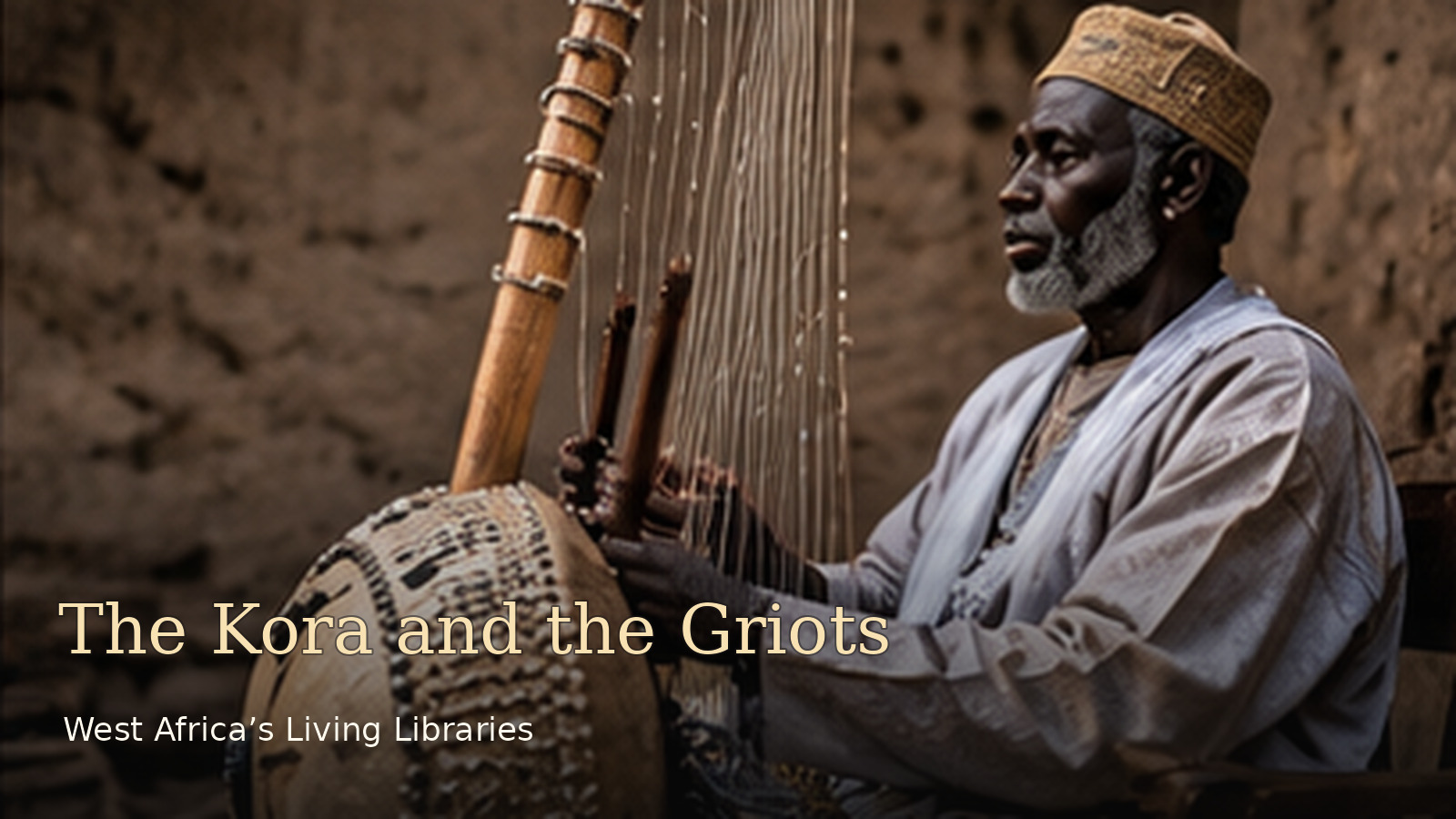
With 21 strings and a body made from a giant calabash, the kora carries centuries of West African history, sung by hereditary musicians called jeli or griots.
Mali's mud cloth is painted with fermented river mud and leaves. Long before it reached fashion runways, it protected hunters and new mothers.