Arts & Craft
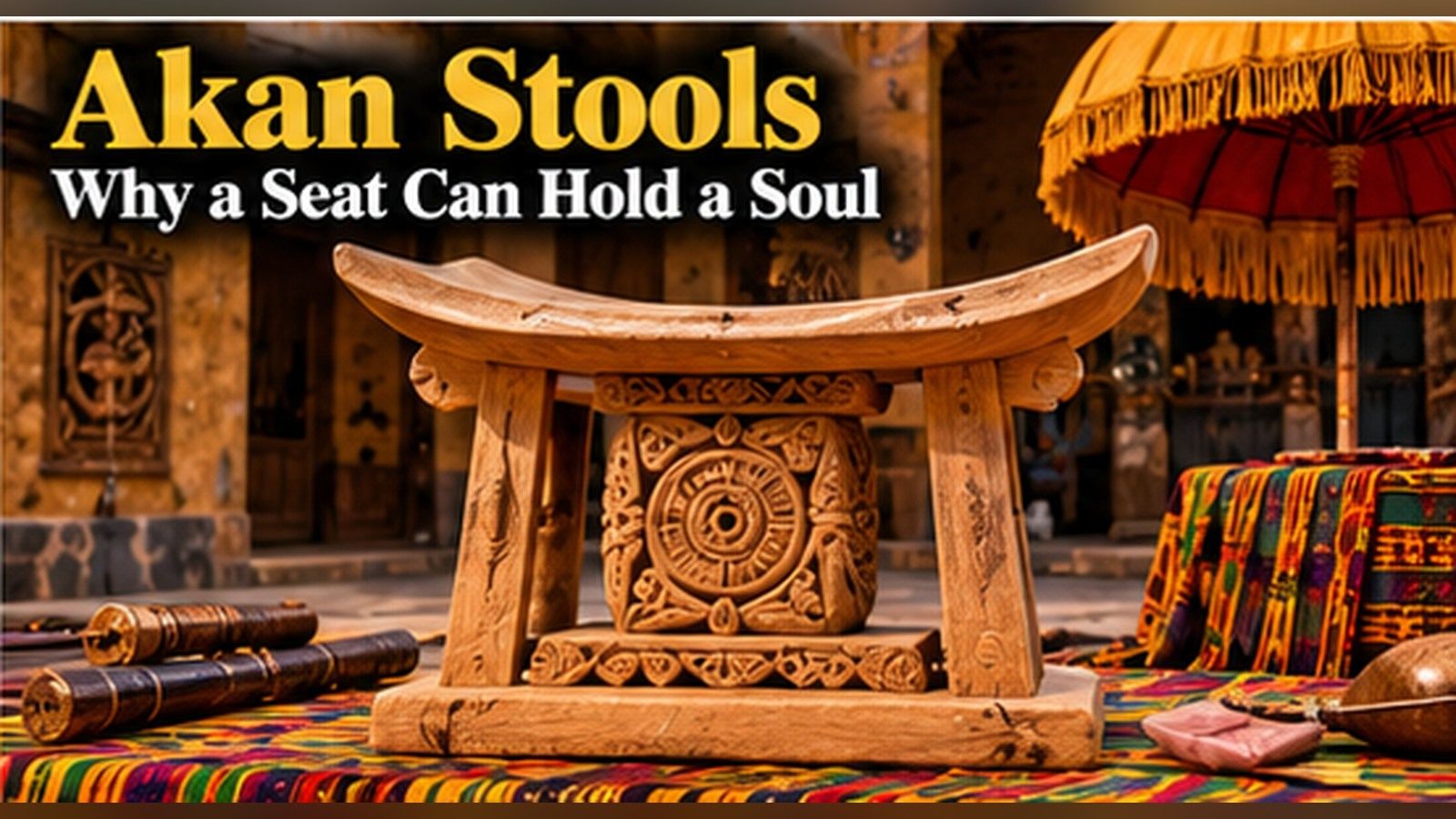
Akan Stools: Why a Seat Can Hold a Soul
Among the Akan of Ghana, a carved wooden stool is far more than furniture. It holds the spirit of its owner, and blackened ancestral stools are the heart of royal power.
Among the Akan of Ghana, a carved wooden stool is far more than furniture. It holds the spirit of its owner, and blackened ancestral stools are the heart of royal power.
In Morocco's ancient city of Fes, a festival founded in 1994 brings together Sufi singers, Christian choirs, Jewish cantors, Indian musicians and more. Its new edition begins this month.
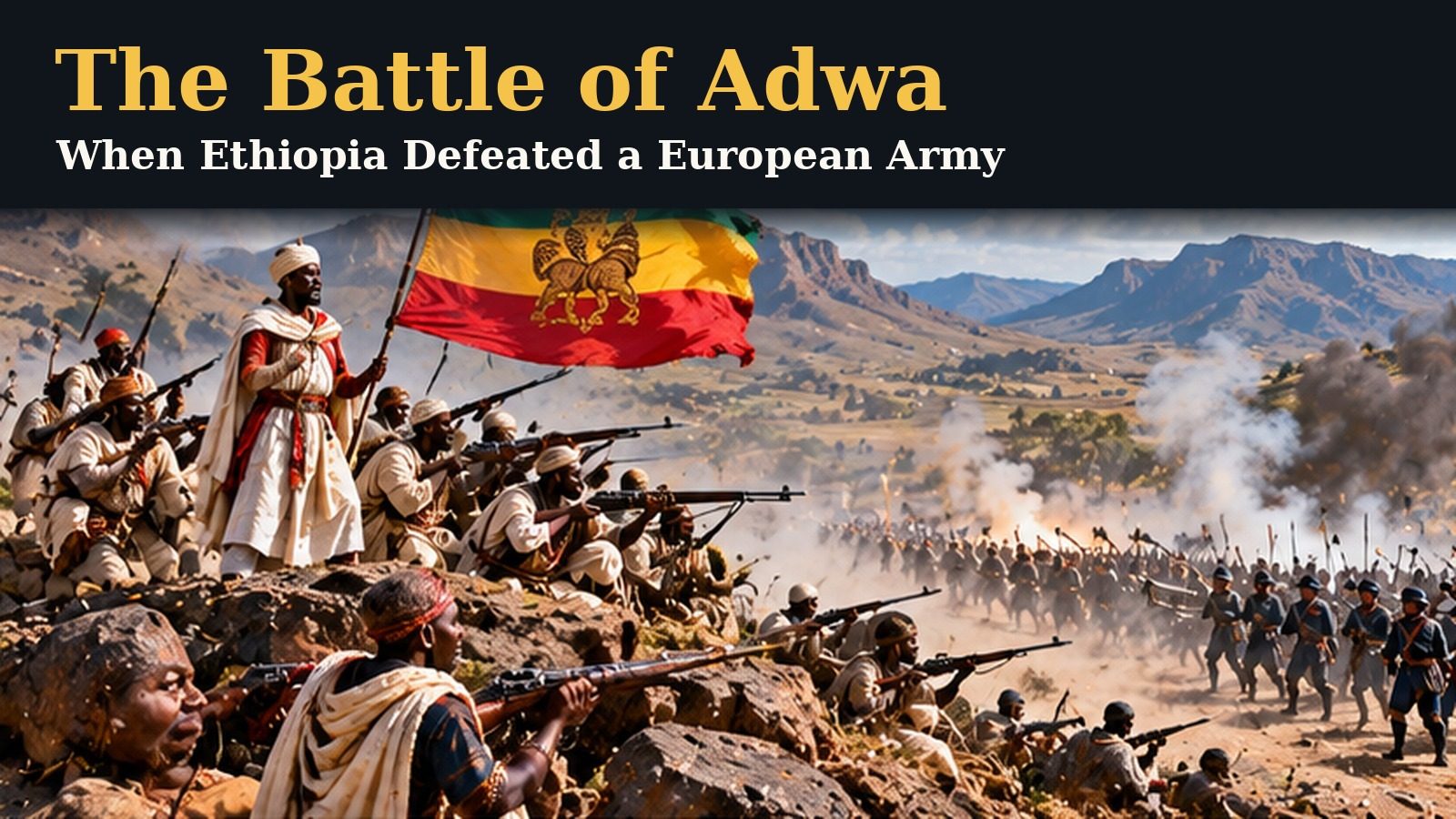
On 1 March 1896, Ethiopian forces under Emperor Menelik II routed an invading Italian army at Adwa. The victory secured Ethiopia's independence and inspired Africans everywhere.
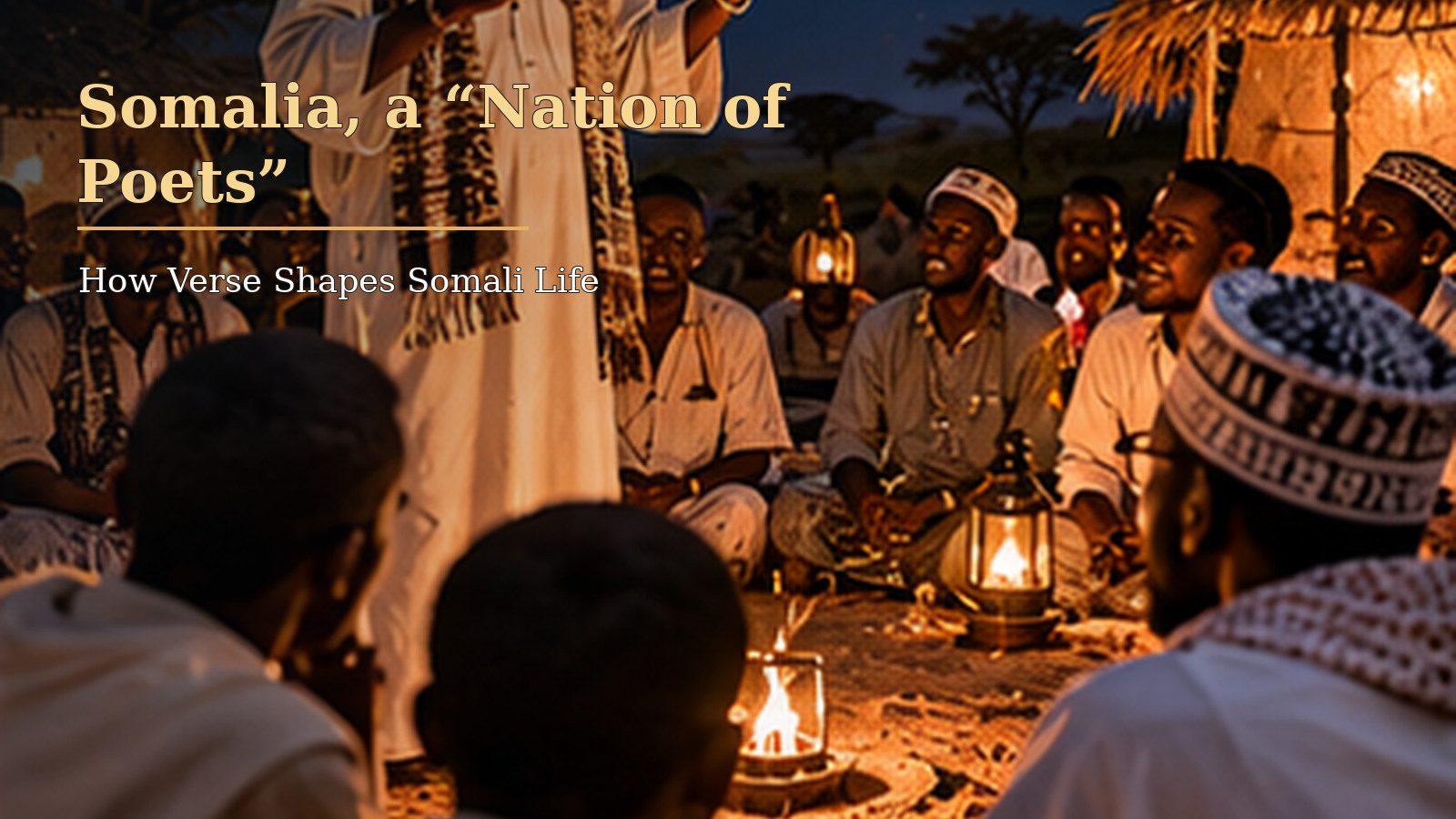
In Somali culture, poetry has been used to court lovers, settle feuds, praise camels, start wars and make peace. Here is why Somalis are often called a nation of poets.
Born among Africans in the diaspora and carried home by independence leaders, Pan-Africanism argued that people of African descent must unite to be free. Here is its story.
Simmered overnight, mashed with oil, lemon and cumin, and scooped up with flatbread, ful medames is the everyday breakfast of millions of Egyptians and Sudanese.
From the lively semba of 1950s Luanda to the slow, close embrace of kizomba, Angola's music and dance have spread from local parties to salsa clubs around the world.
Among the Bamana of Mali, carved antelope headdresses honour Chiwara, a mythical being who taught people to farm. They are among the most admired sculptures in African art.
Tomorrow, two rival warrior companies in Winneba, Ghana, will race into the bush armed only with sticks to catch a live antelope for their god. Here is the story of Aboakyer.
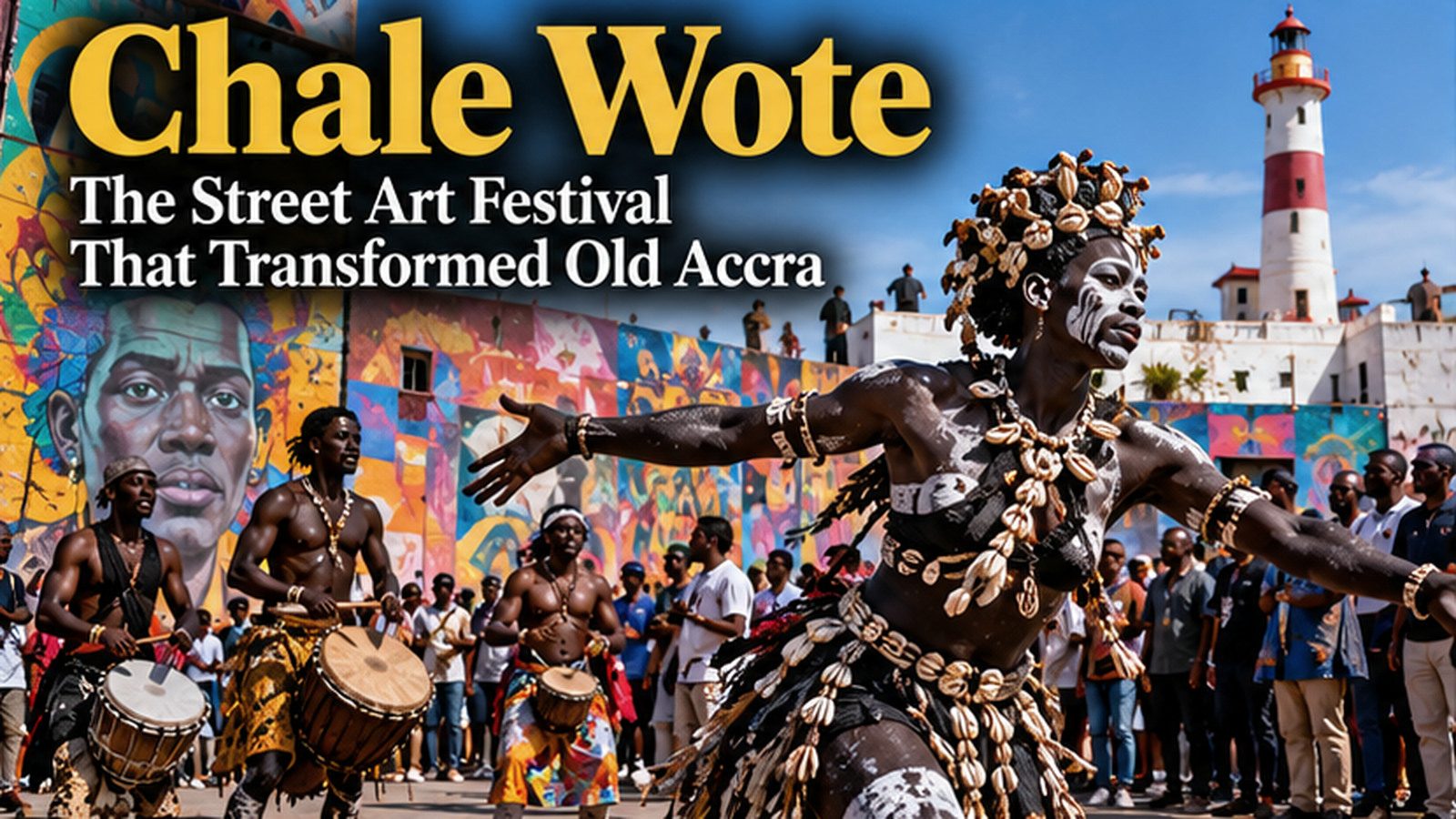
Every year, murals, performances, music and fashion take over the streets of Jamestown, one of Accra's oldest neighbourhoods. Here is the story of the Chale Wote Street Art Festival.
Not to be confused with Fela's Afrobeat, Afrobeats is the 21st-century pop sound of Nigeria and Ghana. Here is how it grew, and how it went global.
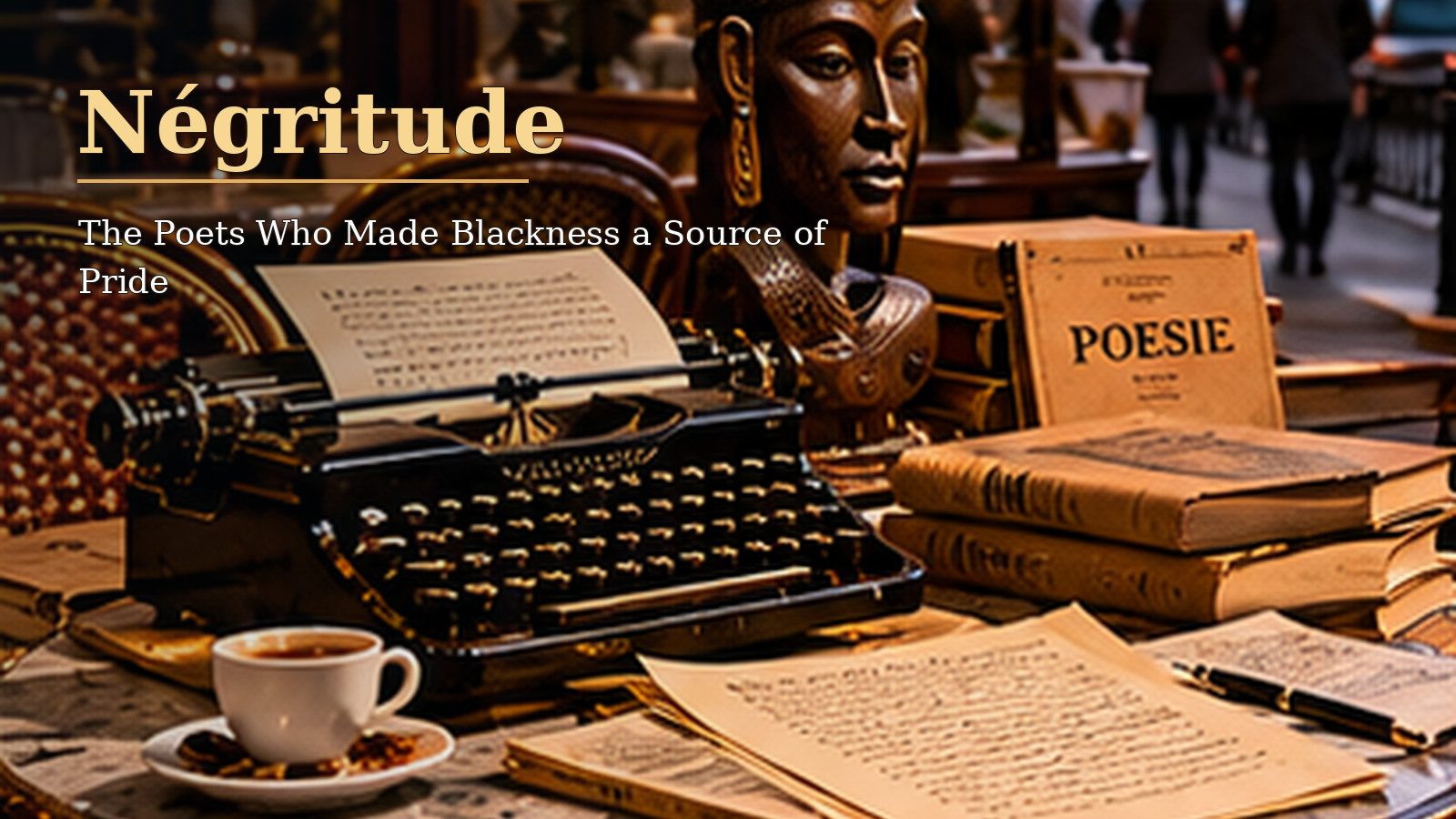
In 1930s Paris, three Black students from Africa and the Caribbean launched a literary movement that celebrated African heritage. One of them became Senegal's first president.