Seydou Keïta and Malick Sidibé: The Photographers Who Captured Mali in Style
In the studios of Bamako, two photographers created portraits of confidence, fashion and joy that are now celebrated as masterpieces of 20th-century photography.

High in Morocco's Atlas Mountains, an annual gathering of the Aït Haddidou people has become famous for weddings, and for a legend of two lovers whose tears formed two lakes.
In 1938, a man digging a water cistern in eastern Nigeria found bronze objects of incredible detail. They turned out to be more than a thousand years old, and among the finest metalwork of their time.
Spoken by tens of millions in southeastern Nigeria, Igbo is rich in proverbs and tones, and has a growing literature. Its speakers are working hard to keep it strong for the next generation.
In the 1970s, a young medical student named Steve Biko argued that Black South Africans must first free their minds. He was killed in police custody at 30, but his ideas endured.
In Kenya, a weekend plan often starts with two words: nyama choma. Goat or beef, slow-roasted over charcoal, shared on a wooden board with ugali and kachumbari.
Auto-tuned vocals, pounding electronic beats and lyrics from the alleys: mahraganat began at weddings in Cairo's working-class districts and became Egypt's most controversial pop.
Igbo women once painted delicate, curving designs on skin and walls with a dark plant dye called uli. In the 1970s, Nigerian artists turned it into a modern art movement.
No new yams may be eaten until the community has given thanks. Among the Igbo of Nigeria, the New Yam Festival honours the king of crops, the earth and the ancestors.
When Portuguese ships arrived in 1483, Kongo was a powerful Central African kingdom. Its kings converted to Christianity and wrote letters protesting the slave trade. Here is its story.
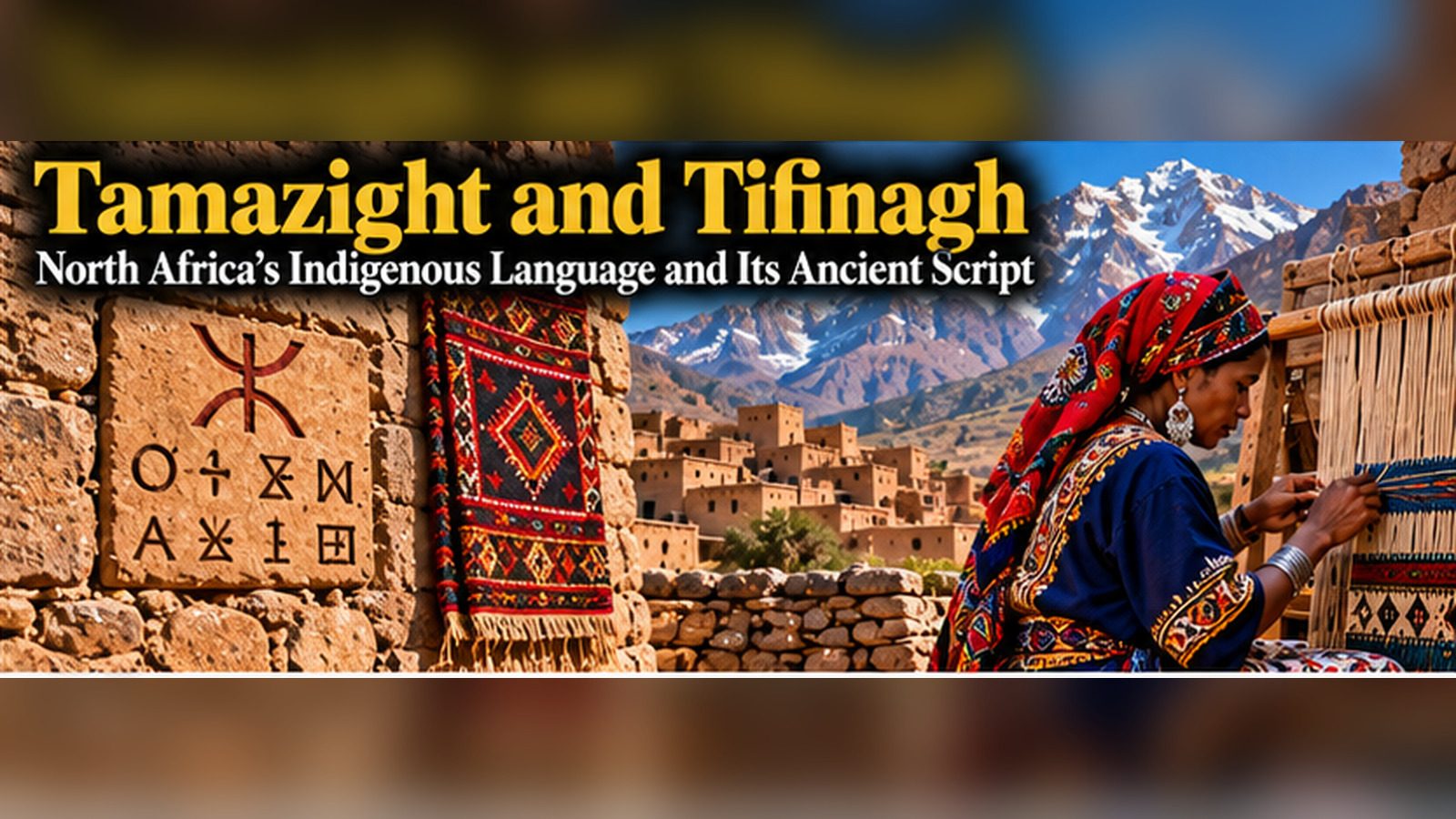
Long before Arabic and French, North Africa spoke Amazigh languages and wrote in Tifinagh. After decades of struggle, both are now official in Morocco and Algeria.
For centuries, Somali communities have settled disputes, compensated victims and kept peace through xeer, a body of customary law administered by elders. Here is how it works.